What Is Rayon Viscose Reactive Printed Fabric?
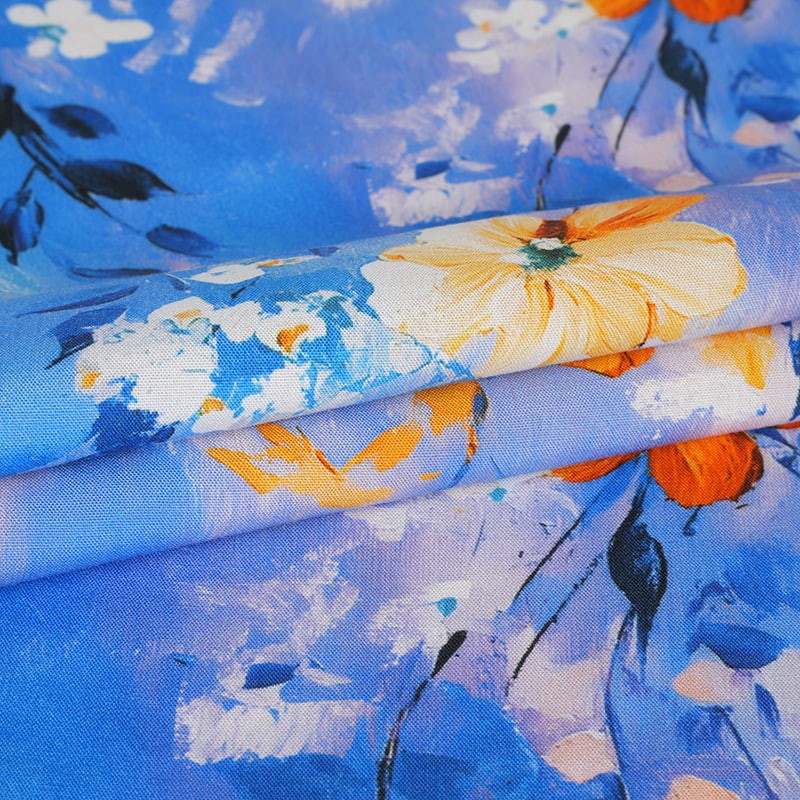
Rayon Viscose Reactive Printed Fabric stands at the intersection of natural comfort and advanced chemical engineering. At its heart, the material is derived from wood pulp, a cellulose-based fiber that undergoes a complex transformation to become viscose—a textile celebrated for its silk-like drape, exceptional breathability, and soft, cool touch against the skin. Unlike synthetic alternatives, this fabric breathes with the wearer, making it a staple for high-end fashion and quality home textiles.
What truly elevates this material is the reactive printing process employed by ShaoxingRuiyin Textile Co., Ltd. Unlike surface-level pigment printing, where color sits on top of the fibers like a coat of paint, reactive printing involves a chemical bond. During this process, dye molecules penetrate and react directly with the cellulose molecules of the viscose fibers. This creates a permanent linkage that results in vibrant, deep colors that essentially become part of the fabric itself rather than a mere coating.
ShaoxingRuiyin Textile Co., Ltd. utilizes this precision-driven technology to ensure that the fabric retains its signature soft handfeel—a quality that is often compromised when using cruder printing methods. By integrating our R&D capabilities with state-of-the-art fixation lines, we ensure that the aesthetic potential of the design is matched only by the physical performance of the fabric, providing a foundation that is as luxurious to touch as it is visually striking.
Performance Comparison: Printing Technologies on Viscose
To better understand why reactive printing is the industry benchmark for high-quality viscose, consider the following technical comparison:
| Feature |
Reactive Printing |
Pigment Printing |
| Color Bonding |
Chemical bond with fiber |
Surface resin adhesion |
| Handfeel |
Extremely soft and natural |
Can feel stiff or rubbery |
| Color Fastness |
High (Washing/Rubbing) |
Moderate to Low |
| Color Vibrancy |
Deep, saturated, uniform |
Can appear flat or muted |
| Wash Durability |
Excellent |
Prone to fading over time |
As shown in this comparison, reactive printing is the superior choice for applications where long-term quality, color depth, and fabric handfeel are non-negotiable.
Why Global Clients Choose Rayon Viscose Reactive Printed Fabric
The decision to utilize Rayon Viscose Reactive Printed Fabric is often driven by the need for superior color longevity. In the world of high-fashion garment manufacturing, color bleeding or premature fading is a significant concern. Because our reactive dyes bond at a molecular level, the colors remain sharp and true even after repeated industrial and consumer washing cycles. This durability is a hallmark of the premium solutions we provide at ShaoxingRuiyin Textile Co., Ltd., where we understand that a garment's longevity is synonymous with the reputation of the final brand.
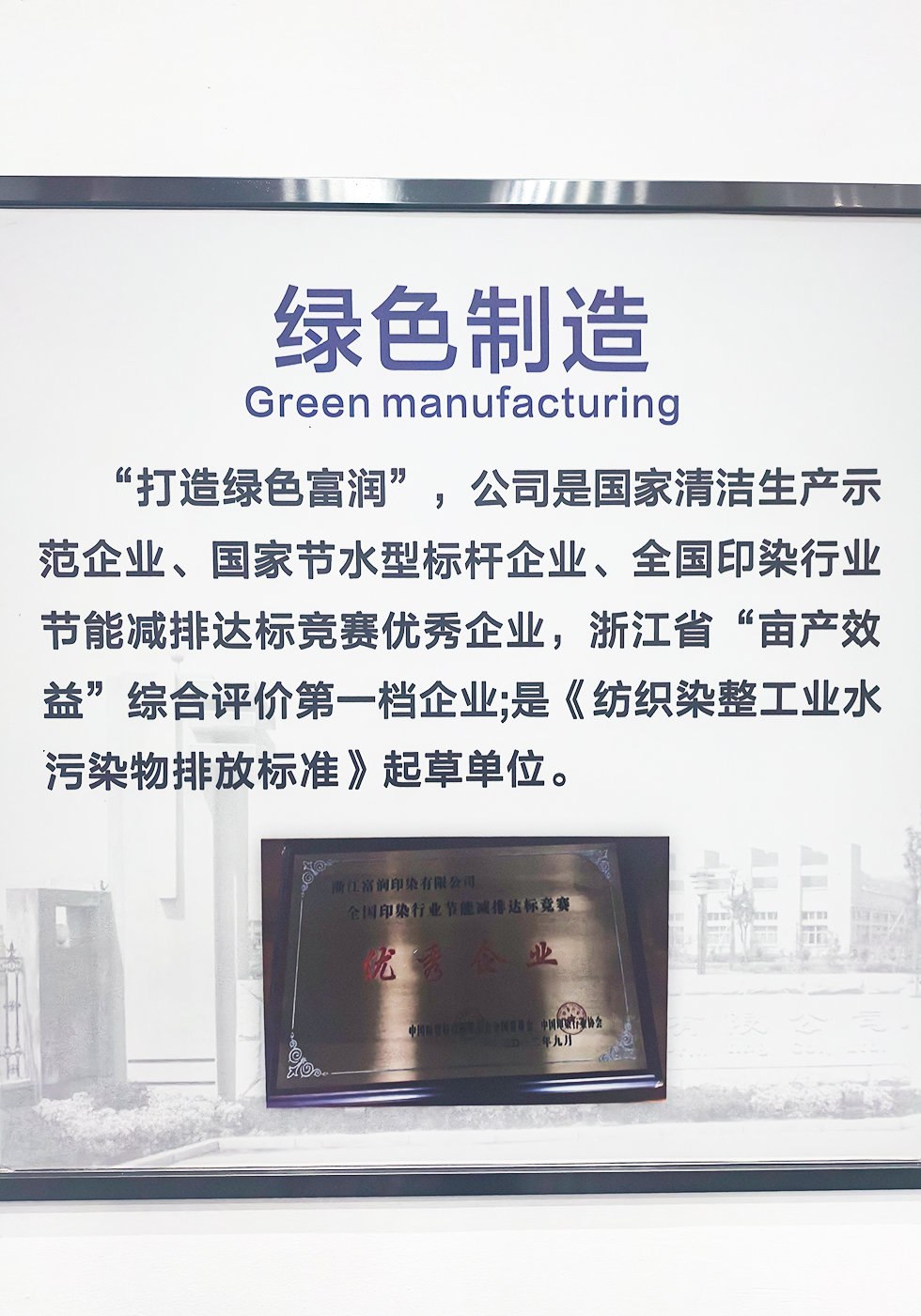
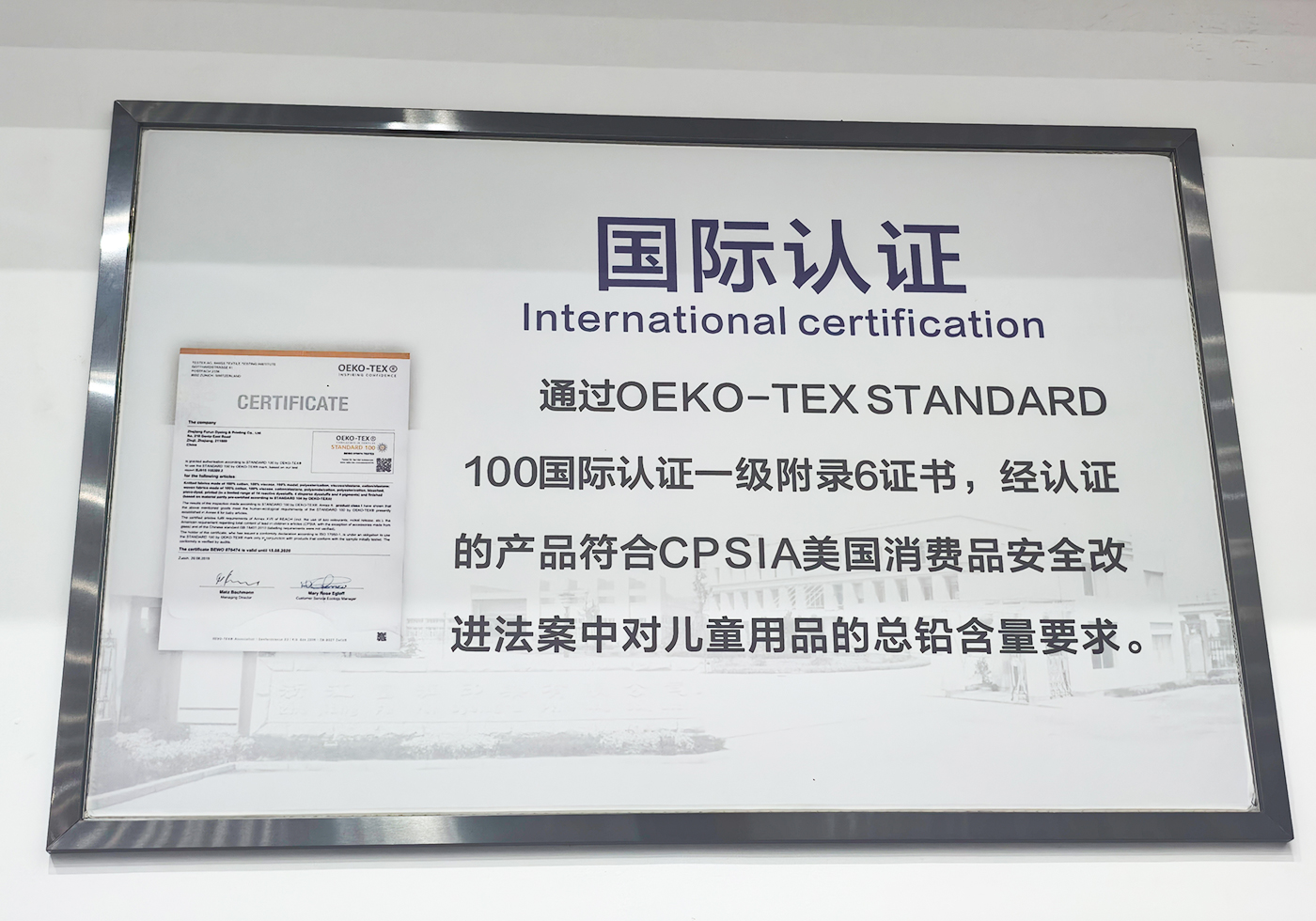
Beyond aesthetics, there is a growing necessity for sustainable material choices. Rayon viscose is inherently biodegradable, and when paired with our eco-friendly, high-strength dyes—which are carefully selected to comply with stringent standards like Oeko-Tex Standard 100—it offers a responsible path forward. Our team at ShaoxingRuiyin Textile Co., Ltd. continuously monitors global textile trends, ensuring that our clients have access to fabrics that are not only environmentally conscious but also at the forefront of modern design inspiration.
The versatility of this fabric is another key factor in its popularity. It is the material of choice for designers creating fluid summer dresses, elegant blouses, sophisticated resort wear, and high-quality linings. Its ability to fall beautifully against the body while remaining lightweight makes it an indispensable asset for diverse product lines. Whether it is for intricate fashion collections or refined home decor pieces, the fabric provides a tactile experience that resonates with end users who value quality craftsmanship.
Key Technical Specifications for Bulk Sourcing
When sourcing Rayon Viscose Reactive Printed Fabric at scale, understanding the precise technical parameters is essential to ensure quality control, streamline production, and minimize material loss. Viscose is a natural cellulose fiber with unique physical behaviors, making it vital to evaluate specifications like weight, width, and dimensional stability before finalizing large orders.
Standard GSM Range Options
The weight of the fabric dictates its seasonal application and drape characteristics. ShaoxingRuiyin Textile Co., Ltd. offers flexible weight configurations tailored to various garment types and home textile requirements:
Lightweight (80 GSM to 110 GSM): Ideal for flowing summer dresses, lightweight blouses, scarves, and soft interior linings. Offers maximum breathability and an ultra-fluid drape.
Mid-Weight (115 GSM to 140 GSM): The most versatile choice for standard everyday apparel, including casual shirts, wrap skirts, and structured resort wear. Balances opacity with a supple handfeel.
Heavyweight (145 GSM to 180 GSM): Best suited for tailored trousers, heavier transitional garments, and select high-end home decor applications where a more substantial drape is required.
Width and Shrinkage Control
Viscose fabric naturally experiences dimensional changes during washing or pre-treatment due to the swelling of cellulose fibers. Managing this behavior is a core focus of our manufacturing process.
Standard Commercial Widths: Typically ranging from 140 cm to 150 cm (55 to 59 inches), optimized for efficient marker making and pattern cutting in garment factories.
Dimensional Stability Control: Through controlled pre-shrinking and specialized finishing treatments, ShaoxingRuiyin Textile Co., Ltd. minimizes post-wash shrinkage. Below is a comparison of typical shrinkage rates between untreated viscose and our pre-treated production standard:
| Evaluation Metric |
Standard Untreated Viscose |
ShaoxingRuiyin Textile Co., Ltd. Treated Fabric |
| Warp Shrinkage (After Wash) |
5 percent to 8 percent |
Less than or equal to 3 percent |
| Weft Shrinkage (After Wash) |
4 percent to 6 percent |
Less than or equal to 2.5 percent |
| Dimensional Recovery |
Moderate |
High stability |
Custom Design and Color Matching
Executing intricate patterns requires absolute precision. To eliminate discrepancies between digital concepts and physical rolls, ShaoxingRuiyin Textile Co., Ltd. utilizes professional color management protocols. We support exact Pantone color matching systems and digital CAD file integration. Through our rapid proofing service, we supply digital strike-offs that allow clients to review color saturation and pattern alignment on the actual base fabric before initiating bulk runs, ensuring total alignment from the first meter to the last.
Quality Control and Manufacturing Standards in Our Mill
Maintaining consistent quality across thousands of meters of Rayon Viscose Reactive Printed Fabric requires rigorous oversight at every single stage of production. From the initial sorting of raw wood pulp fibers to the final roll inspection, every step impacts the handfeel, tear strength, and color durability of the finished textile. At ShaoxingRuiyin Textile Co., Ltd., we treat quality assurance not as a final checkbox, but as an integrated, end-to-end system designed to protect our clients' brand reputations.
Raw Material Inspection and Preparation
The foundation of high-end viscose fabric lies in the quality of the staple fibers used before spinning and weaving begin. We implement strict incoming material checks to evaluate staple length, cleanliness, and moisture regain. Viscose fibers are naturally sensitive to tension, so maintaining optimal environmental conditions during spinning prevents uneven yarn creation, which later manifests as streaks or weak spots during printing.
Advanced Printing and Fixation Lines
Translating complex digital designs or traditional motifs onto delicate cellulose requires precise mechanical control. ShaoxingRuiyin Textile Co., Ltd. operates a comprehensive range of printing techniques, combining modern high-speed digital printing lines with traditional rotary screen capabilities.
Digital Printing: Perfect for multi-color gradients, intricate photorealistic artwork, and small-batch or personalized orders requiring rapid turnaround times.
Rotary Screen Printing: Highly efficient for large-scale production runs of geometric or classic repeating patterns, ensuring absolute edge crispness and deep dye penetration.
Following printing, the fabric undergoes a critical steaming and fixation process where dye molecules permanently bind to the cellulose structure. Our advanced automated fixation lines maintain stable temperature and humidity parameters to ensure uniform color yield across the entire width and length of the roll.
Laboratory Testing Protocols
To guarantee that our textiles meet international performance benchmarks such as ASTM and ISO standards, every production lot undergoes rigorous evaluation in our on-site testing facility.
| Testing Parameter |
Testing Method / Standard |
Target Performance Benchmark |
| Color Fastness to Washing |
ISO 105-C06 |
Grade 4 to 5 (Minimal fading or staining) |
| Color Fastness to Wet Rubbing |
ISO 105-X12 |
Grade 3 to 4 or higher |
| Color Fastness to Dry Rubbing |
ISO 105-X12 |
Grade 4 or higher |
| Color Fastness to Perspiration |
ISO 105-E04 |
Grade 4 (Resistant to acid or alkali shift) |
| Tensile Strength and Tear Resistance |
ASTM D5034 / D1424 |
Compliant with standard garment seam requirements |
Through this meticulous approach to testing and continuous process refinement, ShaoxingRuiyin Textile Co., Ltd. ensures that every meter of Rayon Viscose Reactive Printed Fabric delivered to our partners meets the highest standards of safety, durability, and visual excellence.
How to Source Rayon Viscose Reactive Printed Fabric Directly from Manufacturers
Navigating the global textile supply chain efficiently requires understanding how to bridge the gap between creative design concepts and large-scale manufacturing. When working with complex cellulose textiles like Rayon Viscose Reactive Printed Fabric, partnering with the right production facility dictates not only the final cost of goods but also consistency in lead times, material safety, and custom finishing quality.
Evaluating Mill Capabilities vs. Trading Companies
For apparel brands, designers, and home textile creators, choosing who to work with is a critical first step. Many market entities act merely as intermediaries, adding layers of communication friction and markup without controlling the physical production lines. Collaborating directly with a dedicated manufacturing enterprise changes the dynamic entirely.
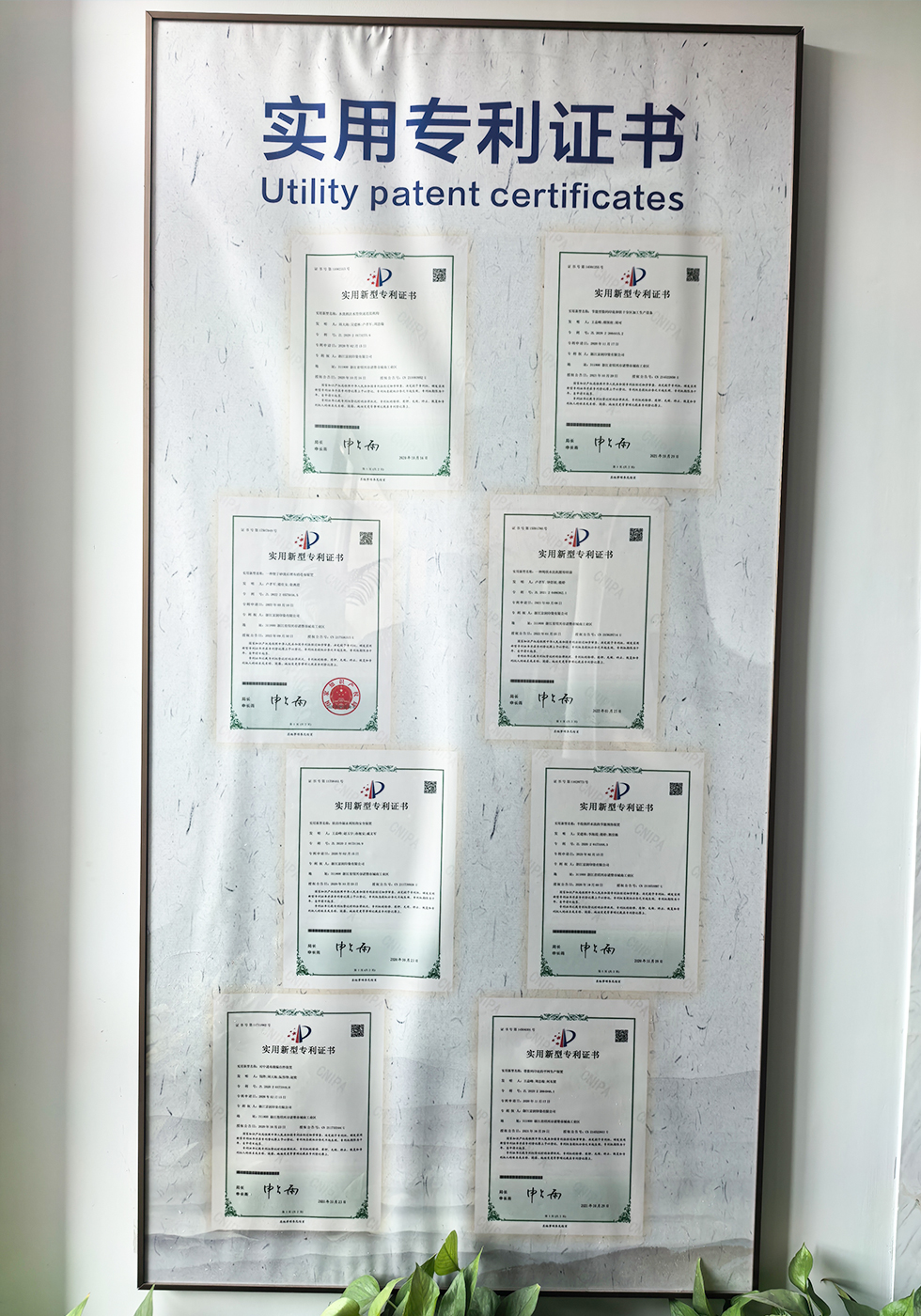
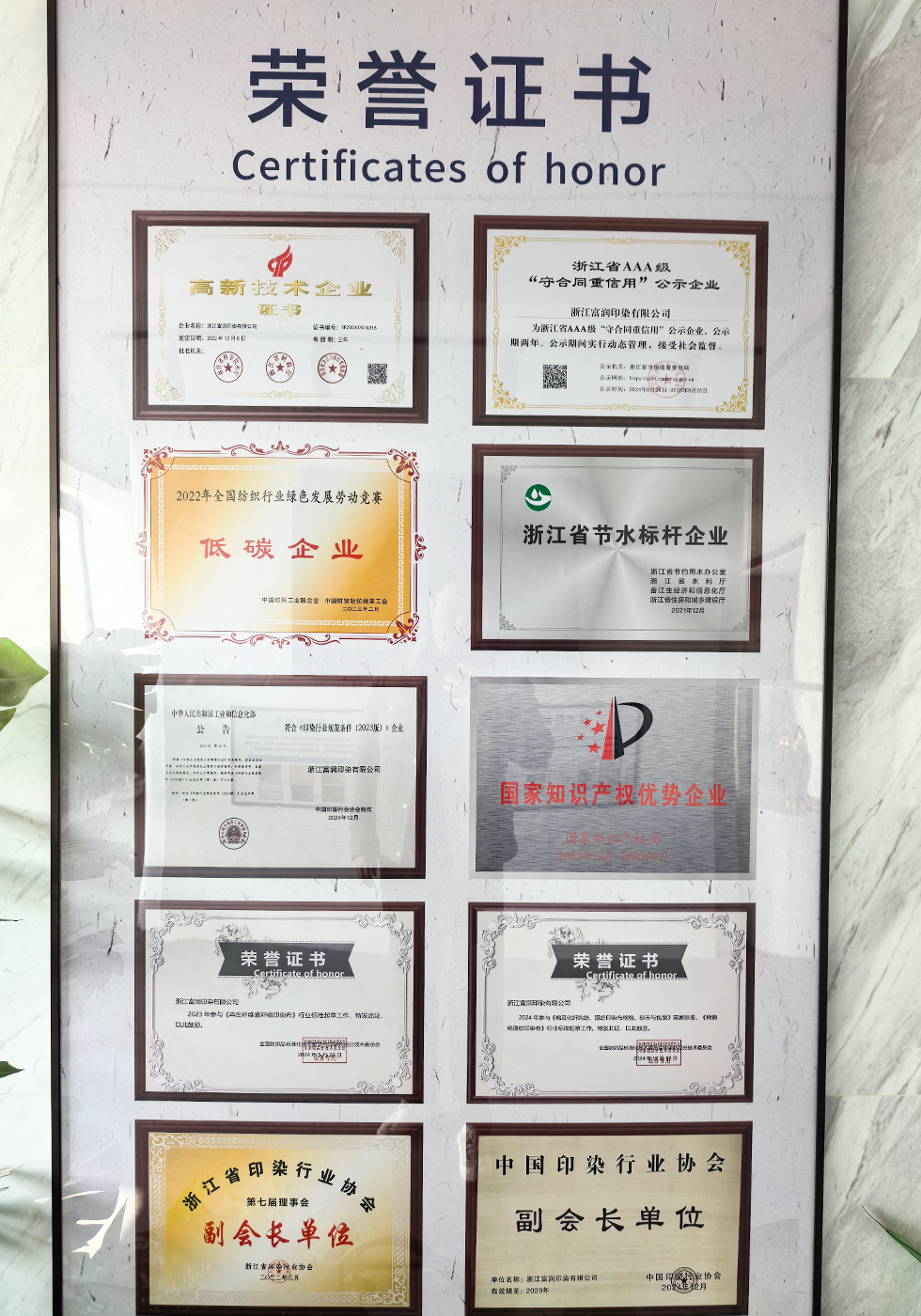
ShaoxingRuiyin Textile Co., Ltd. operates as a modern technology enterprise integrating design R&D, digital and traditional printing, specialized finishing processes, and end-to-end supply chain services. By managing the process directly from concept to finished roll, we eliminate middlemen discrepancies, provide transparent technical communication, and ensure stable, reliable lead times for every order.
Customization Options Available for Large Orders
Every collection has unique physical requirements. Rather than forcing clients into rigid, pre-printed catalog items, a true manufacturing partner offers scalable flexibility tailored to specific brand visions.
Flexible Production Scale: Recognizing that modern fashion moves rapidly, ShaoxingRuiyin Textile Co., Ltd. flexibly undertakes orders ranging from tens of meters for capsule collections and rapid prototyping up to tens of thousands of meters for mass production, fully supporting on-demand manufacturing models.
Strike-Off Sample Approvals: Before launching a full production run, our professional color management utilizes ICC color correction to guarantee that screen designs, digital proofs, and final printed fabrics match seamlessly.
Specialized Finishing Treatments: Beyond standard reactive printing, we offer functional finishes such as anti-static treatments, soft handfeel enhancements, and specialized peach skin textures to give your textiles a distinct competitive edge.
Logistics, Packaging, and Global Shipping
Ensuring that delicate rayon viscose rolls arrive across international borders in pristine condition demands meticulous care during post-processing. Because viscose fibers are sensitive to moisture and physical compression during transit, our packaging protocols include heavy-duty inner core tubes, moisture-proof protective wrapping, and durable outer woven bags or export-grade cartons. Whether shipping via air freight for urgent market launches or containerized sea freight for bulk replenishment, our logistics team coordinates every detail to safeguard the structural integrity of your fabric from our mill floor to your destination warehouse.
Frequently Asked Questions About Rayon Viscose Reactive Printed Fabric
What is the typical Minimum Order Quantity for custom reactive printed designs?
MOQs often depend on whether the production utilizes digital printing or traditional rotary screen printing. Digital printing generally allows for much lower minimums, starting at tens of meters per design, which is ideal for capsule collections and rapid prototyping. Traditional rotary screen printing requires higher volume thresholds to cover engraved cylinder setup costs. At ShaoxingRuiyin Textile Co., Ltd., our flexible production model is designed to support various order scales, allowing us to accommodate both small trial runs and tens of thousands of meters for mass production on-demand.
How does reactive printing differ from pigment or disperse printing on rayon fabrics?
The core difference lies in how the color bonds with the fiber. Reactive printing uses dyes that form a chemical bond with the cellulose molecules of the viscose at a molecular level, resulting in superior wash durability and an exceptionally soft handfeel. Pigment printing merely sits on the surface of the fabric using a resin binder, which can make the fabric feel stiffer and more prone to fading over time. Disperse printing, meanwhile, is primarily engineered for synthetic fibers like polyester rather than natural cellulose.
| Printing Method |
Primary Fiber Suitability |
Color Bonding Mechanism |
Handfeel and Durability |
| Reactive Printing |
Natural Cellulose (Viscose, Cotton) |
Chemical bond inside fiber |
Extremely soft, high wash fastness |
| Pigment Printing |
Universal (Blends, Cotton, Rayon) |
Surface resin adhesion |
Can feel stiffer, moderate fade resistance |
| Disperse Printing |
Synthetics (Polyester, Nylon) |
Heat-transferred fiber absorption |
Moderate, not optimized for pure viscose |
What are the recommended care instructions to communicate to end consumers for finished garments?
Because rayon viscose possesses high moisture absorption and a delicate cellulose structure, finished garments require gentle handling to maximize lifespan. Consumers should be advised to hand wash or machine wash on a gentle cycle using cold water with mild, neutral detergents. Bleaching should be strictly avoided to protect the reactive dye integrity. For drying, line drying in the shade is recommended, and garments should be ironed on a low, cool setting while slightly damp to restore the fabric's natural drape.
What is the standard lead time for bulk production and sample strike-offs?
Lead times vary based on seasonal volume and customization complexity. For rapid digital proofing and color matching, physical or digital strike-offs are typically completed within 3 to 7 days. Bulk production timelines generally range from 15 to 25 days following strike-off approval. ShaoxingRuiyin Textile Co., Ltd. coordinates every step—from professional color management and raw material preparation to final quality control—to ensure stable, transparent delivery schedules for global clients.
How do you handle fabric shrinkage and dimensional stability during the manufacturing process?
Viscose naturally experiences dimensional shifts due to the swelling and relaxing of cellulose fibers when exposed to moisture. To prevent unexpected sizing issues for garment makers, ShaoxingRuiyin Textile Co., Ltd. applies rigorous pre-shrinkage protocols and specialized mechanical finishing treatments during production. By controlling tension and heat fixation parameters, we reduce post-wash warp shrinkage to less than or equal to 3 percent and weft shrinkage to less than or equal to 2.5 percent, ensuring high dimensional recovery and predictable patterning for final apparel construction.
 English
 中文简体
中文简体 Español
 عربى
عربى