2026.10.13
 Industry News
Content
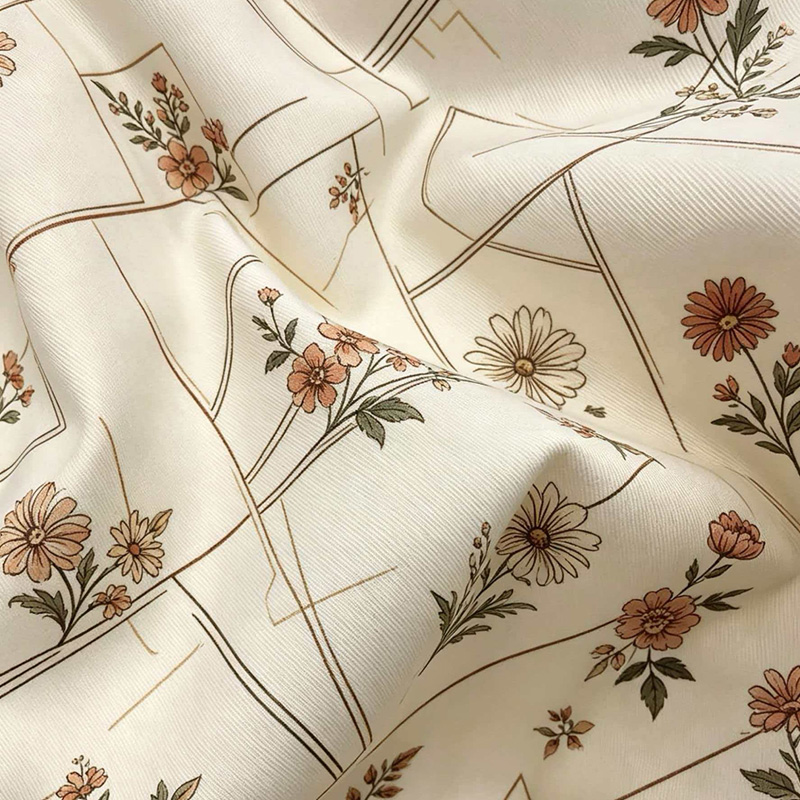
 Full Polyester Sublimation Printing Fabric for Custom Digital DesignsExplore this 100% polyester sublimation fabric for vivid, durable prints in summer collections, with breathable weave options and flexible wholesale production.View Product →
When a summer collection is being built, the first question is rarely about aesthetics alone. It is about how the fabric will behave when the temperature rises above 30°C, when humidity climbs, and when the wearer spends hours moving between air-conditioned interiors and direct sunlight. A 100% polyester fabric is often judged before it is even touched, because the word polyester carries decades of outdated assumptions. In our factory, we see this every season: designers who initially dismiss polyester as a summer option, then return after testing a well-constructed crepe or sublimation-printed style because the performance data tells a different story.
The truth is that 100% polyester is neither a hero nor a villain for summer. It is a family of fabrics. A lightweight polyester crepe with a high-twist yarn behaves nothing like a dense, flat polyester satin. A sublimation-printed polyester jersey for activewear is engineered for moisture transport, while a loosely woven polyester voile allows air to pass through with ease. The fiber itself is hydrophobic, meaning it does not absorb water. That property can be a disadvantage in still, humid air, but it becomes an advantage when the fabric is designed to wick sweat away from the skin and dry quickly. The key is not the fiber content alone, but the combination of yarn structure, fabric weight, weave or knit pattern, and finishing chemistry.
From a manufacturer's perspective, summer polyester should be evaluated on four measurable dimensions: air permeability, moisture vapor transmission, liquid moisture management, and thermal resistance. Air permeability tells you how easily a gentle breeze can pass through the fabric. Moisture vapor transmission measures how well perspiration can escape as vapor. Liquid moisture management shows how fast sweat spreads across the surface and evaporates. Thermal resistance indicates how much heat the fabric traps. A 100% polyester fabric with a high air permeability and low thermal resistance can feel surprisingly cool, even in dry heat. The same fiber with a tight weave and a thick calendared finish will feel warm and clammy. This is why blanket statements about polyester are not useful for product development.
For brands sourcing printed fabrics for summer, the conversation should shift from "Is polyester good?" to "Which polyester construction is right for this garment?" A resort shirt needs a soft handfeel, a fluid drape, and enough breathability for humid evenings. A performance polo needs rapid drying and a crisp, colorfast print that survives repeated washing. A summer dress needs a fabric that moves with the body, resists wrinkling, and holds vibrant digital prints without fading in UV light. These are different technical briefs, and they can all be met with 100% polyester when the specification is correct.
To understand summer comfort, it helps to follow a drop of sweat. When the body heats up, it produces perspiration. That moisture can either stay on the skin, be absorbed by the fabric, or be transported through the fabric and evaporated into the air. Cotton absorbs moisture into its fiber structure, which initially feels cool and comfortable. However, once cotton is saturated, it clings to the skin, becomes heavy, and dries slowly. Polyester does not absorb moisture into its core. Instead, moisture can travel along the surface of the fibers through capillary action, especially when the yarns are engineered with channels or when the fabric has a hydrophilic finish. This means polyester can move sweat to the outer surface, where it evaporates faster. The result is a drier skin feel, but only if the fabric structure supports that movement.
In dry summer heat, polyester's low moisture absorbency is a clear benefit. The fabric stays light, does not become soggy, and dries quickly after a sudden rain shower or a heavy workout. In humid heat, the advantage depends on airflow. If the air is still and the fabric is tightly woven, moisture can accumulate between the skin and the fabric because evaporation is slow. This is where a loose weave, a mesh structure, or a crepe texture makes a significant difference. Open spaces between yarns allow humid air to circulate and vapor to escape. Our high-twist polyester crepe fabrics are a good example: the crinkled surface creates micro-channels for air movement, while the twisted yarns add texture without adding weight.
Another factor is the finish applied during production. A hydrophilic softener can make polyester more comfortable next to the skin by allowing it to spread moisture rather than repel it. A durable water repellent finish, on the other hand, is useful for outdoor jackets but can reduce breathability if applied too heavily. For summer apparel, the goal is usually a balanced finish that improves handfeel and moisture spreading without blocking air permeability. We test these properties in our lab before bulk production, because a small change in finishing can shift the comfort profile from "cool" to "stuffy."
It is also important to distinguish between heat retention and heat generation. Polyester does not generate heat. It insulates. A thick, brushed polyester fleece traps warm air, which is why it is used in winter wear. A thin, smooth polyester voile traps very little air, so it feels cool against the skin. The weight and thickness of the fabric are more important than the fiber content for thermal comfort. A 60 gsm polyester chiffon will feel cooler than a 200 gsm cotton twill in the same summer conditions, simply because it is lighter and allows more heat to escape.
Breathability is often used as a simple yes-or-no property, but in textile engineering it is a spectrum. Air permeability is measured in cubic centimeters of air per square centimeter per second. A fabric with high air permeability lets wind pass through, which accelerates convective heat loss. A fabric with low air permeability blocks wind, which can be desirable for windbreakers but uncomfortable for summer shirts. Polyester can be engineered across the entire spectrum. A tightly woven polyester taffeta has low air permeability. A loosely woven polyester crepe or a polyester mesh has high air permeability. The fiber does not determine the result; the fabric architecture does.
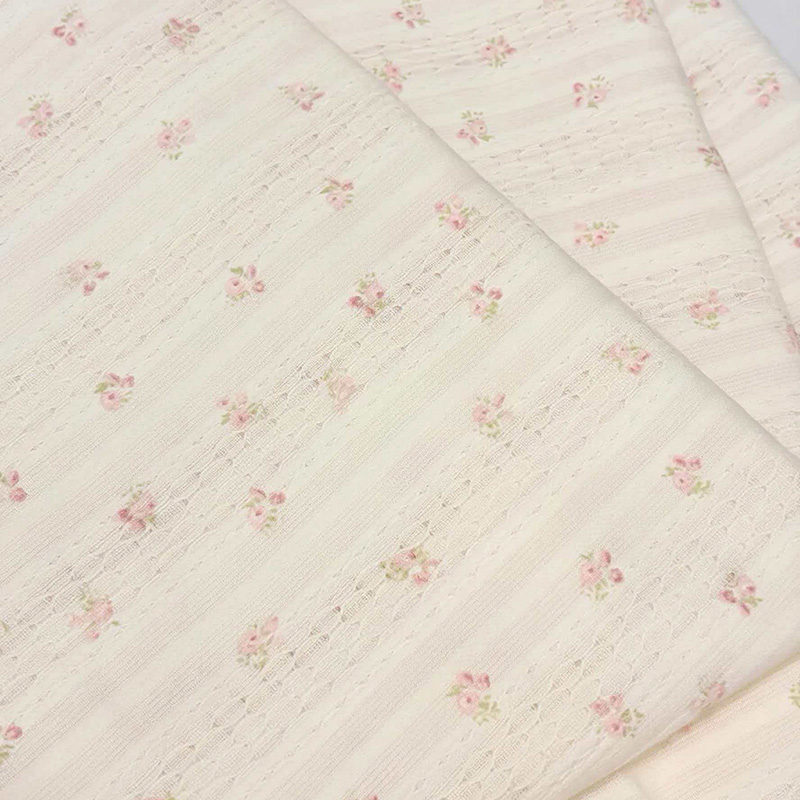
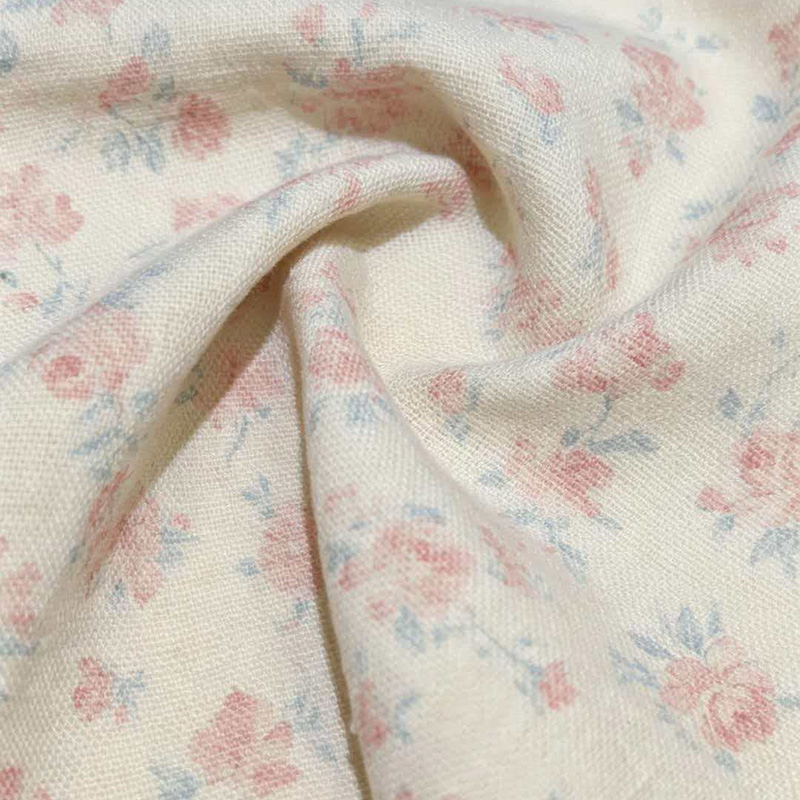
When people say polyester is not breathable, they are usually remembering a specific garment: a cheap, tightly woven polyester shirt from decades ago, or a non-breathable rain jacket. Modern polyester fabrics for summer are developed with air permeability in mind. We use open weaves, slub yarns, and crepe structures to create airflow. We also use fine denier yarns that are lightweight and flexible, allowing the fabric to move with the body and pump air naturally. In addition, digital printing and sublimation printing do not add a heavy coating to the fabric surface, so they preserve the original breathability better than some traditional printing methods that require thick paste layers.
Moisture vapor transmission is another dimension. Even if air cannot pass through easily, water vapor can sometimes diffuse through the spaces between fibers. This is why some tightly woven polyester fabrics still feel acceptable in dry heat: sweat vapor can escape through the fabric, while liquid sweat is not absorbed. The problem arises when both air permeability and moisture vapor transmission are low. Then the microclimate between skin and fabric becomes saturated, and the wearer feels clammy. For summer, we recommend targeting an air permeability above 100 cm³/cm²/s for lightweight woven shirts and above 200 cm³/cm²/s for activewear. These are achievable with 100% polyester when the weave and finishing are optimized.
To make the comparison concrete, the table below summarizes how different summer fabrics typically behave. These are general tendencies, not absolute rules, because construction can override fiber defaults.
| Fabric | Moisture Absorbency | Drying Speed | Air Permeability | Skin Feel in Humid Heat | Wrinkle Resistance |
|---|---|---|---|---|---|
| 100% Polyester (open weave) | Low | Very fast | High | Dry if airflow present | Excellent |
| 100% Polyester (tight weave) | Low | Fast | Low | Can feel clammy | Excellent |
| 100% Cotton | High | Slow | Medium | Cool until saturated | Poor |
| 100% Linen | High | Medium | High | Very cool, crisp | Low |
| Rayon / Viscose | High | Medium | Medium | Soft, cool, can cling | Medium |
| Nylon | Low | Fast | Medium | Similar to polyester | Excellent |
As the table shows, 100% polyester in an open weave can match or exceed cotton in drying speed and wrinkle resistance, while offering better durability and color retention. The trade-off is that polyester does not absorb liquid sweat, so it relies on airflow and capillary spreading to keep the skin dry. In a breezy outdoor setting, this is often an advantage. In a still, humid room, it can feel less comfortable than linen or cotton. The solution is to choose the right polyester construction for the intended environment.
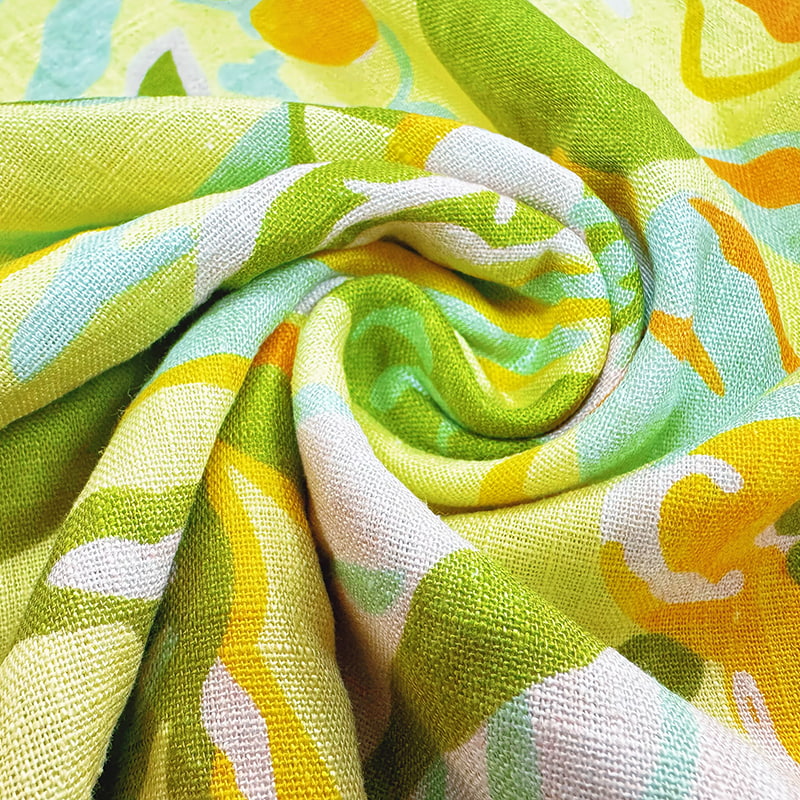
 Crepe Polyester Fabric Custom for Lightweight Summer ApparelThis crinkled polyester crepe offers airflow, soft drape, and easy care, making it worth considering for summer dresses, shirts, and casual tops.View Product →
There are several summer use cases where 100% polyester is not just acceptable but preferred. The first is activewear and performance apparel. Polyester's hydrophobic nature means it does not hold onto sweat, so the garment stays light. When combined with a mesh structure or a bi-component yarn that creates capillary channels, polyester can pull moisture away from the skin and spread it over a large surface area for rapid evaporation. This is why most running shirts, cycling jerseys, and gym tops are made from polyester blends or 100% polyester. The fabric also holds its shape after repeated washing, resisting the sagging and stretching that can affect cotton knits.
The second use case is resort wear and travel clothing. A 100% polyester crepe or chiffon can be extremely lightweight, pack down to almost nothing, and hang dry in minutes. For travelers moving between beaches, restaurants, and airports, this is a practical advantage. The fabric also resists wrinkling, so a packed dress or shirt looks presentable without ironing. Our high-twist polyester crepe fabrics are especially popular for this reason: the crinkled texture hides wrinkles, adds a natural stretch, and creates a soft, dry handfeel that does not cling to the skin.
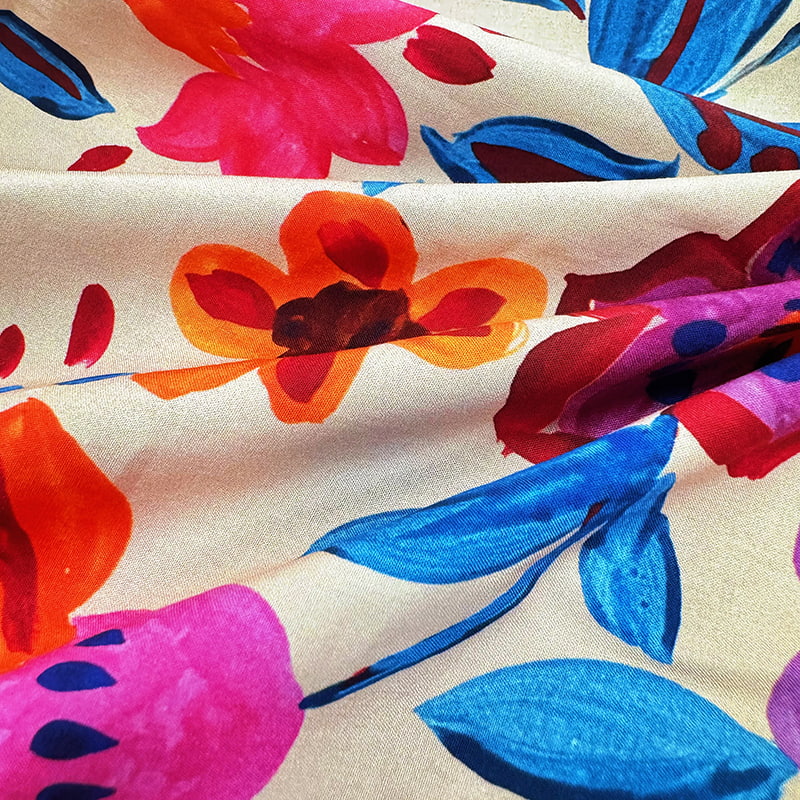
The third use case is printed fashion apparel where color vibrancy and sharpness are critical. Digital sublimation printing on 100% polyester produces exceptionally bright colors because the dye becomes part of the fiber structure rather than sitting on top of it. The print does not crack, peel, or fade easily, even after many washes. For summer dresses, blouses, and scarves with bold botanical or geometric patterns, this is a major advantage. The fabric remains lightweight and breathable while carrying a high-resolution print that would be difficult to achieve on cotton or linen with the same level of detail.
The fourth use case is outdoor and sports apparel that needs UV protection. Polyester naturally provides better UV blocking than cotton or rayon, especially when the fabric is tightly woven or treated with UV stabilizers. For summer hiking shirts, fishing apparel, and beach cover-ups, this added protection is valuable. It also means the fabric itself is less likely to degrade from sun exposure, so the garment retains its color and strength over multiple seasons.
Finally, 100% polyester is an excellent choice for summer linings and lightweight jackets. A polyester lining does not absorb moisture, so it dries quickly and does not become heavy. It also allows the outer garment to slide on and off easily, reducing friction and improving comfort. For lightweight bomber jackets, windbreakers, and packable rain shells, a polyester outer shell with a breathable membrane can provide weather protection without the bulk of traditional coatings.
Despite its strengths, 100% polyester is not the best choice for every summer garment. The most common complaint is a clammy or sticky feeling in hot, humid conditions with little airflow. Because polyester does not absorb liquid sweat, moisture can remain on the skin unless the fabric can move it away quickly. In a tightly woven, non-breathable polyester shirt, this can lead to discomfort, especially in tropical climates. If the wearer is sitting still in an air-conditioned room, the lack of airflow may not be a problem. But if they are walking outside in 90% humidity, the fabric may not provide the same cooling sensation as linen or cotton.
Another limitation is odor retention. Polyester is oleophilic, meaning it attracts oils. Body oils and sebum can cling to the fabric, and odor-causing bacteria can feed on them. This is why some polyester activewear develops a persistent smell even after washing. The issue is worse in fabrics with a large surface area, such as brushed polyester or tight knits. However, modern antimicrobial finishes and regular washing with a good detergent can mitigate this. For summer apparel that is worn next to the skin, we often recommend a polyester fabric with a smooth, non-brushed surface and a hydrophilic finish to reduce oil adhesion.
Static electricity can also be a nuisance in dry summer air, especially in air-conditioned environments. Polyester is a poor conductor, so static charges can build up and cause cling. This is more noticeable in lightweight, loosely woven fabrics. Anti-static finishes or blending with a small amount of natural fiber can help, but for 100% polyester, a softener in the finishing bath can reduce the problem. It is rarely a deal-breaker for summer wear, but it is worth testing if the garment is a loose, flowing dress that might cling to the body.
Finally, polyester is not biodegradable in the same way as natural fibers, which is a concern for brands focused on sustainability. While recycling technologies are improving, virgin polyester still relies on petrochemicals. For summer collections marketed as eco-friendly, a 100% polyester fabric may not align with the brand story unless it is made from recycled PET bottles or certified by a recognized standard. We offer recycled polyester options and can provide certification documentation for brands that need it. The key is to be transparent about the material's origin and end-of-life considerations.
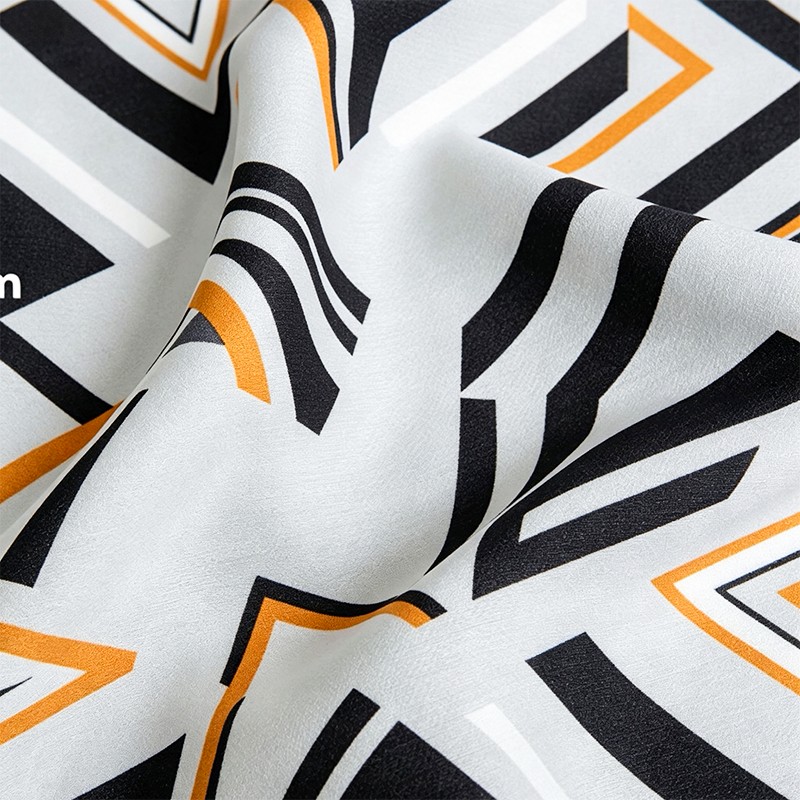
Lightweight Polyester Cotton Sublimation Fabric for Custom SportswearThis quick-drying, anti-wrinkle printed fabric offers bright detail and breathable areas for sportswear, outdoor gear, and casual fashion, with recycled fiber options.View Product →
Not all 100% polyester fabrics are created equal. The way the yarn is spun, the way the fabric is woven or knitted, and the way it is finished and printed all influence how it feels in summer. One of the most effective constructions for hot weather is crepe. A crepe fabric uses high-twist yarns that create a pebbled or crinkled surface. This texture does not lie flat against the skin, so it reduces the contact area and allows air to circulate. The twist also gives the fabric a natural stretch and a dry, crisp handfeel. Polyester crepe is lightweight, wrinkle-resistant, and quick-drying, making it a strong candidate for summer dresses, blouses, and wide-leg pants.
Another useful construction is the open weave. A plain weave with a low thread count allows more air to pass through. We often produce polyester voile, polyester gauze, and polyester mesh for summer layering pieces. These fabrics are semi-sheer and are commonly used for beach cover-ups, scarves, and overlay dresses. When printed with digital inkjet technology, they can carry intricate patterns while maintaining their airy structure. The key is to avoid heavy pigment printing, which can fill the spaces between yarns and reduce breathability. Reactive printing and sublimation printing are better choices because they do not add a thick layer to the fabric surface.
Sublimation printing is particularly well-suited to 100% polyester summer fabrics. In this process, disperse dyes are transferred onto the fabric at high temperature, turning into gas and bonding with the polyester fibers. The result is a permanent print that does not affect the handfeel, drape, or breathability of the fabric. There is no added weight, no cracking, and no color fading. For summer activewear, resort wear, and fashion apparel, this is a significant advantage. It allows us to produce vibrant, photorealistic prints on lightweight polyester without compromising comfort.
Fabric weight is another critical factor. For summer, we generally recommend weights between 50 gsm and 120 gsm for woven fabrics, and between 100 gsm and 160 gsm for knits. A 50 gsm polyester chiffon is extremely light and airy, ideal for scarves and overlay layers. A 100 gsm polyester crepe has enough body for a dress or a shirt while remaining breathable. A 150 gsm polyester interlock knit works well for polo shirts and light activewear. Heavier weights, above 180 gsm, tend to trap more heat and are better suited for transitional seasons or air-conditioned environments.
Finishing also matters. A calendared finish, which presses the fabric smooth under heat and pressure, reduces air permeability and makes the fabric feel warmer. A peached or brushed finish adds surface fuzz, which can trap air and feel softer but less cool. For summer, we recommend a simple wash-and-dry finish or a hydrophilic softener that improves moisture spreading without blocking airflow. Anti-static and antimicrobial finishes can be added as optional enhancements, but they should be tested for durability and skin compatibility.
The following table expands the earlier comparison with additional performance attributes that matter for summer garment development. It is based on typical commercial fabrics and is intended as a starting point for specification discussions, not as a universal rule.
| Attribute | 100% Polyester | 100% Cotton | 100% Linen | Rayon / Viscose | Nylon |
|---|---|---|---|---|---|
| Moisture regain (%) | 0.4 | 7.0 | 12.0 | 13.0 | 4.5 |
| Drying time (relative) | Very fast | Slow | Medium | Medium | Fast |
| Wrinkle recovery | Excellent | Poor | Low | Medium | Excellent |
| Color retention after UV | Excellent | Good | Good | Moderate | Very good |
| Air permeability (open weave) | High | Medium | High | Medium | Medium |
| Skin coolness in dry heat | Very good | Good | Excellent | Good | Very good |
| Skin coolness in humid heat | Moderate to good | Moderate | Excellent | Moderate | Moderate |
| Print sharpness (digital) | Excellent | Good | Moderate | Good | Very good |
| Durability | Excellent | Good | Moderate | Moderate | Excellent |
As the matrix shows, 100% polyester leads in drying speed, wrinkle recovery, color retention, and print sharpness. It trails linen in humid heat comfort, but with an open weave or crepe construction, the gap narrows significantly. For brands that prioritize easy care, vibrant prints, and long-lasting garments, polyester is a strong contender. For brands that prioritize a natural, breathable feel in tropical humidity, a blend of polyester with linen or viscose may offer a better balance.
When designing with 100% polyester for summer, the goal is to enhance airflow and minimize skin contact. Silhouettes should be relaxed and fluid rather than tight and structured. A-line dresses, wide-leg trousers, loose camp-collar shirts, and tiered skirts all allow air to move around the body. If a fitted garment is needed, consider using a stretch polyester crepe or a knit with elastane, which moves with the body and does not restrict airflow as much as a rigid woven. Our digital printed fabric for summer dresses is engineered with these design principles in mind: lightweight, breathable, and receptive to high-resolution prints.
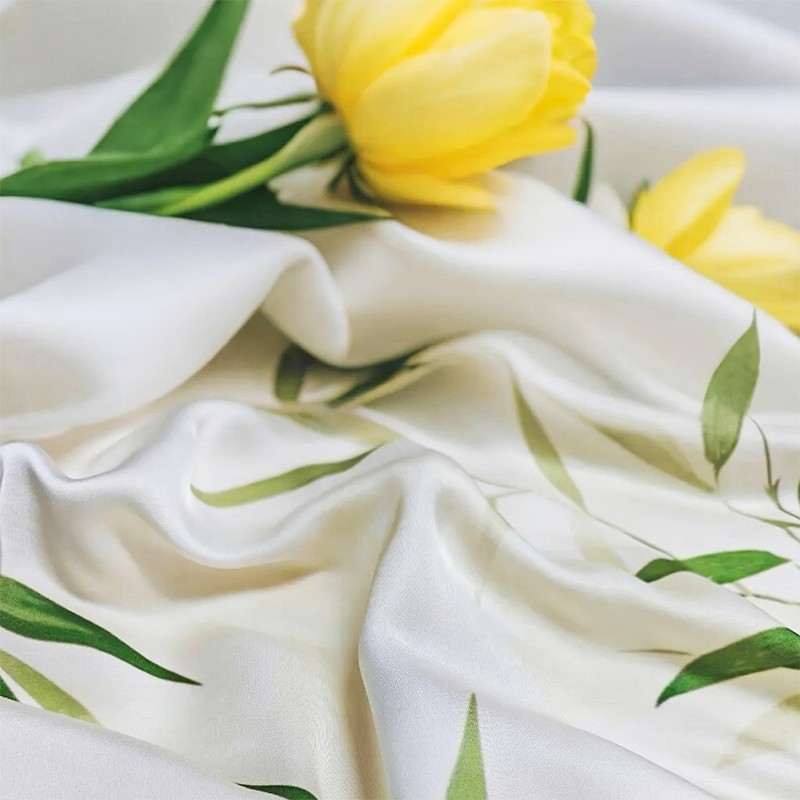
Print design also plays a role. Dark colors absorb more solar radiation and can feel warmer in direct sunlight. Light colors, pastels, and white reflect heat and are more comfortable for daytime summer wear. However, digital sublimation printing allows for vibrant colors without adding weight, so a bright print on a lightweight polyester can still be comfortable if the fabric itself is airy. The key is to avoid heavy, opaque pigment layers that stiffen the fabric. Sublimation and reactive printing keep the handfeel soft and the drape fluid.
Texture can be used to improve comfort. Crepe, seersucker, and slub yarns create uneven surfaces that lift the fabric away from the skin. This reduces the area of contact and allows air to circulate. It also hides wrinkles and adds visual interest without requiring complex garment construction. For summer shirts and dresses, a textured polyester is often more comfortable than a smooth, flat polyester of the same weight. We produce a range of high-twist crepe fabrics that are popular for this reason.
Layering is another strategy. A lightweight polyester mesh or voile can be worn over a cotton or linen base layer. The outer layer provides color and print, while the inner layer absorbs moisture and keeps the skin dry. This combination can be more comfortable than either fabric alone, because the cotton or linen manages sweat while the polyester adds style and quick-drying properties. It also allows brands to use bold prints on the outer layer without sacrificing next-to-skin comfort.
Finally, consider the end use. A summer dress worn for a garden party has different requirements from a running shirt. For social occasions, drape, print quality, and wrinkle resistance may be the top priorities. For activewear, moisture management, stretch, and odor control are more important. By matching the polyester construction to the use case, brands can deliver garments that feel good and perform well, even in the heat.
One of the practical advantages of 100% polyester is easy care. It can be machine washed in cold or warm water, usually with similar colors. Hot water is not necessary and may set stains or cause shrinkage in some blends. A gentle cycle is sufficient for most lightweight summer fabrics. Avoid using chlorine bleach, which can damage the fibers and cause yellowing over time. If whitening is needed, use an oxygen-based bleach instead.
Drying is quick. Polyester garments can be hung to dry or tumble dried on low heat. High heat can cause shrinkage or melt the fabric, so it is best to keep the dryer setting low. Many summer polyester pieces can be hung in the shade and will be dry within an hour. This is a major convenience for travelers and for consumers who do not want to iron. If ironing is needed, use a low setting and a pressing cloth, or steam the garment lightly. Direct high heat can glaze or melt the surface, especially on lightweight fabrics.
Static cling can be reduced by using a fabric softener or dryer sheet, or by adding a small amount of white vinegar to the rinse cycle. For antimicrobial performance, wash regularly and avoid leaving damp garments in a gym bag for long periods. If the fabric has a hydrophilic finish, avoid using fabric softener too often, as it can coat the fibers and reduce moisture spreading. A mild detergent is usually the best choice.
Stains should be treated promptly. Oil-based stains can be stubborn on polyester because the fiber attracts oils. Apply a small amount of dish soap or a stain remover directly to the stain, let it sit for a few minutes, then wash as usual. Avoid rubbing vigorously, which can damage the print or the fabric surface. For sublimation-printed fabrics, the print is part of the fiber, so it will not wash out, but abrasion can still dull the surface over time.
Storage is simple. Polyester garments can be folded or hung. They resist moths and mildew, which is another advantage in humid climates. However, they can develop static if stored in very dry conditions, so a breathable garment bag is better than a sealed plastic bag. If the garment has a delicate print or a soft finish, avoid hanging it in direct sunlight for long periods, as UV exposure can eventually fade even the most colorfast dyes.
It depends on the fabric construction and the climate. In dry heat with airflow, a lightweight, open-weave 100% polyester can be very comfortable because it dries quickly and does not become heavy with sweat. In humid, still conditions, a tightly woven polyester may feel clammy because it does not absorb liquid sweat. Choosing a crepe, mesh, or open weave and avoiding heavy finishes can make polyester a good summer option.
Polyester does not cause sweating, but it can affect how sweat is managed. Because it does not absorb moisture, sweat may remain on the skin if the fabric cannot move it away. However, many polyester fabrics are engineered with capillary channels or hydrophilic finishes to spread and evaporate sweat. In contrast, cotton absorbs sweat and holds it, which can feel cool at first but becomes heavy and clingy when saturated.
For activewear and quick-drying applications, polyester is often cooler because it moves moisture away from the skin and dries fast. For still, humid conditions, cotton or linen may feel cooler initially because they absorb moisture and provide a damp, cooling sensation. The best choice depends on the activity, humidity, and fabric weight. A lightweight polyester crepe can be cooler than a heavy cotton twill, while a thick cotton jersey can be cooler than a tightly woven polyester satin.
Yes. Breathability is determined by the weave or knit structure, not just the fiber. An open-weave polyester voile or a polyester mesh allows air to pass through easily. A tightly woven polyester taffeta does not. Finishing also matters: a calendared finish reduces breathability, while a simple wash finish preserves it. When sourcing, ask for air permeability data and choose a construction that matches your summer use case.
A lightweight crepe or chiffon in the 50–100 gsm range is often ideal. Crepe adds texture, reduces skin contact, and hides wrinkles. Chiffon is airy and drapes beautifully. For prints, choose a fabric that has been digitally printed with sublimation or reactive inks, which do not add weight or stiffness. Look for a soft handfeel and a fluid drape.
Choose a loose fit, an open weave, and a light color. Avoid heavy coatings and tight weaves. If the fabric will be worn next to the skin, look for a hydrophilic finish or an antimicrobial treatment. Layering polyester over a cotton or linen base can also improve comfort by combining moisture absorption with quick drying. Finally, wash the garment properly to maintain any performance finishes.
Absolutely. Polyester is the dominant fiber in performance activewear for good reason. It is durable, lightweight, and can be engineered to wick moisture and dry quickly. When combined with elastane for stretch and a mesh or jacquard structure for ventilation, it provides excellent comfort for running, cycling, hiking, and gym workouts. The key is to select a fabric designed for moisture management rather than a fashion polyester with a tight weave and no functional finish.
As a manufacturer, we see brands succeed with 100% polyester when they treat it as a technical material rather than a commodity. The specification should start with the end use. If the garment is for high-intensity activity, prioritize moisture management, stretch, and odor control. If it is for resort wear, prioritize lightweight construction, soft handfeel, and print vibrancy. If it is for everyday summer fashion, prioritize wrinkle resistance, easy care, and breathability. Each of these briefs can be met with 100% polyester, but the fabric construction and finishing will differ.
Ask your supplier for data. Air permeability, moisture vapor transmission, drying time, colorfastness, and shrinkage are all measurable. A good supplier will be able to provide test reports and samples for evaluation. We encourage brands to test fabrics in real conditions: wear them in humid heat, wash them repeatedly, and check how they feel after several hours. Laboratory data is valuable, but the wearer's experience is the final judge.
Consider certifications if they matter to your market. OEKO-TEX Standard 100 ensures that the fabric is free from harmful substances, which is important for skin-contact garments. Global Recycled Standard (GRS) verifies recycled content if you are using recycled polyester. These certifications can support marketing claims and open doors to retailers with strict sustainability requirements. Our OEKO-TEX certified digital printed fabric is an example of how performance and safety can be combined.
Finally, think about the entire lifecycle. A well-made 100% polyester summer garment can last for many seasons, resisting fading, shrinking, and pilling. This durability can be a selling point for consumers who are tired of replacing cheap clothes every year. When the fabric is printed with high-quality digital technology and finished with care, it can look and feel premium while offering practical benefits. That is the message we help brands communicate to their customers.
Open weaves and crepe structures allow air to circulate, keeping the wearer cool in dry heat.
Polyester does not hold water, so garments dry fast after washing or sweating.
Sublimation and digital inkjet printing produce sharp, colorfast designs without adding weight.
Polyester keeps its shape and color after repeated wear and washing, ideal for travel and everyday summer wear.
The chart below illustrates the relative performance of different 100% polyester constructions across key summer comfort metrics. Higher bars indicate better performance. This is a qualitative summary based on our experience and typical test data.
This visual summary reinforces the earlier point: 100% polyester can be engineered to perform exceptionally well in summer, but the results depend on construction and finishing. A lightweight open crepe with a hydrophilic finish will feel very different from a tight, calendared plain weave. When you specify polyester for summer, be precise about the performance you need and ask for the corresponding fabric parameters.
For brands developing summer collections, the opportunity is clear. Polyester offers durability, color vibrancy, easy care, and design flexibility that few other fibers can match. By understanding its limitations and selecting the right construction, you can create garments that keep wearers comfortable, confident, and cool all season long. We invite you to explore our range of 100% polyester printed fabrics and see how they can elevate your next summer line.
 Wholesale Digital Printed Fabric Manufacturers
 English
 中文简体
 Español
 عربى