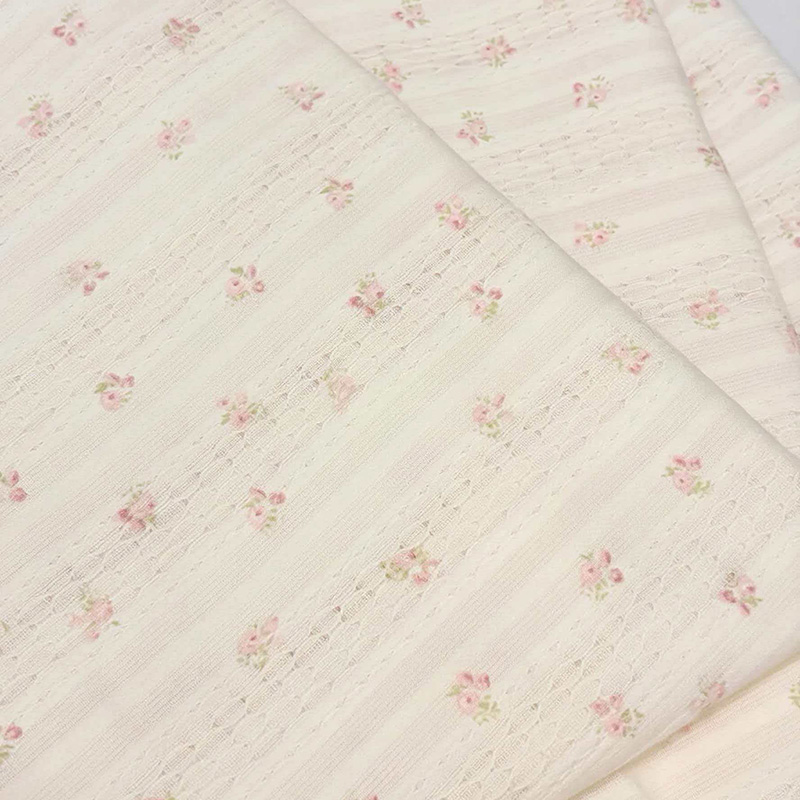
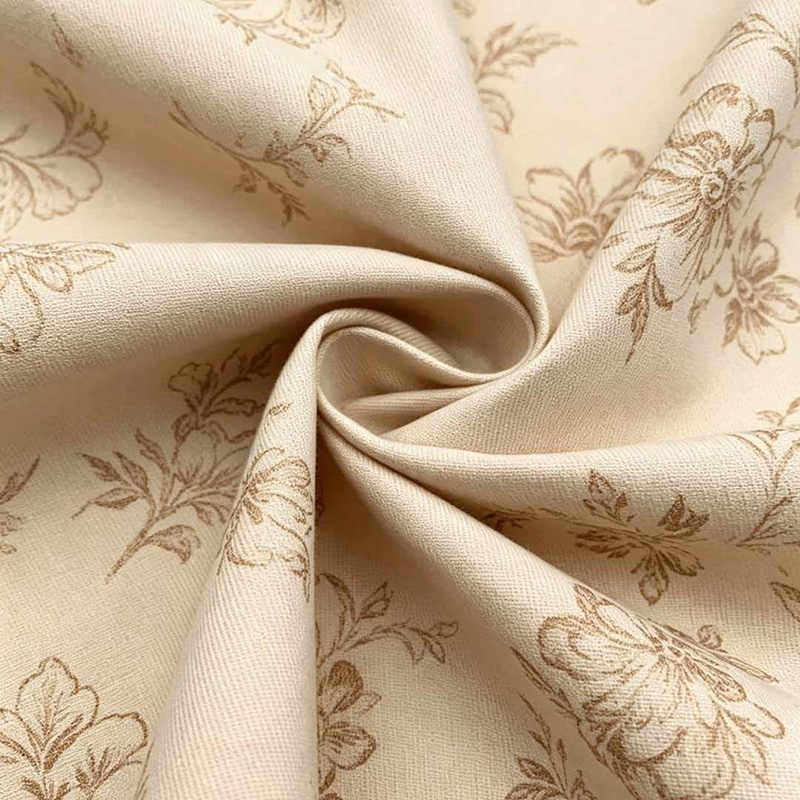
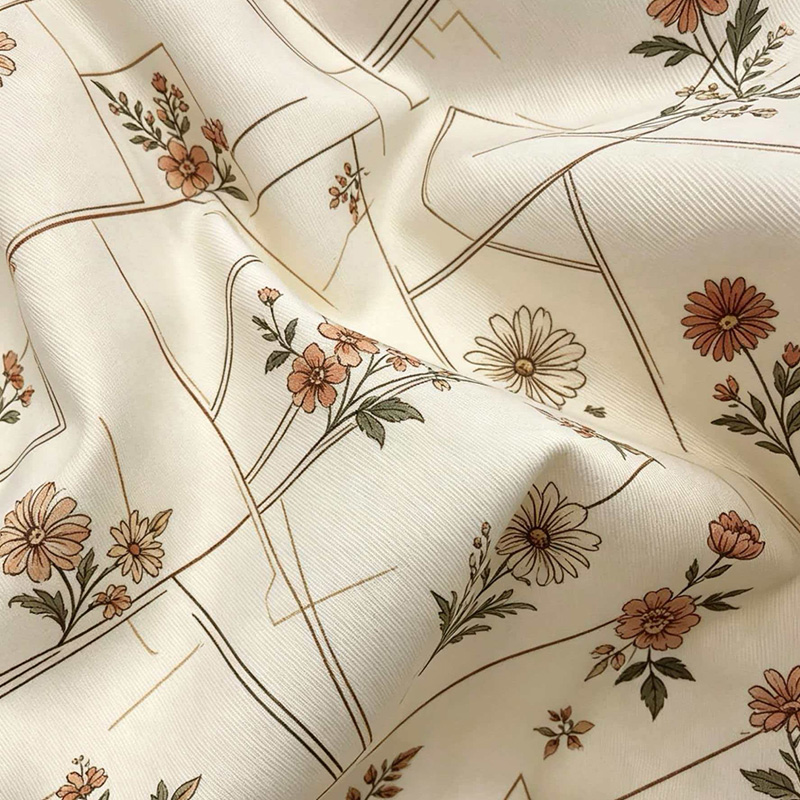
Understanding 100% Cotton Digital Printing Fabric: The Ultimate Sourcing Guide for Global Brands
The Evolution of Textile Manufacturing: How modern digital printing technology has transformed traditional textile production into a high-precision, eco-friendly process tailored for high-volume commercial needs.
Why Global Brands Choose Digital Cotton: The unique intersection of natural comfort, breathability, and infinite design customization that drives consumer demand across apparel and home textile sectors.
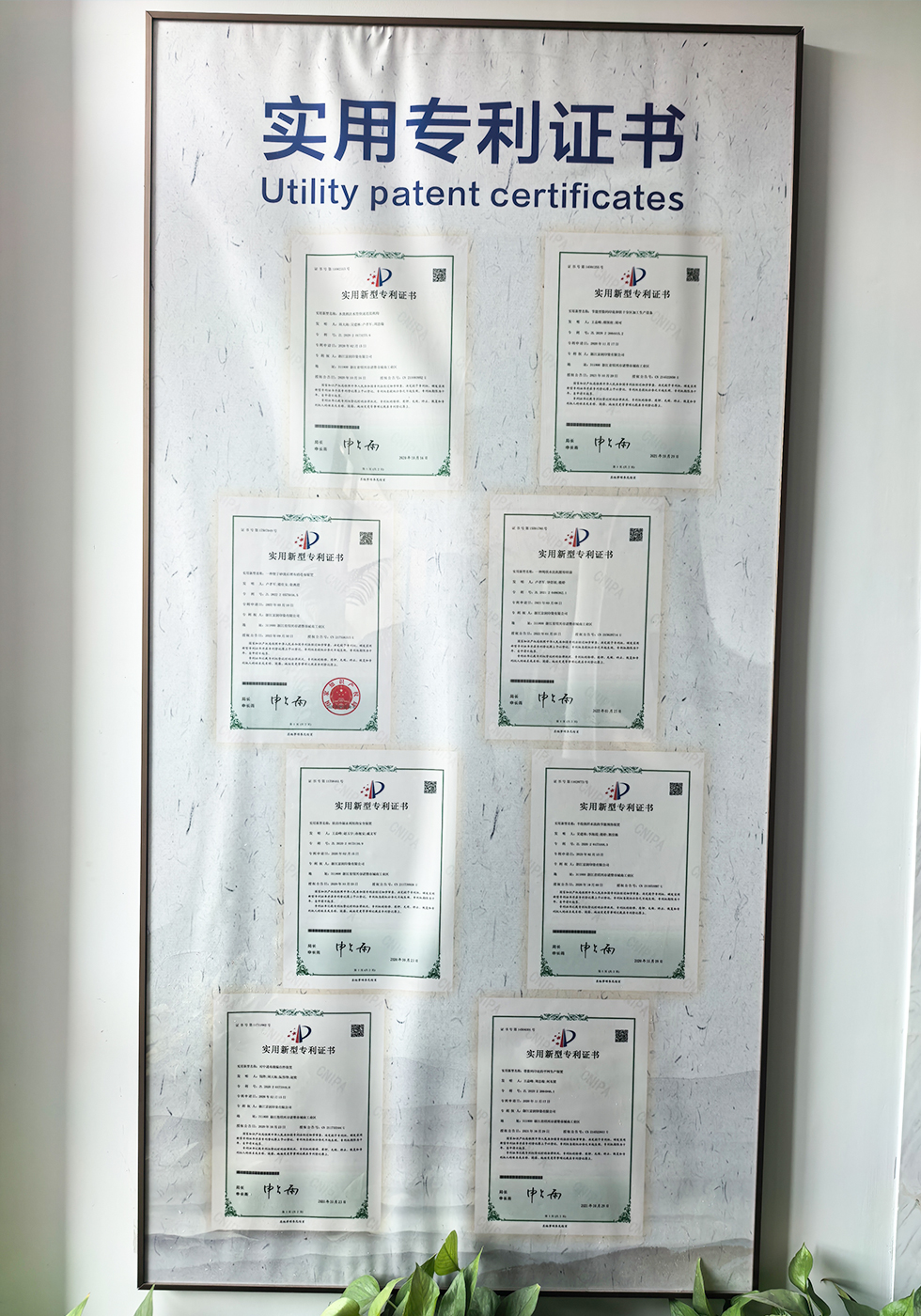
Modern textile engineering has shifted dramatically away from rigid, traditional production limits. Today, premium fabrics like 100% Cotton Digital Printing Fabric serve as the cornerstone for brands seeking exceptional detail, vibrant color accuracy, and ecological responsibility. Behind these high-performance materials are specialized operations such as ShaoxingRuiyin Textile Co., Ltd., a modern technology enterprise integrating design R&D, advanced digital printing, finishing processes, and comprehensive supply chain services to deliver seamless, one-stop solutions from concept to finished product.
Core Technical Specifications of Premium 100% Cotton Digital Printing Fabric
Fiber Composition & Weave Structures: Detailed breakdown of base cloth options—including poplin, twill, canvas, and satin—engineered for optimal ink absorption and durability.
GSM (Grams per Square Meter) Ranges & Weight Selection: Choosing the correct fabric weight for specific end-uses, from lightweight summer apparel to heavy-duty home furnishings.
Color Fastness & Print Resolution: Maintaining high DPI (Dots Per Inch) accuracy, sharp edge definition, and resistance to fading through industrial washing cycles.
Achieving superior results with 100% Cotton Digital Printing Fabric starts with selecting the right foundation. Different weave structures interact uniquely with digital reactive or pigment inks, affecting everything from tactile hand-feel to drape and color saturation. To navigate these technical nuances effectively, ShaoxingRuiyin Textile Co., Ltd. provides dedicated fabric consultation services, recommending optimal base cloths and printing techniques tailored directly to the final application.
The technical parameters of standard cotton base options vary across distinct categories:
| Base Fabric Weave |
Typical Weight Range (GSM) |
Primary Characteristics |
Optimal End-Use |
| Poplin |
90 - 140 GSM |
Smooth surface, tight plain weave, crisp texture |
Lightweight shirts, dresses, lining |
| Twill |
150 - 250 GSM |
Diagonal rib pattern, durable, soft drape |
Trousers, workwear, structured garments |
| Canvas |
280 - 450 GSM |
Heavyweight, high tensile strength, rigid structure |
Tote bags, home decor, upholstery |
| Satin |
130 - 200 GSM |
Lustrous sheen, silky touch, smooth face |
Premium bedding, high-end fashion |
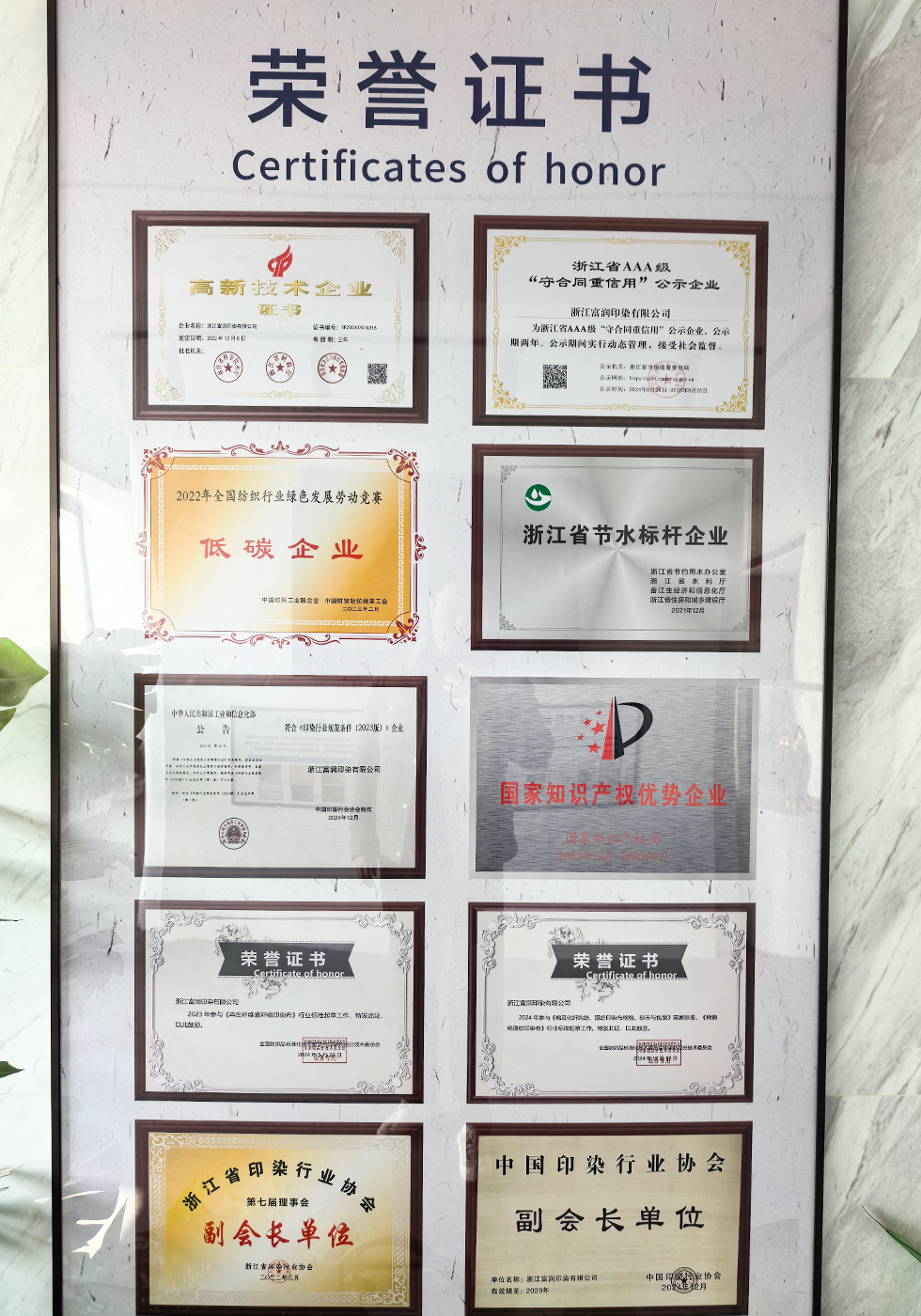
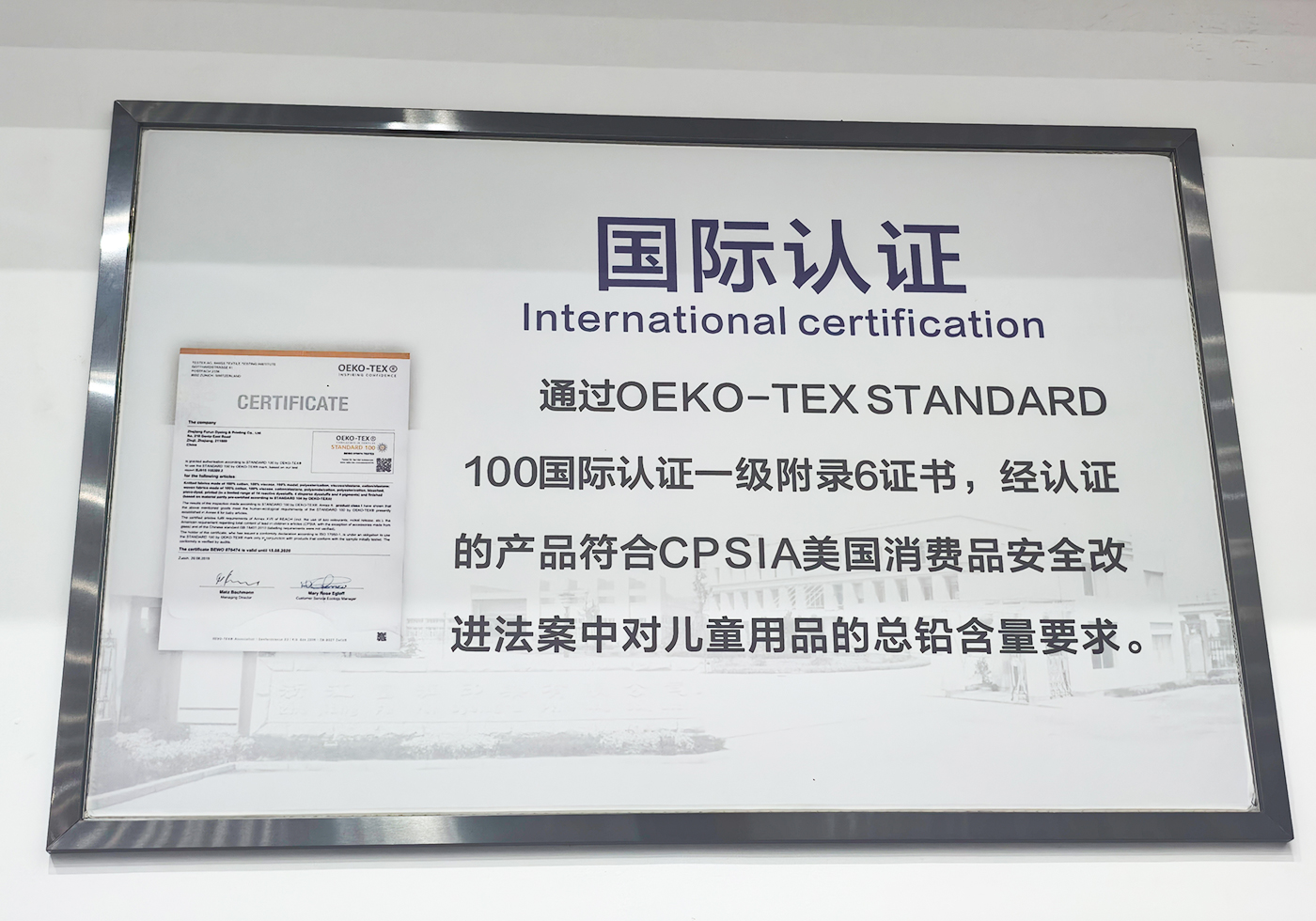
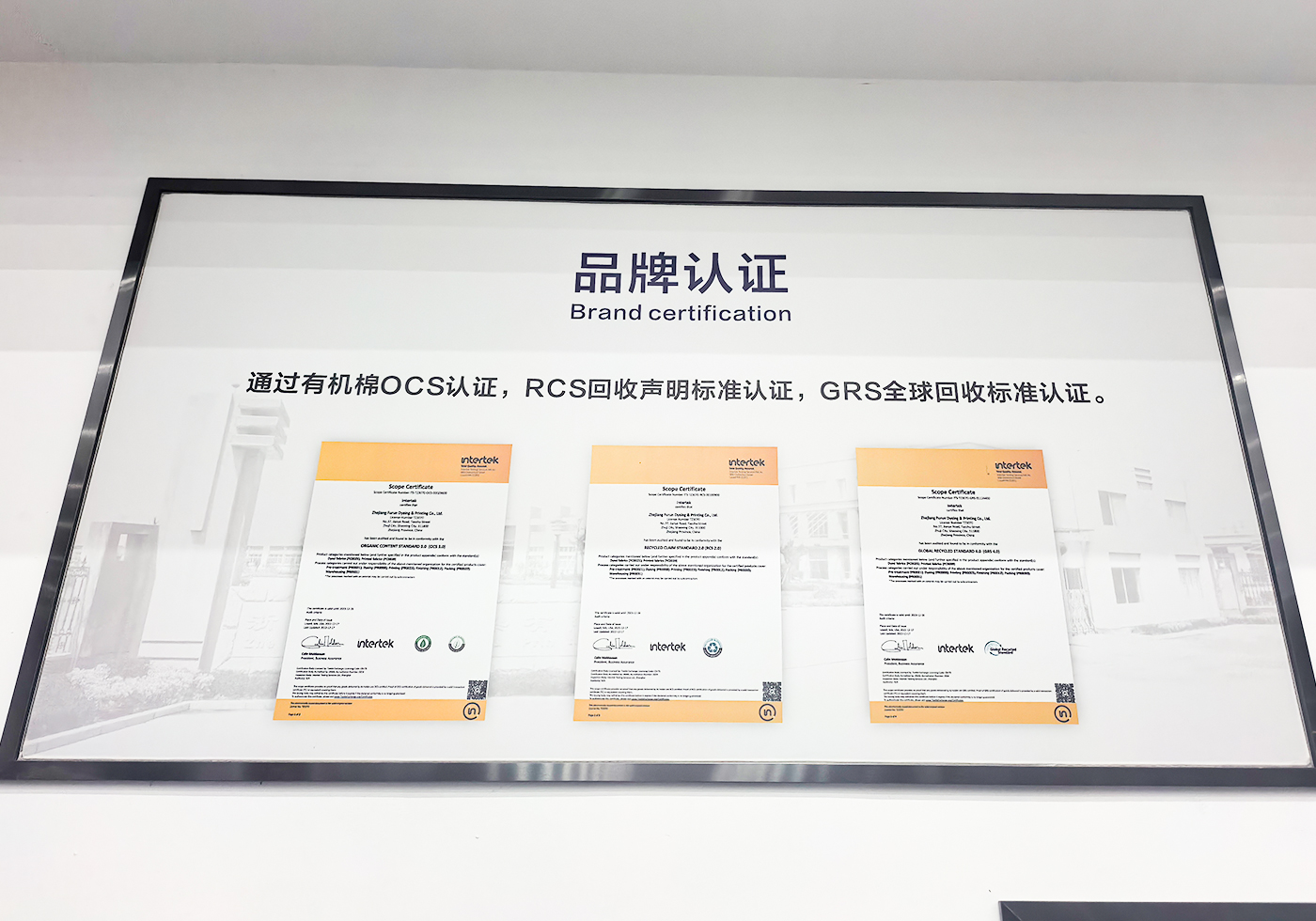
Beyond weave selection, technical execution relies heavily on precise color management. Maintaining strict ICC color correction ensures high consistency between digital screen designs, physical strike-offs, and final production runs. Utilizing eco-friendly, high-strength reactive inks that comply with international standards like Oeko-Tex Standard 100 guarantees that the fabric retains exceptional color fastness, breathability, and long-term durability without compromising safety.
Key Advantages for Industrial Operations and Mass Production
Design Flexibility & Low Minimum Order Quantities (MOQs): Overcoming traditional rotary screen limitations by enabling multi-color prints, complex gradients, and rapid prototyping without high cylinder engraving costs.
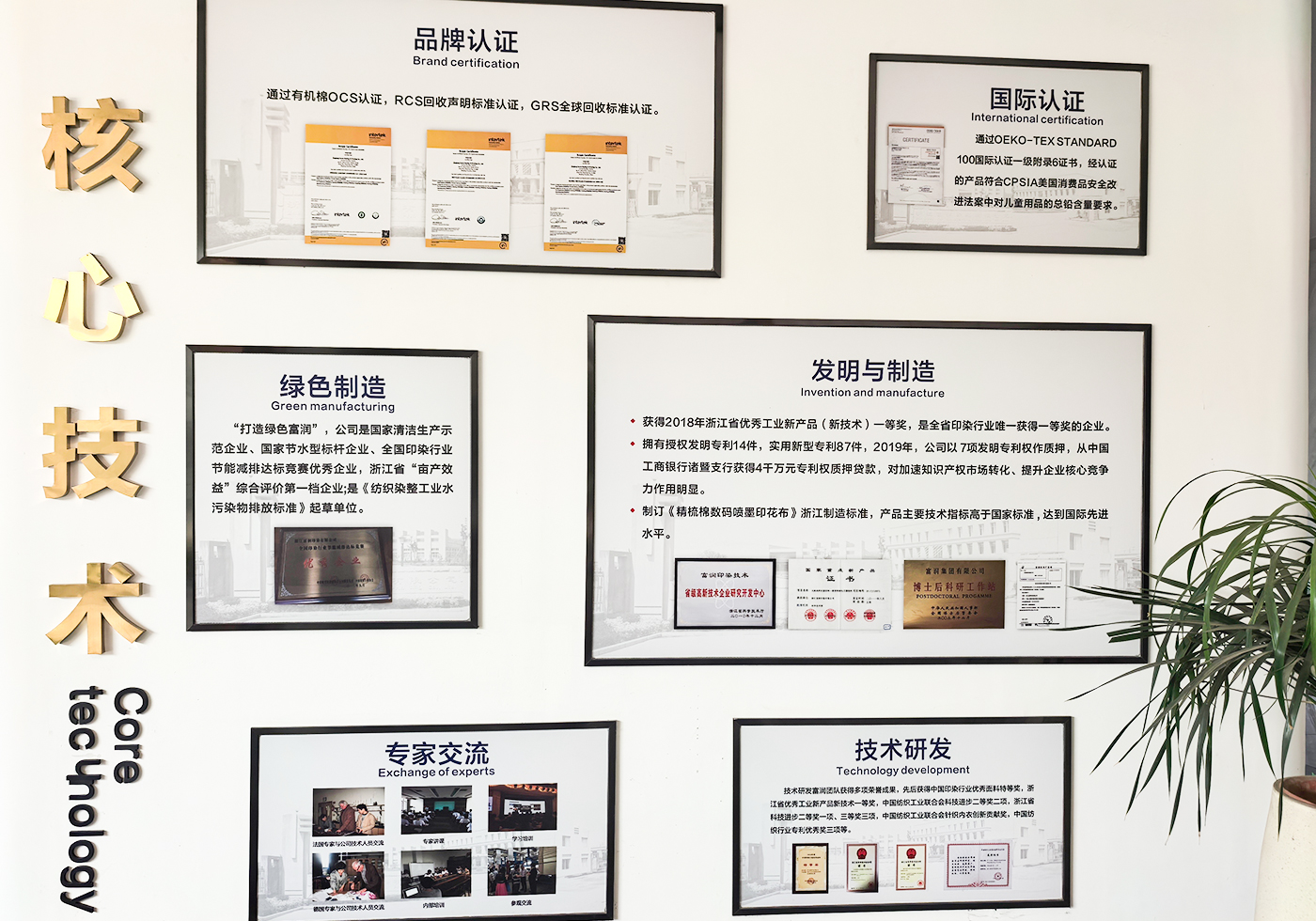
Sustainability and Compliance: Meeting stringent international eco-standards, including OEKO-TEX Standard 100 and GOTS (Global Organic Textile Standard) certifications required by modern retail compliance.
Supply Chain Efficiency: How digital workflows reduce lead times, minimize water and chemical waste, and streamline large-scale inventory replenishment.
Traditional textile printing often locks manufacturers into rigid constraints, demanding massive volume commitments just to cover expensive copper roller or screen engraving setup costs. In contrast, modern digital workflows redefine production economics for 100% Cotton Digital Printing Fabric. By utilizing advanced direct-to-textile digital printers, production lines can shift seamlessly from intricate multi-color gradients to photo-realistic prints without physical plate changes.
To bridge the gap between creative design and efficient execution, ShaoxingRuiyin Textile Co., Ltd. operates a flexible production framework capable of handling everything from rapid prototyping to full-scale manufacturing. Whether a project calls for short runs of tens of meters for seasonal sample collections or tens of thousands of meters for large retail rollouts, on-demand digital printing eliminates excess inventory risks.
| Printing Method Comparison |
Traditional Rotary Screen Printing |
Digital Printing (ShaoxingRuiyin Textile Co., Ltd.) |
| Setup Cost & Plates |
High (Requires individual engraved screens per color) |
Zero (Direct file-to-print execution) |
| Minimum Order Quantity (MOQ) |
High (Usually 1,000+ meters per colorway) |
Extremely low / Flexible on-demand production |
| Design Limitations |
Limited color count, repeat size restricted by cylinder circumference |
Infinite colors, continuous tones, unlimited pattern repeats |
| Sampling Turnaround |
7 to 14 days (Requires physical screen making) |
3 to 5 days (Rapid digital proofing and strike-offs) |
| Water & Chemical Waste |
High (Extensive machine washing between color changes) |
Minimized (Precise ink-jet dispensing and eco-friendly dye retention) |
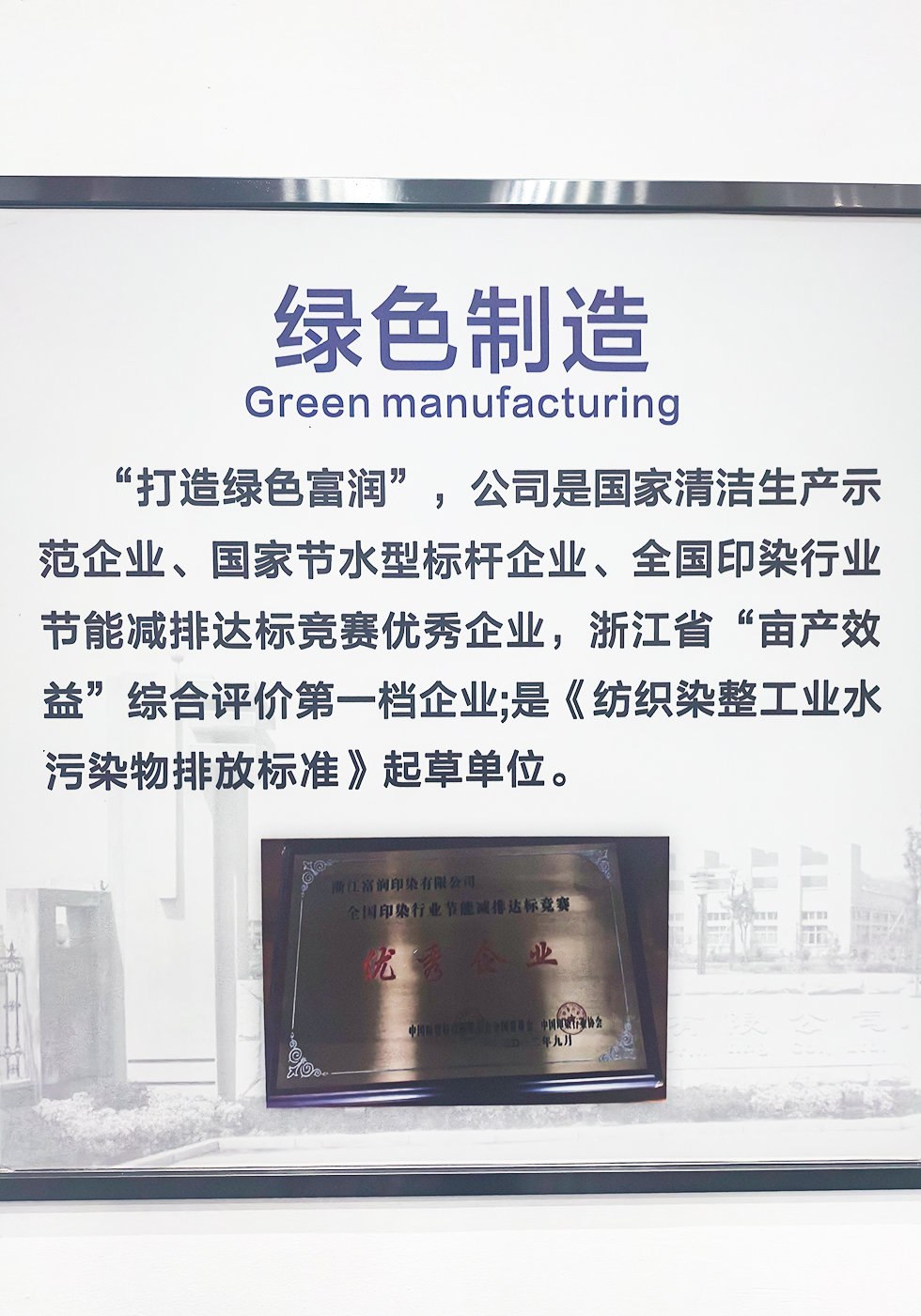
Environmental compliance is another critical pillar for high-volume manufacturing. Modern supply chains demand strict adherence to ecological standards. By integrating eco-friendly, high-strength reactive inks that comply with Oeko-Tex Standard 100, production processes significantly reduce water discharge and chemical waste compared to traditional analog methods. This combination of design freedom, low environmental impact, and agile manufacturing allows brands to respond instantly to fast-moving market trends and secure a distinct competitive edge.
Primary Industrial Applications and Market Segments
High-End Fashion & Apparel Manufacturing: Utilizing soft, skin-friendly digital prints for women's wear, children's clothing, and designer collections requiring intricate patterns.
Home Textiles & Interior Décor: Sourcing durable cotton bases for premium bedding, cushion covers, table linens, and drapery that demand vibrant, long-lasting aesthetics.
Bespoke Corporate Uniforms & Promotional Merchandise: Executing exact brand color matching and custom corporate logos on high-performance cotton substrates.
The true value of 100% Cotton Digital Printing Fabric lies in its remarkable versatility across diverse commercial sectors. Because natural cotton offers exceptional breathability, moisture absorption, and skin-friendly comfort, it serves as an ideal canvas for industries where both tactile quality and visual impact are paramount.
In the fashion and apparel sector, designers frequently leverage digital cotton poplin and twill to bring complex geometric motifs, fine photographic details, and multi-colored seasonal patterns to life without the registration limits of traditional screen printing. For home interiors and furnishing brands, heavyweight cotton canvas and satin variants provide the structural integrity and rich color depth needed for luxury bedding, decorative pillows, and custom drapery. Furthermore, cultural gift industries and corporate clients rely heavily on precise brand color replication for custom merchandise and specialized uniforms.
To support these varied end-uses seamlessly, ShaoxingRuiyin Textile Co., Ltd. integrates design research, advanced digital printing, traditional printing techniques, and specialized finishing processes into a cohesive framework. By combining comprehensive fabric consultation with professional color management, the enterprise ensures that every meter of fabric—whether intended for delicate children's wear or heavy-duty interior décors—meets exact aesthetic and functional requirements from concept to finished product.
Quality Control, Inspection, and Factory Sourcing Standards
Fabric Inspection Protocols: Understanding international grading systems (such as the 4-Point System) applied to every roll of 100% Cotton Digital Printing Fabric before dispatch.
Pre-Shrinkage and Dimensional Stability: Ensuring minimal shrinkage rates during industrial garment manufacturing and end-user laundering.
Direct-from-Mill Advantages: Evaluating production capacity, advanced reactive and pigment printing machinery, and rigorous factory auditing for bulk procurement.
Maintaining consistent quality across large-scale production runs requires meticulous oversight at every stage of the manufacturing cycle. For premium textiles, ensuring that each meter meets strict international standards prevents costly defects during garment assembly or retail distribution.
To guarantee uncompromised quality control and timely delivery, ShaoxingRuiyin Textile Co., Ltd. enforces rigorous inspection protocols spanning raw material sourcing, printing, finishing, and final packaging. Every batch undergoes strict evaluation based on recognized global standards, checking for surface flaws, color uniformity, and structural integrity.
| Inspection & Quality Parameter |
Target Standard / Specification |
Action & Verification Method |
| Surface Defect Grading |
4-Point System (ASTM D5430) |
Comprehensive manual and optical roll inspection |
| Dimensional Stability (Shrinkage) |
Less than 3% (Warp and Weft) |
Controlled pre-shrinkage and steam finishing tests |
| Color Fastness to Washing |
Grade 4 to 5 (ISO 105-C06) |
Standardized laboratory wash fastness testing |
| Color Fastness to Rubbing |
Dry: Grade 4+ / Wet: Grade 3-4 (ISO 105-X12) |
Crockmeter friction testing for dye fixation |
| Ink Safety & Eco-Compliance |
Oeko-Tex Standard 100 Certified |
Laboratory screening for harmful chemical residues |
By handling the entire workflow—from digital color management and rapid proofing to final finishing—within a unified operational setup, the enterprise eliminates communication gaps common in fragmented supply chains. This direct-from-mill advantage ensures that commercial partners receive fully traceable, high-performance fabrics that perform reliably under demanding retail conditions.
Frequently Asked Questions
What is the typical production lead time for bulk orders of 100% Cotton Digital Printing Fabric?
Details on standard sampling times (3–5 days) and mass production turnaround windows (15–25 days) depending on volume.
What is the difference between reactive digital printing and pigment digital printing on cotton?
Comparison of hand-feel, wash durability, and best-fit applications for each printing method.
Can custom Pantone colors and proprietary designs be accurately matched?
Explanation of digital color management systems (CMS) and strike-off sampling procedures to ensure brand color consistency.
What are the standard packaging and shipping methods for international commercial shipments?
Information on roll packaging (polybags and woven outer bags), vacuum packing options, and container loading for sea and air freight.
Navigating custom textile projects often brings up technical and logistical questions. To help clarify how digital textile workflows operate, several common inquiries and specifications are outlined below:
| Technical Inquiry |
Standard Specification / Detail |
Operational Impact |
| Sampling vs. Bulk Lead Time |
Digital Strike-offs: 3 - 5 days
Bulk Production: 15 - 25 days |
Rapid prototyping allows designers to validate patterns quickly before committing to full-scale volume runs. |
| Reactive vs. Pigment Printing |
Reactive: Penetrates deep into fibers, superior wash fastness, ultra-soft hand-feel.
Pigment: Binds to the surface with resin, excellent light fastness, crisp line definition. |
Choosing the right technique depends on whether the end product requires maximum softness (fashion apparel) or structured durability (home decor). |
| Color Matching & Proofing |
ICC color correction paired with digital color management systems (CMS). |
Eliminates discrepancies between on-screen digital graphics and physical printed textiles, ensuring precise Pantone replication. |
| Packaging Standards |
Rolled on sturdy paper cores, sealed in waterproof inner polybags, and protected by durable woven outer layers. |
Safeguards sensitive cotton substrates against moisture and transit friction during international transit. |
For brands and manufacturers seeking tailored solutions, ShaoxingRuiyin Textile Co., Ltd. leverages its integrated technical expertise to address specific project needs. Whether navigating complex multi-color gradients, determining ideal GSM weights, or coordinating flexible order volumes from tens of meters to full container loads, the team provides complete guidance from initial concept to final delivery.
 English
 中文简体
中文简体 Español
 عربى
عربى