Exceptional Performance in Digital Printing: The Role of Monofilament Fabric
In the rapidly evolving landscape of high-end industrial printing, the choice of substrate is often the defining factor between a standard result and a superior, market-ready masterpiece. Monofilament Digital Printing Fabric stands at the forefront of this precision-driven sector, offering an unparalleled combination of durability, ink reception, and dimensional stability. Whether it is for high-precision graphic displays, architectural installations, or complex industrial filtration, this fabric is engineered to maintain its structural integrity under the most demanding tension and environmental conditions.
For those managing expansive printing operations, the consistency of the material is paramount. As an organization that integrates design, research, and high-tech manufacturing, ShaoxingRuiyin Textile Co., Ltd. understands that a successful final product begins at the molecular level of the fabric. Our focus is on providing a foundational substrate that acts as a canvas of perfect uniformity, ensuring that color management and intricate details are translated exactly as envisioned.
Defining Monofilament Digital Printing Fabric
At its core, Monofilament Digital Printing Fabric is defined by its unique fiber structure. Unlike multifilament yarns—which consist of many fine, twisted strands that can trap ink unevenly or fray under high-speed mechanical stress—monofilament yarns are single, continuous strands of synthetic polymer.
This singular structure results in a exceptionally smooth surface profile. When this fabric undergoes the digital printing process, the ink does not wick along twisted fibers; instead, it rests precisely where intended. ShaoxingRuiyin Textile Co., Ltd. prioritizes this structural purity, as it allows for:
Optimal Ink Anchoring: The lack of capillary action between twisted fibers prevents blurring, ensuring razor-sharp edges even in the most intricate designs.
Uniform Porosity: For backlit signage or filtration applications, the precise spacing between monofilament strands ensures even light diffusion or fluid flow, eliminating hot spots or irregular filtration rates.
Structural Reliability: These fabrics resist elongation and distortion, providing the dimensional stability required for large-format projects that demand perfect pattern registration across multiple panels.
Key Technical Specifications and Performance Parameters
To achieve consistent industrial output, it is essential to evaluate the technical properties of the chosen fabric. The following table highlights the critical parameters that differentiate high-quality Monofilament Digital Printing Fabric from conventional alternatives, reflecting the rigorous standards upheld at our production facilities.
| Technical Parameter |
Standard Fabric |
Monofilament Printing Fabric |
| Fiber Structure |
Multifilament (twisted) |
Single Continuous Filament |
| Surface Smoothness |
Moderate (subject to fiber fray) |
High (ultra-flat finish) |
| Dimensional Stability |
Prone to stretching |
Highly stable under tension |
| Ink Dispersion |
Variable/Wicking |
Precise/High-Resolution |
| Tensile Strength |
Varies by weave tightness |
High and consistent |
By maintaining strict control over these metrics, ShaoxingRuiyin Textile Co., Ltd. ensures that every batch offers the same reliable performance, allowing for a seamless transition from the initial design proofing to the final full-scale production run.
Industrial Applications and Performance Requirements
The versatility of Monofilament Digital Printing Fabric extends across a multitude of sectors where performance cannot be compromised. In large-scale signage and high-visibility displays, the fabric serves as a high-tensile substrate that can withstand extreme weather and high-tension mounting systems without losing its shape.
In more specialized environments, such as high-resolution textile graphics or industrial filtration, the fabric’s heat-set properties become vital. At ShaoxingRuiyin Textile Co., Ltd., we utilize advanced thermal stabilization processes to ensure that the fabric remains inert during the printing and drying phases. This prevents any thermal shrinkage, which is a common failure point in inferior printing materials. Our one-stop service model, which covers everything from initial fabric consultation to the final finishing process, ensures that the chosen Monofilament Digital Printing Fabric is perfectly matched to its intended operating environment, whether it requires outdoor weather resistance or indoor high-resolution clarity.
Quality Control in Monofilament Digital Printing Fabric Production
The transformation of raw polymer into a premium digital printing substrate requires a sophisticated balance of advanced machinery and human expertise. At ShaoxingRuiyin Textile Co., Ltd., we treat quality control as an ongoing, iterative process rather than a final check.
Our production protocols begin with the rigorous selection of raw materials, ensuring that only eco-friendly, high-strength yarns are introduced to our weaving looms. Throughout the weaving process, automated tension control systems monitor every warp and weft thread in real-time. This level of precision is critical, as a deviation of even a few microns in yarn diameter can disrupt the ink absorption rate.
Furthermore, our team integrates professional color management—utilizing ICC color correction—directly into our fabric workflow. This guarantees that the design intent is preserved from the digital file, through the proofing stage, to the finished textile. By managing these variables in-house, we provide a degree of predictability and repeatability that simplifies large-scale project planning, helping ensure that market opportunities are seized without delay.
The Strategic Advantages of Direct Manufacturing Partnerships
In the world of high-end printing, the supply chain is often as important as the fabric itself. Relying on a fragmented process—where fabric is sourced from one vendor, tested by another, and printed by a third—introduces variables that can compromise the integrity of a final product. This is why many professionals in the fashion, home decoration, and sports industries are shifting toward integrated production models. By working with a partner like ShaoxingRuiyin Textile Co., Ltd., which oversees the entire service chain from conceptual R&D to final finishing, the risks associated with misaligned specifications are virtually eliminated.
When sourcing Monofilament Digital Printing Fabric, the primary goal is consistency. Whether you require a specialized batch for a high-visibility outdoor installation or a consistent stream of material for ongoing home textile production, the manufacturing facility must be able to adapt. Our internal infrastructure allows us to bridge the gap between design vision and physical reality through rapid, flexible production capabilities. We are equipped to handle projects ranging from initial design proofing of a few meters to large-scale runs, ensuring that the same quality benchmarks are met at every stage.
Why Precision Matters: Comparing Production Standards
To understand why a dedicated manufacturing approach is superior, one must look at how standard materials compare to those produced under strict, unified quality control. The following comparison illustrates the benefits of specialized production in achieving the desired output for demanding applications.
| Production Factor |
General Market Sourcing |
ShaoxingRuiyin Textile Co., Ltd. Integrated Production |
| Material Consistency |
High variance between batches |
Controlled, repeatable standards |
| Color Calibration |
Manual/Estimated |
ICC-standardized color management |
| Response Time |
Long lead times for adjustments |
Rapid proofing and agile iteration |
| Environmental Compliance |
Variable adherence |
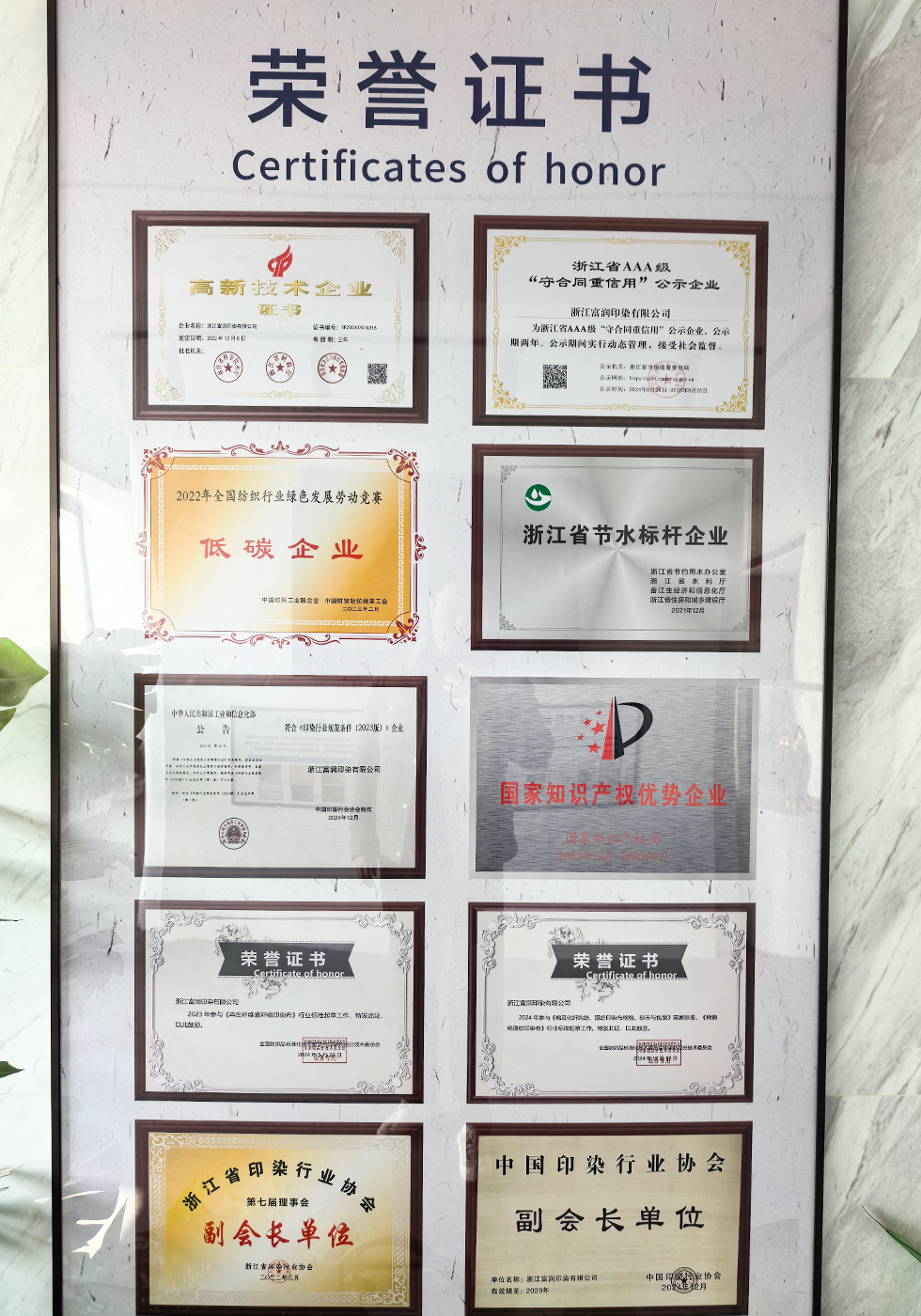
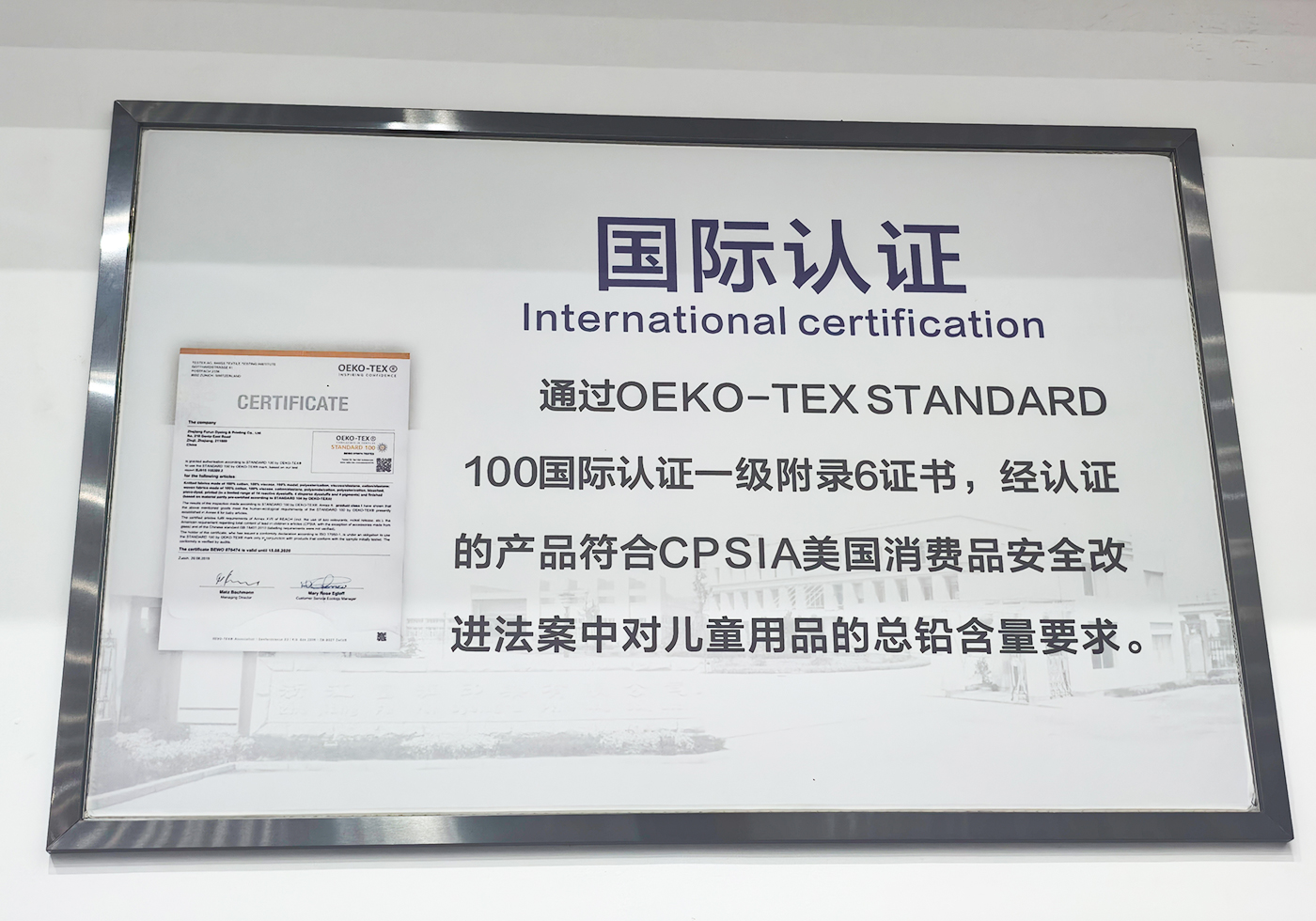
Oeko-Tex Standard 100 compliance |
| Technical Support |
Limited to product supply |
Full fabric consultation and R&D support |
Beyond these technical benchmarks, the true value of an integrated partner lies in their ability to provide custom solutions. At ShaoxingRuiyin Textile Co., Ltd., we recognize that Monofilament Digital Printing Fabric is not a one-size-fits-all product. Our technical teams analyze the final application—be it a backlit display that requires specific light diffusion properties or a durable sports textile that demands high abrasion resistance—to recommend the most suitable base fabric and printing technique. This consultative approach ensures that your investments are directed toward materials that offer the highest return in longevity and visual performance.
Sustaining Innovation and Quality
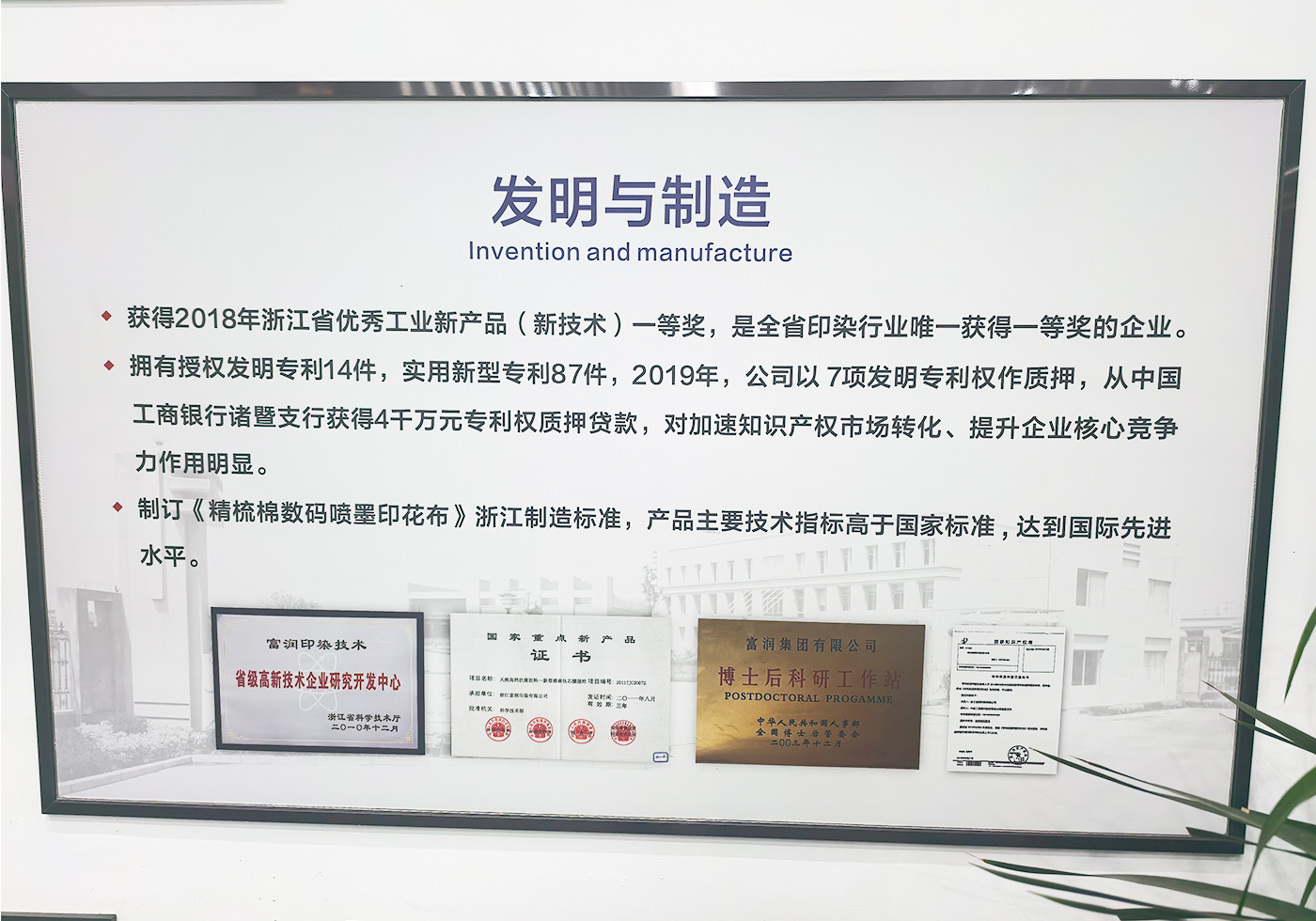
The industry demands constant evolution, and the ability to stay ahead of color trends and pattern innovations is what separates a standard supplier from a strategic partner. We maintain a focus on innovation-driven growth, continuously investing in new technology research and development. This allows us to offer not just the Monofilament Digital Printing Fabric itself, but also the technical insights required to push the boundaries of what is possible in digital and traditional printing.
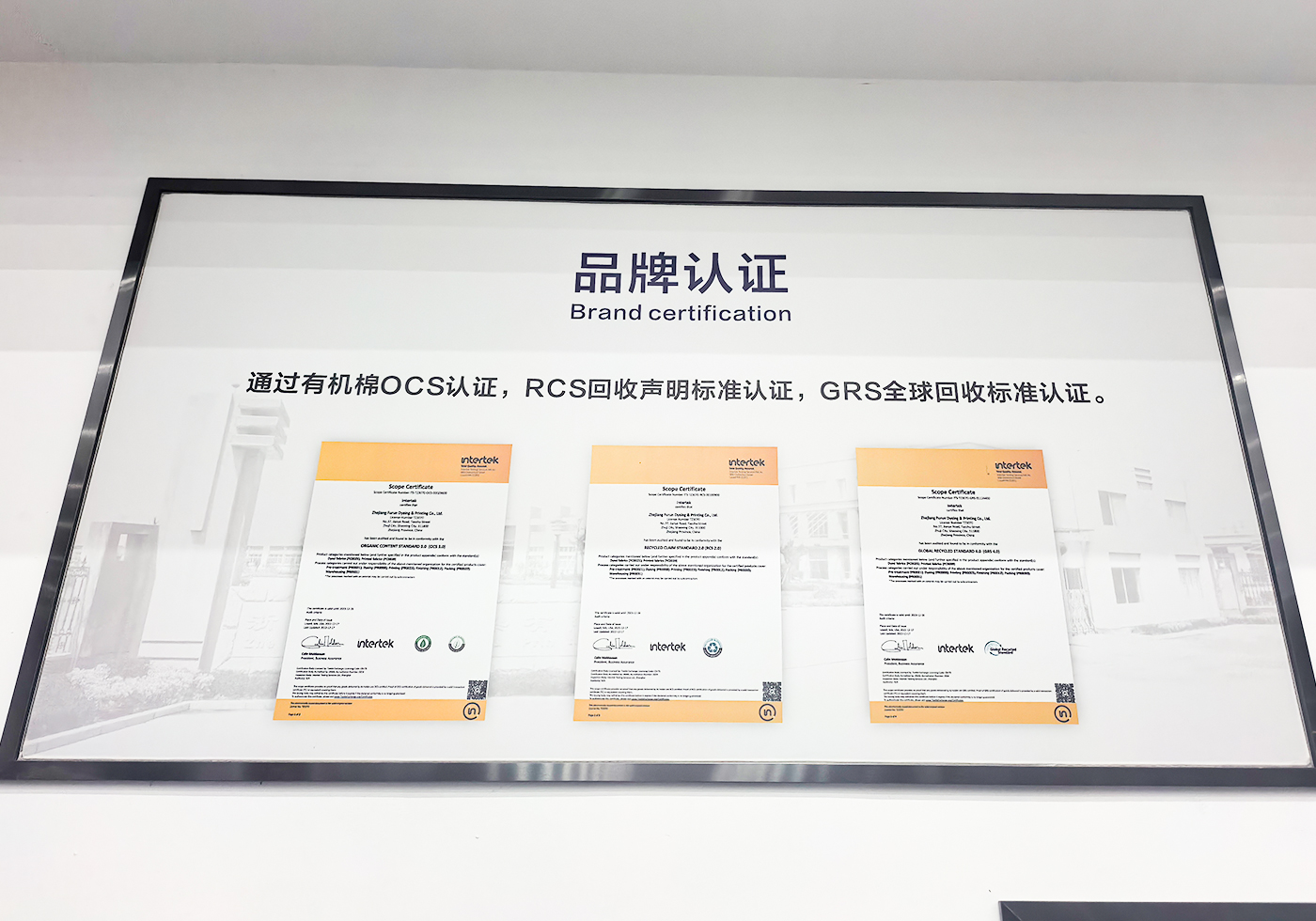
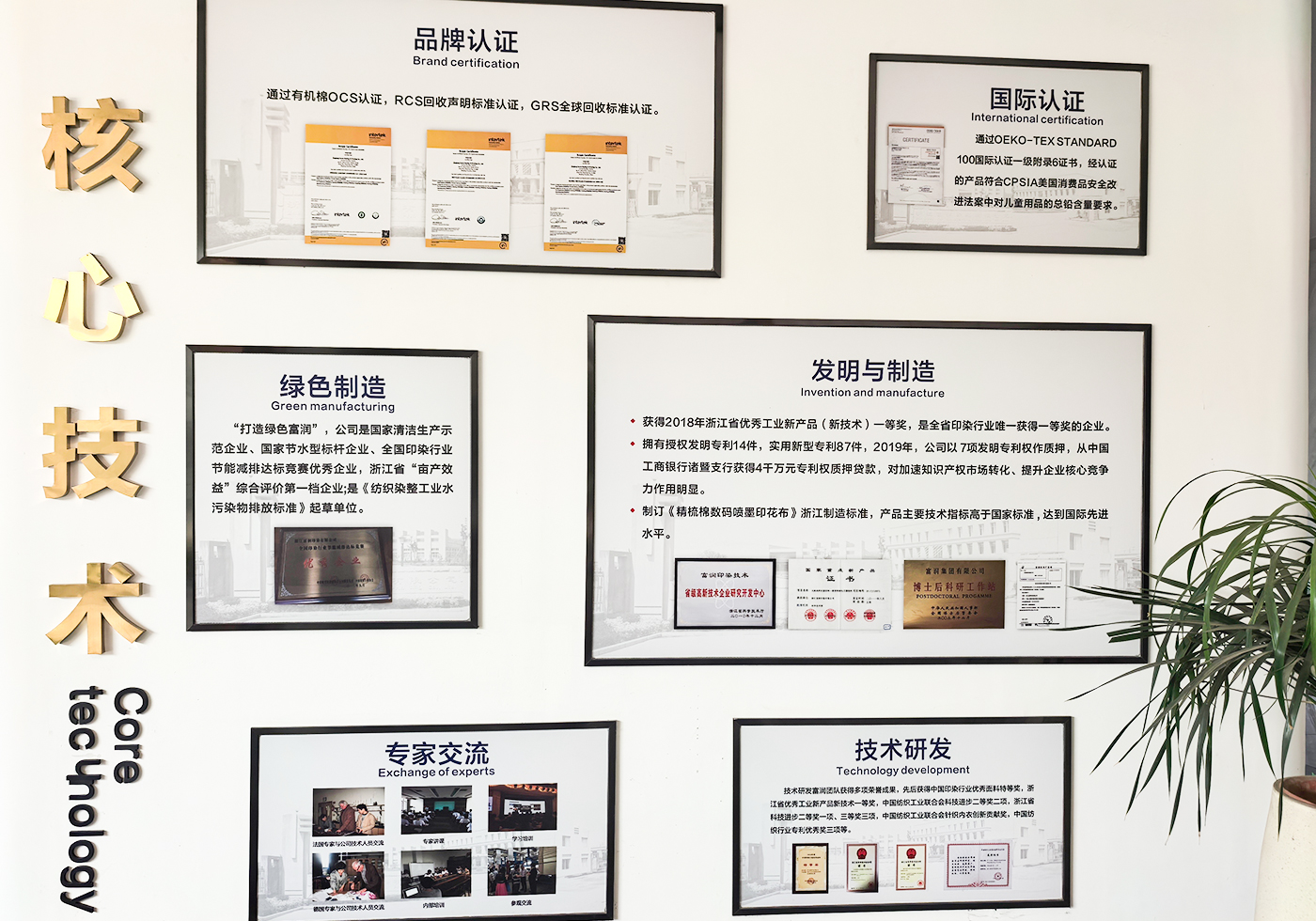
By implementing strict quality inspection standards from the raw material stage through to the final product delivery, we eliminate the common frustrations associated with inconsistent substrate quality. Our commitment to Oeko-Tex Standard 100 compliance also means that safety and environmental considerations are embedded into our manufacturing fabric. This comprehensive approach is designed for those who view every piece of textile as a critical starting point for their final high-quality creations, ensuring that the final output is as functional as it is aesthetic. Through our flexible supply chain, we act as an extension of your own R&D team, ensuring that you can respond to market demands with speed and absolute confidence in your materials.
Frequently Asked Questions (FAQ) & Technical Insights
When integrating high-performance textiles into complex printing and industrial workflows, operational questions frequently arise. Below are detailed insights addressing the technical and practical aspects of working with Monofilament Digital Printing Fabric, based on decades of manufacturing and application expertise.
What is the difference between multifilament and Monofilament Digital Printing Fabric in high-speed printing?
The fundamental difference lies in the fiber architecture. Multifilament yarns consist of multiple twisted strands, which naturally create microscopic capillary channels. During high-speed printing, these channels can cause ink wicking, leading to blurred edges and loss of fine detail. In contrast, Monofilament Digital Printing Fabric uses a single, continuous synthetic extrusion. This solid profile prevents lateral wicking, ensuring that UV, latex, or solvent inks land precisely where targeted, yielding superior edge definition and color accuracy.
How does mesh tension affect the registration and lifespan of the fabric?
Mesh tension is the critical variable that governs dimensional stability during high-tension stretching and mounting. If a fabric has a low or inconsistent tensile threshold, it will warp under repeated mechanical stress or environmental fluctuations, resulting in misregistration across multi-panel graphics. High-grade Monofilament Digital Printing Fabric engineered by ShaoxingRuiyin Textile Co., Ltd. undergoes specialized heat-setting processes to lock the weave in place. This minimizes elongation rates, maintaining precise graphic alignment and extending the functional lifespan of the installation.
What are the standard roll sizes and custom packaging options available for bulk orders?
Operational efficiency relies heavily on how materials are delivered to the production floor. Standard roll widths typically range from 160 cm to 320 cm, with continuous lengths optimized for large-format machinery. However, project requirements vary widely across the fashion, home decoration, and industrial sectors. Through our flexible production model, ShaoxingRuiyin Textile Co., Ltd. accommodates custom roll lengths, specific core diameters, and specialized protective packaging designed to prevent transit damage and moisture degradation during international shipping.
How do environmental storage conditions impact the longevity and performance of the fabric prior to use?
Even the highest-quality substrate can suffer if exposed to improper storage conditions before printing. Synthetic monofilament fibers are largely moisture-resistant, but prolonged exposure to extreme ultraviolet radiation or fluctuating temperatures can compromise surface treatments and thermal stability. To preserve optimal ink adhesion and antistatic properties, we recommend storing rolls in a climate-controlled environment between 15°C and 25°C with relative humidity kept below 65%.
By maintaining clear communication and rigorous quality protocols from raw material selection to final delivery, ShaoxingRuiyin Textile Co., Ltd. ensures that every technical inquiry is met with actionable, reliable solutions.
 English
 中文简体
中文简体 Español
 عربى
عربى