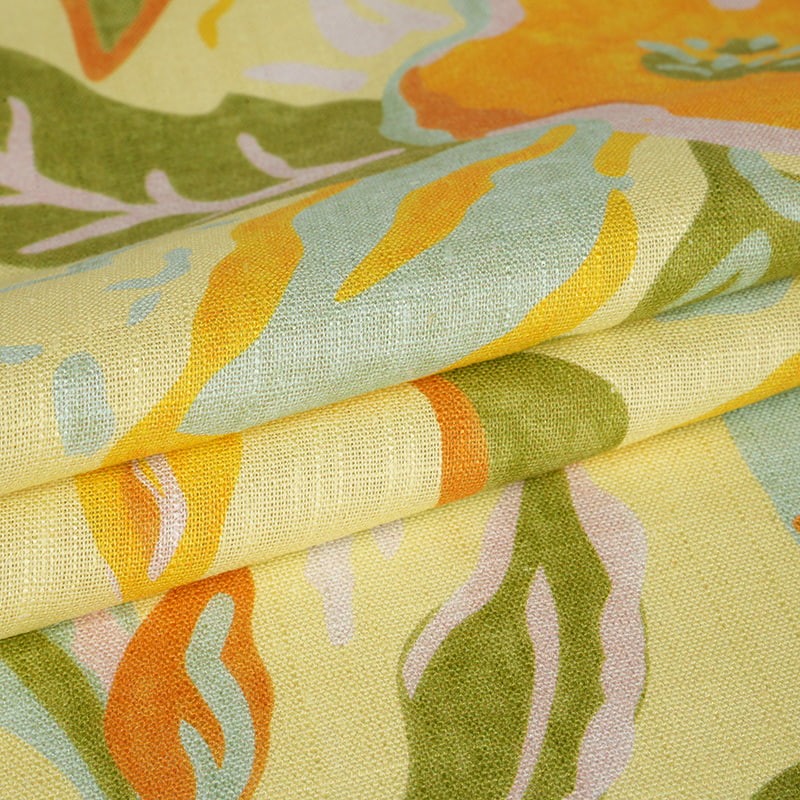
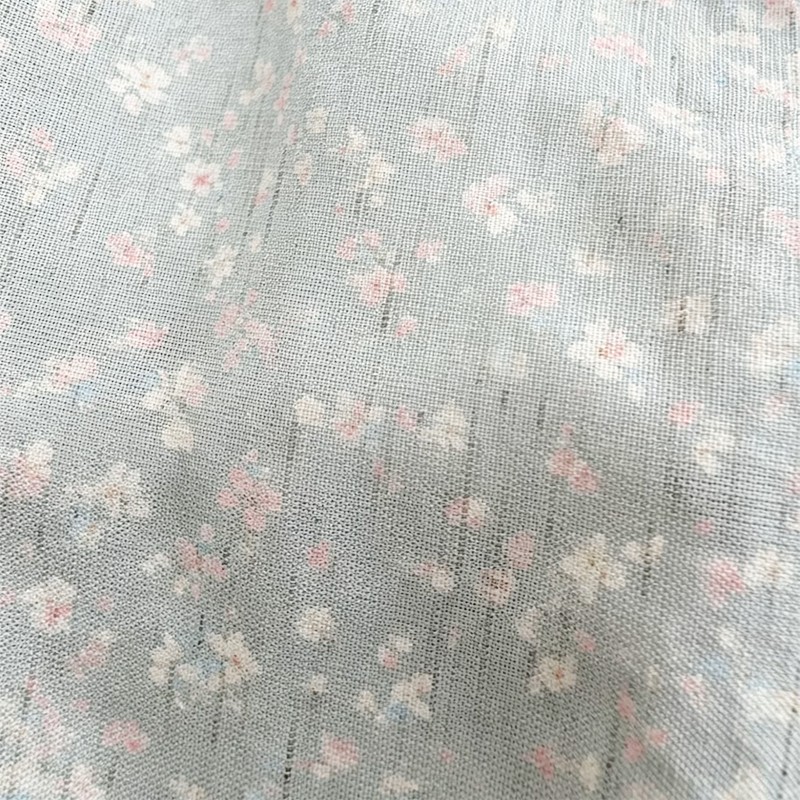
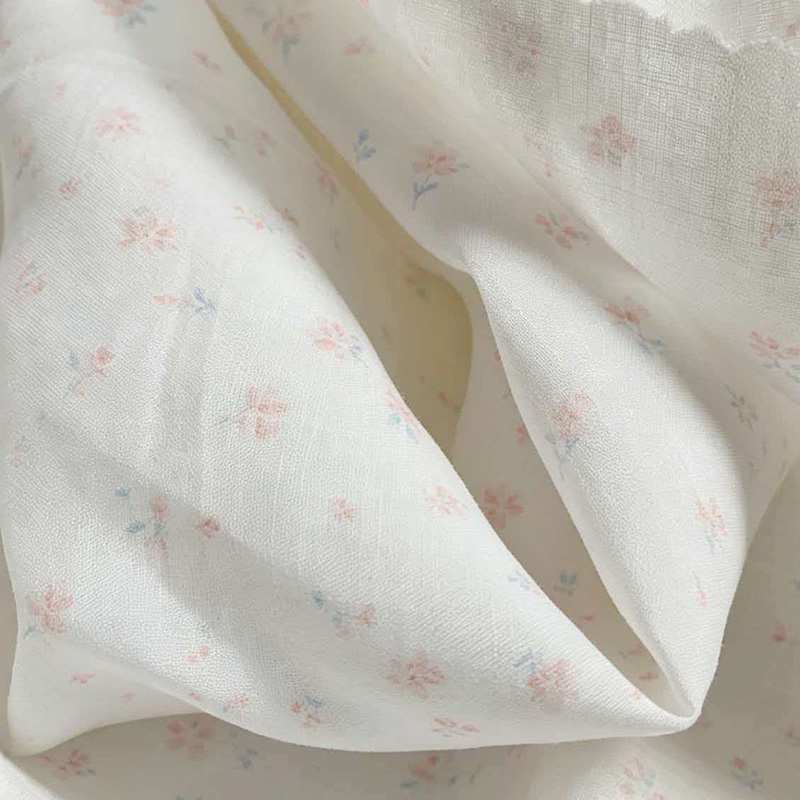
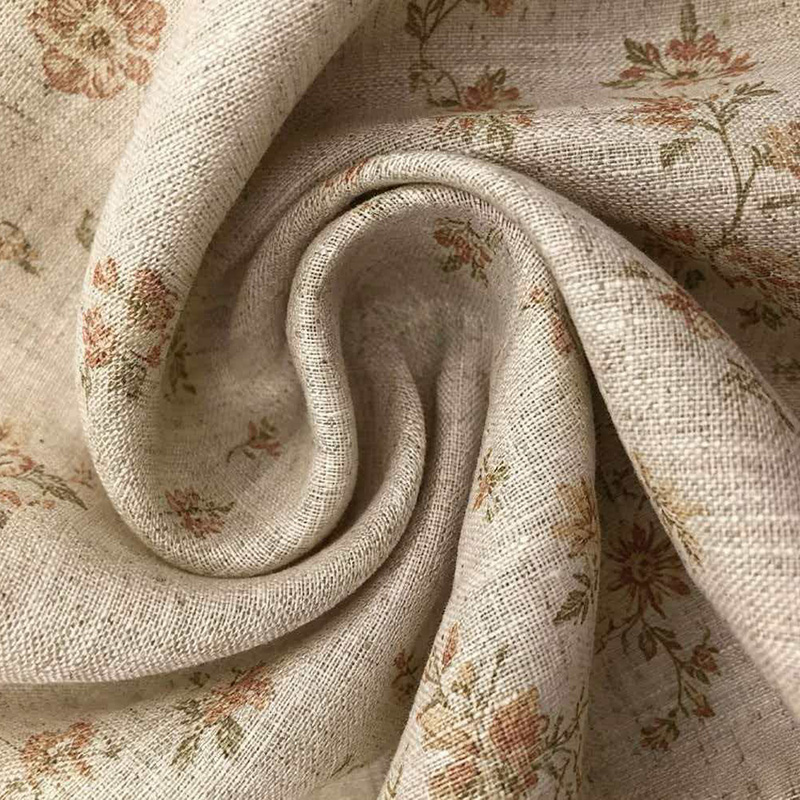
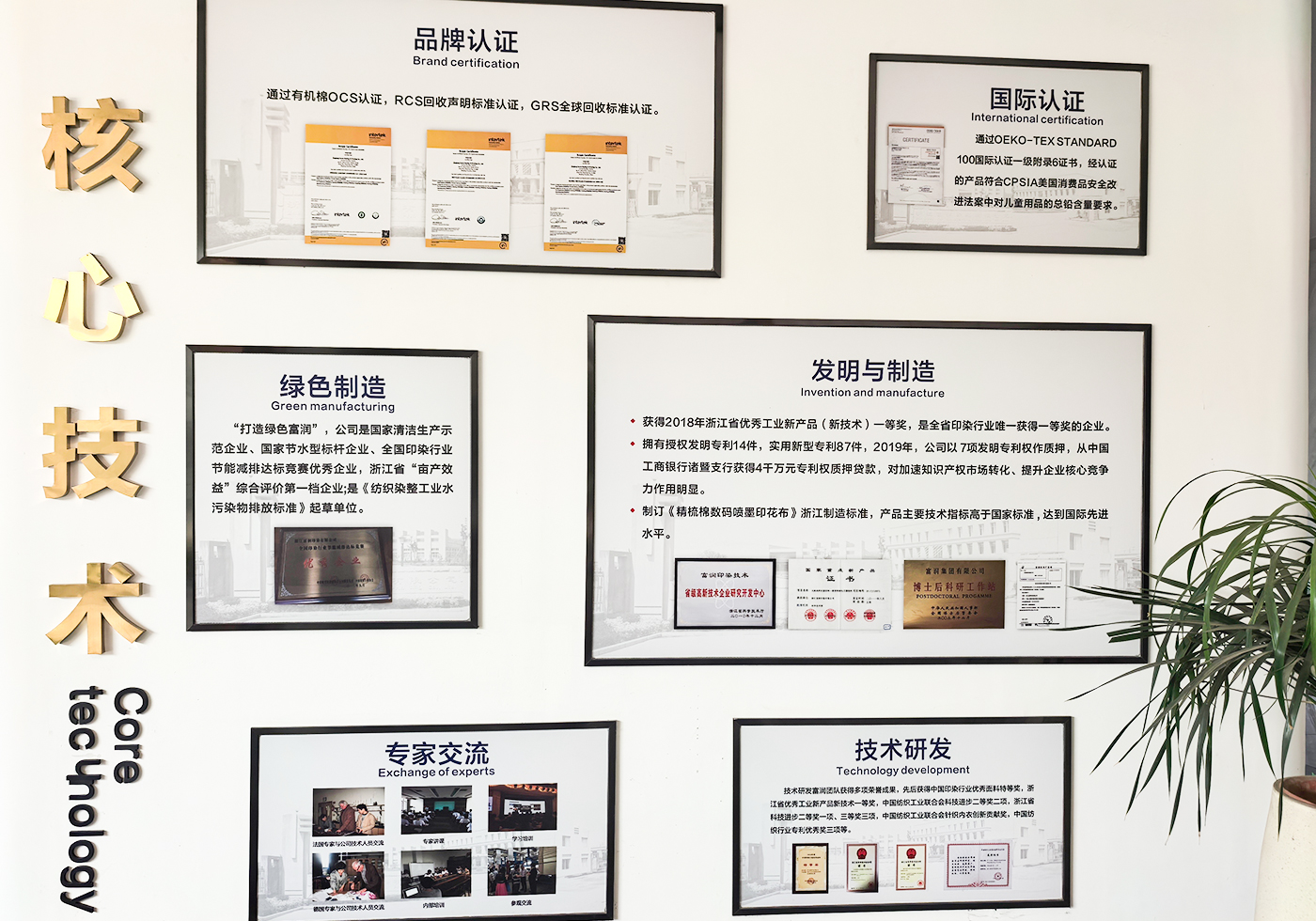
Understanding Linen Digital Printing Fabric and Modern Textile Manufacturing
The marriage of natural elegance and advanced textile engineering has fundamentally redefined what is possible in today’s highly competitive design landscape. Linen, a fiber cherished for centuries for its unique tactile profile, exceptional breathability, and rustic charm, has officially entered a new era of versatility through sophisticated manufacturing techniques. Historically, achieving intricate, multi-color patterns on natural fibers required labor-intensive rotary screen printing, which demanded massive minimum volumes and heavily limited the creative scope for designers, brands, and large-scale product developers.
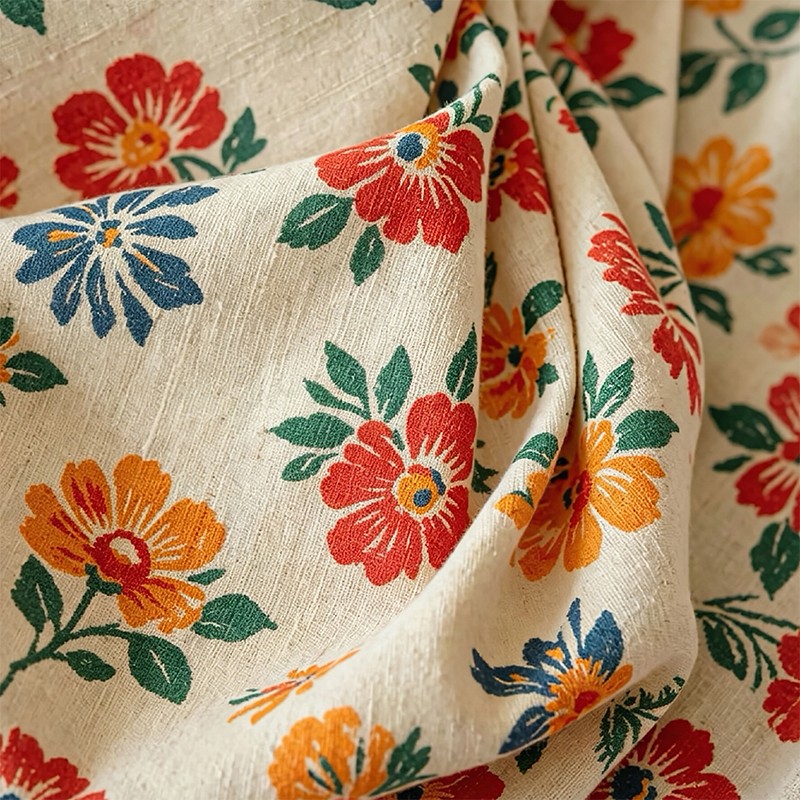
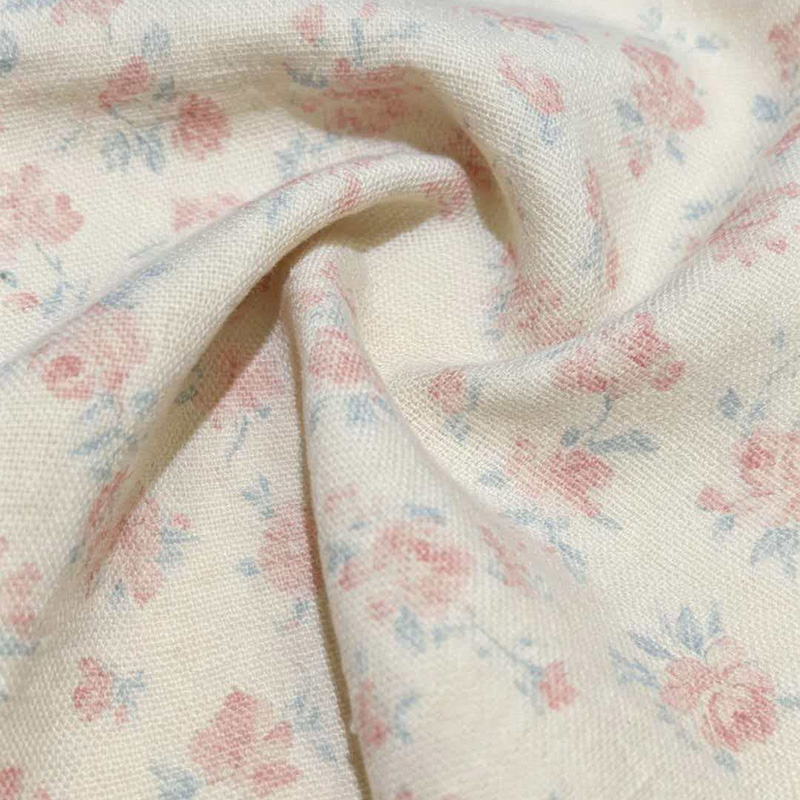
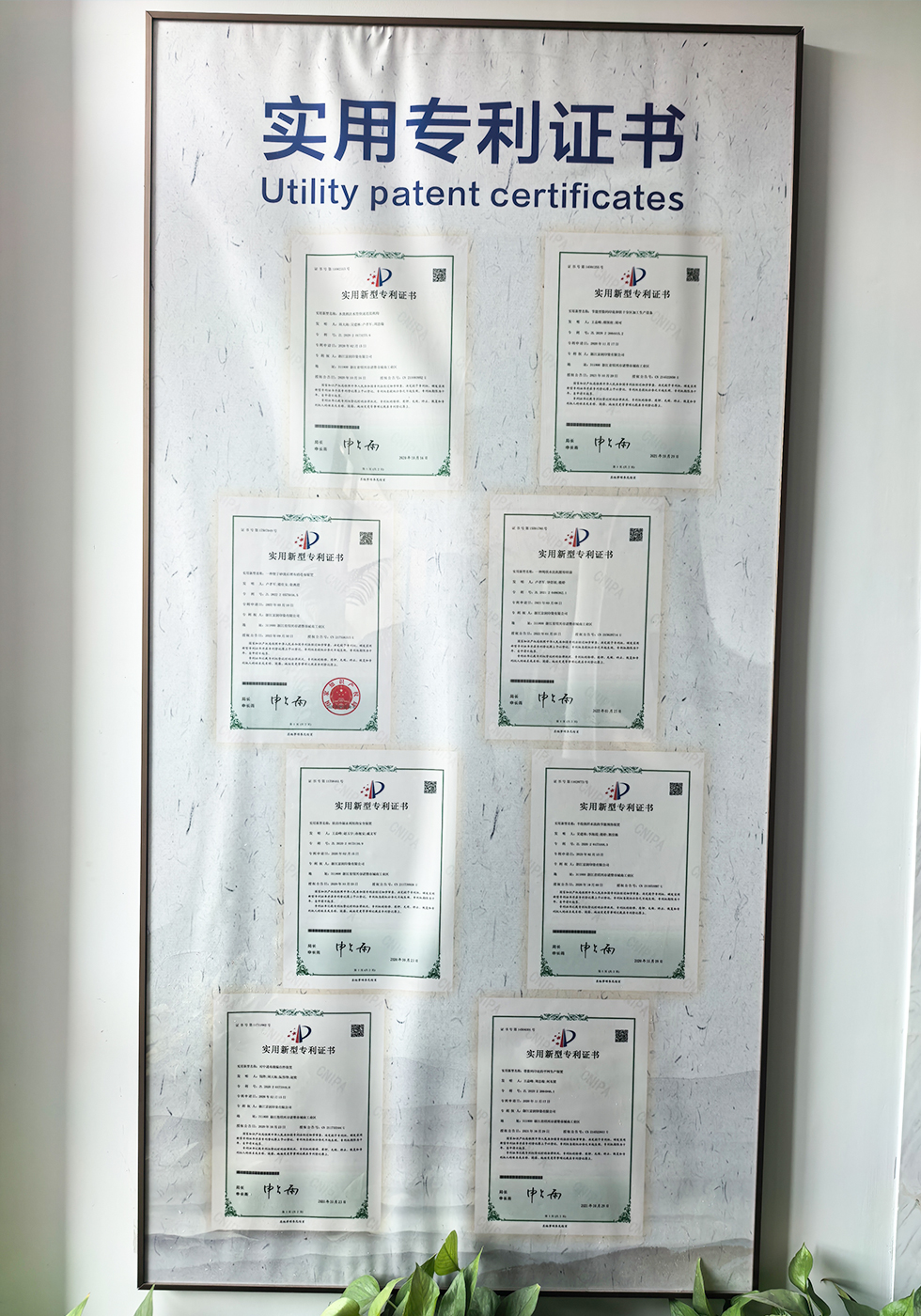
However, the definitive industry transition from traditional mechanical printing to high-definition digital inkjet technology has completely altered this dynamic. By seamlessly integrating design research and development, cutting-edge digital output, and specialized finishing processes, modern manufacturers like ShaoxingRuiyin Textile Co., Ltd. now provide a comprehensive, one-stop fabric solution that bridges the critical gap between initial conceptualization and finished commercial product. This technological shift allows for the precise, vibrant reproduction of complex artwork directly onto natural linen, transforming a classic base material into a modern canvas for limitless artistic and commercial creativity. For those navigating the complexities of large-scale production, moving toward high-performance linen digital printing fabric ensures that natural luxury is continually matched by the speed, consistency, and absolute accuracy of contemporary industrial capabilities.
The Intersection of Natural Elegance and Advanced Technology
Overview of how traditional linen meets cutting-edge textile engineering: Blending centuries-old natural fibers with state-of-the-art digital infrastructure to achieve unprecedented aesthetic precision.
Why Digital Printing is Revolutionizing Linen Production
Transition from traditional rotary screen printing to high-definition digital inkjet technology: Eliminating costly physical engraving plates, enabling unlimited color variations, and supporting rapid on-demand customization.
Purpose of This Guide
Equipping global brand owners, apparel manufacturers, and textile wholesalers with technical insights for sourcing high-performance linen digital printing fabric: Delivering deep manufacturing knowledge to optimize design execution, quality control, and supply chain efficiency.
Understanding Linen Digital Printing Fabric: Specifications and Core Properties
Long-term success in utilizing natural textiles starts with a deep, technical understanding of the substrate itself. Unlike uniform synthetic materials, linen possesses a unique cellular structure governed by natural flax fibers, which dictates how it interacts with liquid dyes, moisture, and digital inks.
The Anatomy of Pure and Blended Linen Substrates
Breaking down weight specifications (GSM ranges from lightweight 120 GSM to heavy-duty 300+ GSM): Evaluating how different grammages dictate structural drape, opacity, and performance suitability.
| Substrate Category |
Weight Range (GSM) |
Primary End-Use Applications |
Hand-Feel & Drape Characteristics |
Ink Penetration Profile |
| Lightweight Linen |
120 – 150 GSM |
Summer apparel, resort wear, scarves, lightweight blouses |
Soft, fluid, slightly sheer with an airy drape |
High absorption, excellent translucency for double-sided aesthetics |
| Mid-Weight Linen |
160 – 200 GSM |
Casual trousers, dresses, shirts, luxury table linens |
Balanced, structured, and comfortably crisp |
Moderate-to-high saturation with a crisp exterior finish |
| Heavy-Duty Linen |
220+ GSM |
Upholstery, heavy drapery, tote bags, structured home decor |
Firm, highly durable, robust with substantial gravity |
Surface-focused bonding with maximum opacity and deep color density |
Key Technical Characteristics
Breathability, moisture absorption, and thermal regulation: Maintaining organic comfort metrics through careful fiber processing.
Tensile strength, durability, and natural drape: Preserving the inherent structural integrity of raw flax during industrial handling.
Pre-Treatment and Coating Science
How fabric preparation ensures optimal ink penetration and color fastness on linen digital printing fabric: Applying specialized chemical sizing to control capillary action and prevent dye bleeding.
Advanced Digital Printing Technologies Applied to Linen
The overall quality and commercial viability of a printed textile are largely determined by the complex harmony between advanced ink chemistry and meticulous fiber preparation. Direct-to-fabric inkjet printing stands firmly at the forefront of this industrial evolution, enabling a level of graphical precision that was once considered impossible on natural woven surfaces.
Direct-to-Fabric Inkjet Printing
Highlighting precision, fine-line reproduction, and complex multi-color pattern capabilities: Utilizing high-frequency piezoelectric printheads to deliver microscopic droplets directly into the linen matrix.
Reactive vs. Pigment vs. Disperse Printing Methods
Matching the right ink chemistry to the specific fiber composition: Selecting reactive inks for permanent covalent bonding on pure linen or pigment inks for efficient lightfast performance.
Achieving optimal hand-feel and wash durability: Balancing chemical fixation to maintain softness while securing maximum resistance to laundering wear.
Color Management and Resolution
Maintaining high-definition vibrancy across variable natural fiber textures: Utilizing advanced ICC color correction profiles to compensate for baseline fiber inconsistencies and ensure absolute visual fidelity.
Customization Capabilities: Tailoring Designs for Global Brands
The contemporary global market demands uncompromising agility and structural precision. Customization is no longer simply about printing an attractive pattern; it requires ensuring that the precise vision of a brand or designer is executed with absolute fidelity across thousands of meters of fabric.
Pantone and Custom Color Matching
Ensuring exact brand color consistency across large dye lots: Deploying spectrophotometer matching and digital formulation systems to eliminate hue variations between production batches.
Pattern Scalability and Repeat Options
Seamless geometric, botanical, and abstract prints designed for apparel and home textiles: Digitally aligning vector and raster pattern repeats to minimize material waste and maintain continuous visual flow.
Sample Prototyping
Streamlining the proofing process before committing to full-scale commercial production runs: Utilizing rapid digital proofing services provided by ShaoxingRuiyin Textile Co., Ltd. to validate colors, shrinkage, and drape prior to bulk manufacturing.
Primary Commercial Applications for Volume Buyers
The practical utility of linen digital printing fabric spans multiple demanding industries, each requiring a careful balance of aesthetic refinement and mechanical durability.
Apparel and Fashion Manufacturing
Utilizing linen digital printing fabric for summer collections, resort wear, dresses, and lightweight tailoring: Capitalizing on natural cooling properties and rapid design turnaround to capture fast-moving seasonal trends.
Home Textiles and Interior Design
Applications in drapery, upholstery, cushion covers, and luxury table linens: Providing interior decorators with heavy-duty textured canvases capable of withstanding prolonged physical use while maintaining luxurious visual appeal.
Boutique Accessories and Crafting
Specialty uses requiring unique, short-run, high-margin decorative textiles: Supplying premium materials for artisanal packaging, high-end tote bags, and custom lifestyle products.
Quality Control Standards and Factory Compliance
In commercial manufacturing, the quality of linen digital printing fabric is measured by much more than its immediate visual appeal; it is fundamentally defined by safety, regulatory compliance, structural endurance, and eco-friendly responsibility.
Rigorous Testing Protocols
Color fastness to washing, rubbing (wet and dry), and light exposure: Subjecting finished prints to standardized simulation tests to guarantee long-term resistance to fading and friction.
Dimensional stability (shrinkage control testing): Applying pre-shrinking and steam-finishing treatments to ensure garments and furnishings retain their exact dimensions after repeated care cycles.
Eco-Friendly and Sustainable Certifications
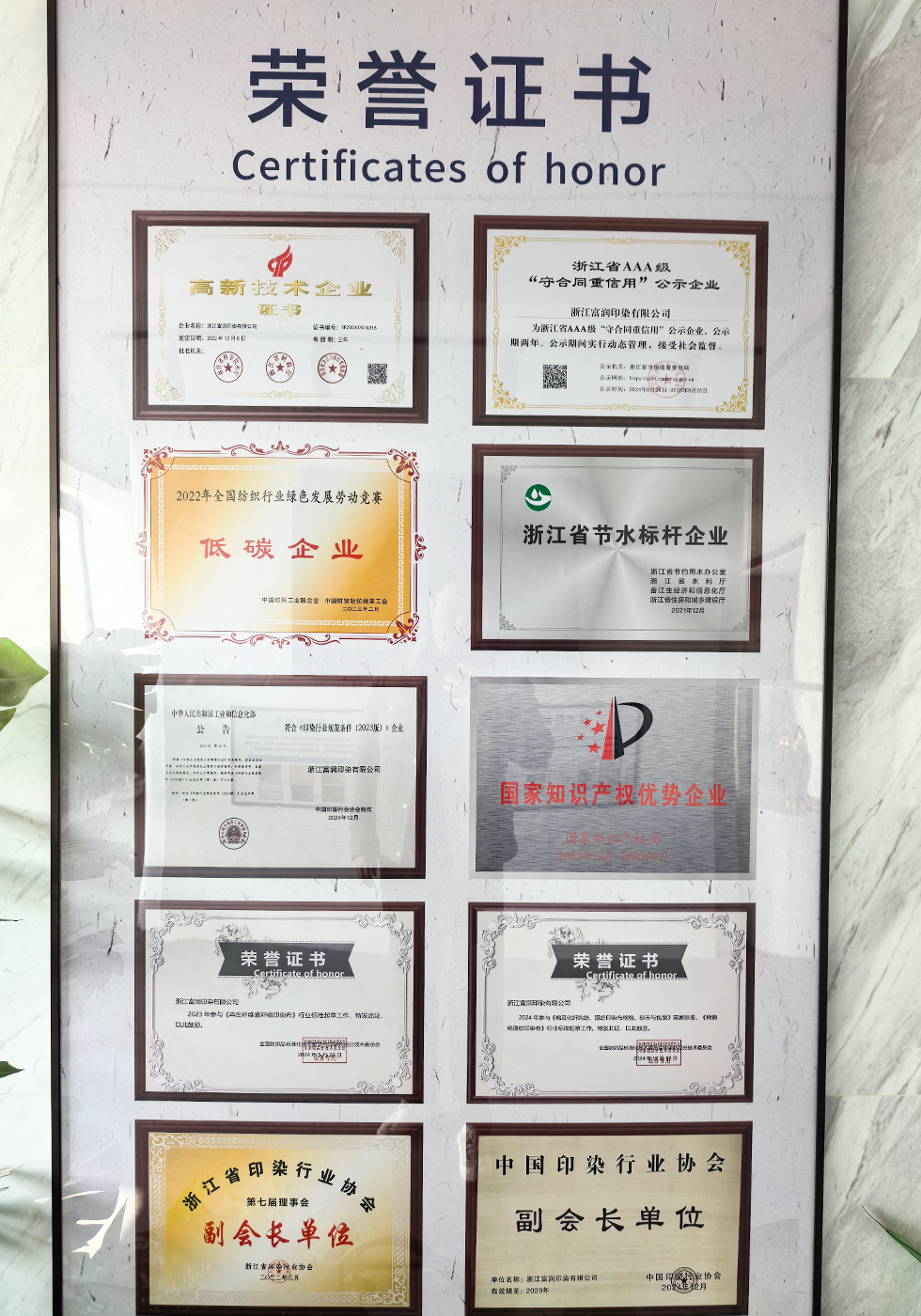
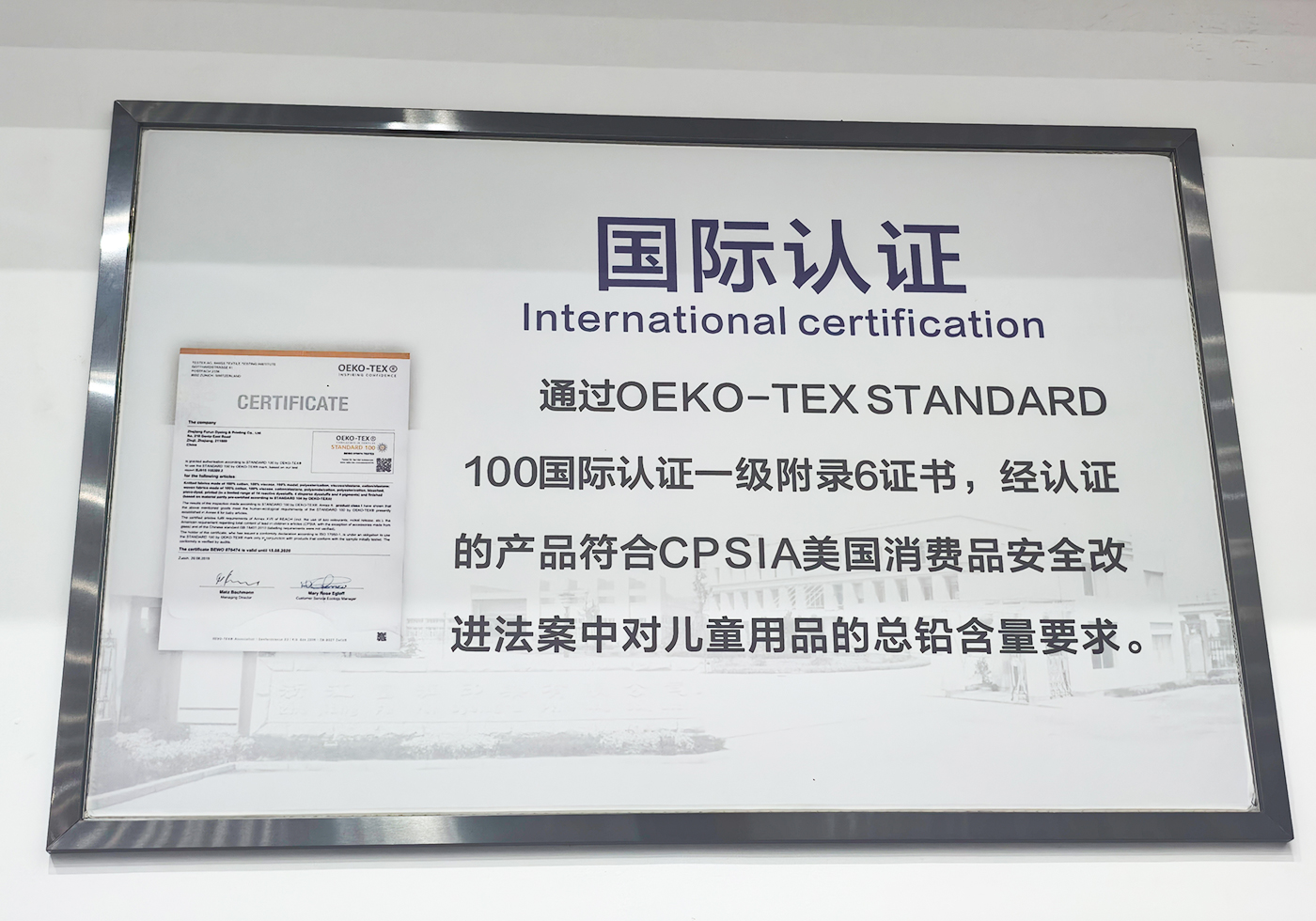
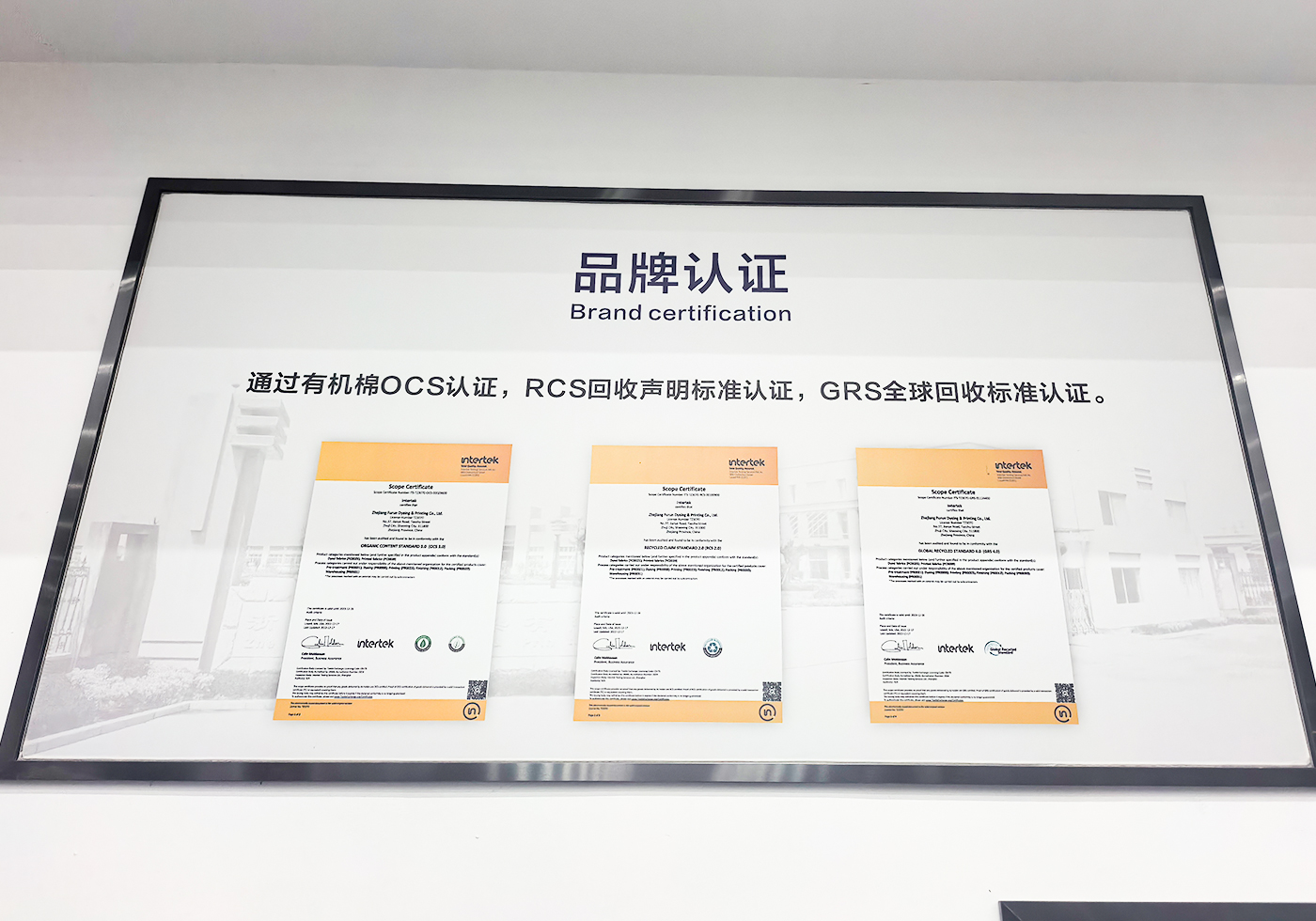
Compliance with OEKO-TEX Standard 100, GOTS (Global Organic Textile Standard), and REACH regulations: Utilizing eco-friendly, high-strength dyes and inks to ensure human safety and strict environmental alignment.
Factory-Direct Inspection Processes
How automated optical inspection and manual checks eliminate defects prior to export: Integrating real-time scanning technology across the production line to catch micro-imperfections before final roll-packing.
Sourcing Direct: What Large-Scale Buyers Must Evaluate
When scaling production volumes across international borders, the relationship between the brand and the manufacturing partner is a critical determinant of long-term success. Evaluating a direct production partner requires looking far beyond initial unit pricing to assess supply chain resilience, operational transparency, and structural adaptability.
MOQ (Minimum Order Quantities) and Scalability
Balancing custom print runs with cost efficiency: Leveraging flexible manufacturing models to transition seamlessly from low-meterage test sampling to large-scale industrial volume production.
Lead Times and Global Logistics
Production schedules, roll-packing specifications, and secure container shipping for linen digital printing fabric: Ensuring that sensitive textiles are protected with moisture-barrier packaging and delivered according to transparent timelines.
Cost-Benefit Analysis of Direct Factory Partnerships
Eliminating middlemen to secure competitive tiered pricing for volume orders: Partnering directly with ShaoxingRuiyin Textile Co., Ltd. to access comprehensive full-process supply chain services, from initial fabric consultation to final export delivery.
Frequently Asked Questions (FAQ) and Technical Insights
What is the typical lead time for custom-printed volume orders of linen digital printing fabric?
Details on sample approval timelines, production runs, and freight dispatch: Overview of how rapid digital proofing timelines feed directly into streamlined bulk manufacturing schedules.
How does digital printing affect the natural hand-feel and shrinkage of linen?
Explanations of post-treatment softening processes and pre-shrinking techniques: How precise ink penetration and mechanical softening prevent stiff surface coatings while stabilizing dimensional integrity.
What are the minimum order quantities (MOQ) for custom pattern designs?
Guidance on per-design vs. per-colorway requirements for commercial clients: Exploring how scalable digital operations accommodate both low-meterage testing runs and massive commercial output requirements.
How do I care for and maintain products made from digitally printed linen?
Recommended washing temperatures, detergent choices, and commercial laundering guidelines: Best practices involving cool-water cycles, mild pH-neutral detergents, and avoiding high-heat tumble drying.
Can linen blends (e.g., linen-cotton or linen-viscose) achieve the same print clarity as 100% pure linen?
A technical comparison of fiber absorbency and ink fixation across blended substrates: How professional fabric consultation matches reactive or pigment ink chemistries to specific fiber ratios for optimal sharpness.
 English
 中文简体
中文简体 Español
 عربى
عربى