The Evolution of Textile Aesthetics: What is Reactive Printing Fabric?
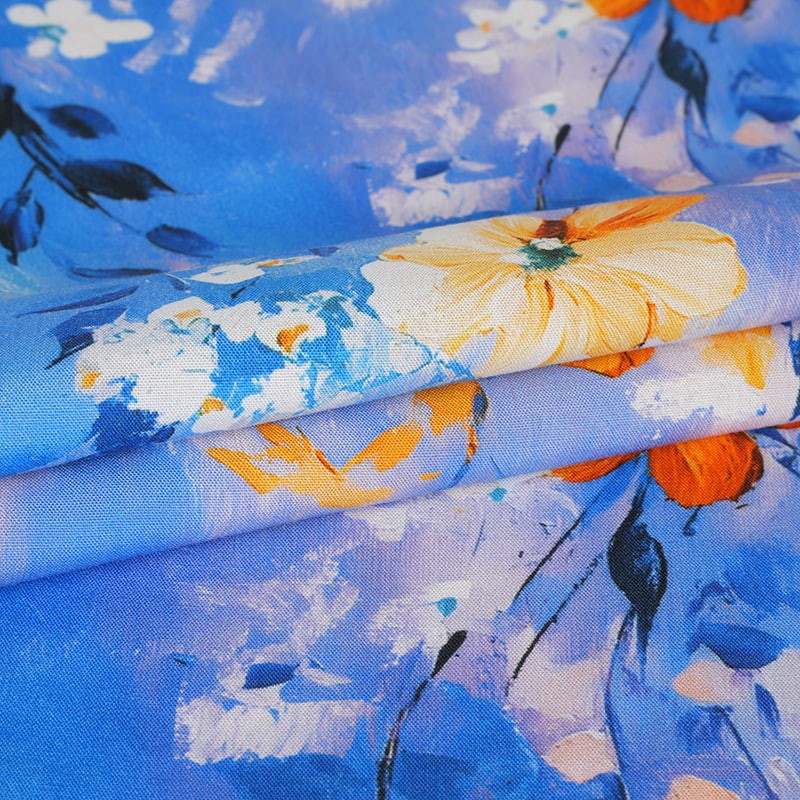
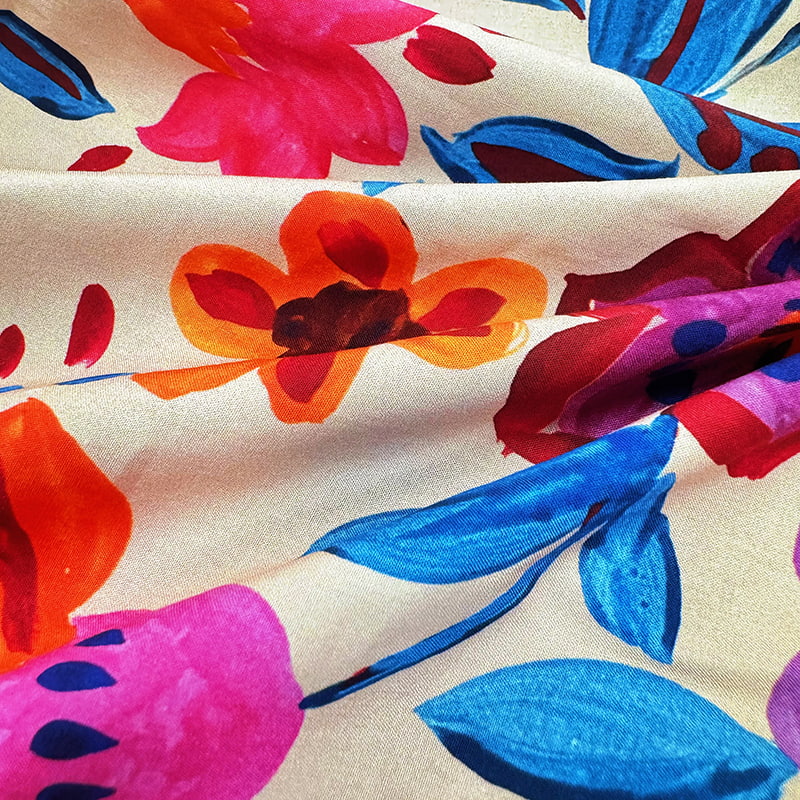
The pursuit of perfection in textiles often centers on the marriage of vibrant color and enduring comfort. At the heart of this excellence lies Reactive Printing Fabric, a technology that has redefined standards for premium textile applications. Unlike methods that merely coat the surface of the fiber, reactive printing facilitates a chemical reaction that bonds the dye molecules directly into the cellulose structure of the fabric.
When considering the science behind this, it is essential to distinguish it from other industry methods. In pigment printing, for instance, a binder is used to stick color to the surface, which can lead to a stiffer hand-feel and eventual cracking or fading after repeated cycles. Reactive printing, conversely, ensures that the ink becomes part of the fiber itself. This molecular-level integration results in a fabric that maintains a luxurious, soft texture—essential for high-end fashion and sensitive home textile applications.
At ShaoxingRuiyin Textile Co., Ltd., we have spent years refining this process. By integrating design R&D with advanced printing techniques, we ensure that the aesthetic potential of the textile is fully realized. We understand that whether a design is destined for an elegant fashion line or high-end home décor, the integrity of the color is paramount. Our approach to reactive printing ensures that breathability remains uncompromised, as the dye does not create a barrier on the fabric surface.
To better understand why this method is preferred for quality-focused projects, consider the following technical comparison:
| Feature |
Reactive Printing Fabric |
Pigment Printing |
Thermal Transfer |
| Dye Mechanism |
Chemical bond with fiber |
Surface binder adhesion |
Heat-induced sublimation |
| Hand-feel |
Extremely soft, natural |
Slightly stiff/rough |
Smooth but synthetic feel |
| Wash Fastness |
Excellent (deep penetration) |
Moderate (surface wear) |
Good |
| Breathability |
Superior |
Reduced (surface barrier) |
Reduced |
| Ideal Fabric |
Natural (Cotton, Linen, Silk) |
Versatile (Synthetics/Blends) |
Polyester-rich blends |
The commitment to this specific method is driven by the demand for longevity. As a modern technology enterprise, ShaoxingRuiyin Textile Co., Ltd. emphasizes the necessity of professional color management. We utilize precise ICC color correction throughout our workflows to ensure that the vision captured on a digital screen translates perfectly to the final textile product. By focusing on these high-performance techniques, we help our partners transform design concepts into tangible, long-lasting products that stand out in any competitive market.
Manufacturing Excellence: The Production Process Behind Premium Reactive Prints
Achieving exceptional results with Reactive Printing Fabric requires strict adherence to a precise industrial workflow. Every meter of fabric undergoes a rigorous sequence of chemical and mechanical stages to ensure that the dye is securely locked into the core of the fibers.
The process typically begins with meticulous pre-treatment, where raw greige goods are thoroughly scoured, bleached, and mercerized. This preparation eliminates impurities and maximizes the absorbency of the material, allowing the reactive dyes to penetrate deeply during the printing stage. Once prepared, the fabric moves through advanced digital or rotary printing systems. In this phase, precision machinery applies the liquid dye formulas according to exact color specifications. Following print application, the textiles enter industrial steamers where heat and moisture trigger the vital chemical fixation process, permanently binding the dye molecules to the cellular structure of the material.
However, the manufacturing cycle does not end there. A critical differentiator for high-grade output is the multi-stage washing process. Unfixed dye particles must be thoroughly stripped away through hot and cold washes, followed by soaping and fixing agents, to eliminate any risk of future bleeding or crocking.
To maintain strict industrial-scale consistency, ShaoxingRuiyin Textile Co., Ltd. implements comprehensive quality control protocols at every single step of this workflow. By carefully monitoring parameters such as pH levels, fixing temperatures, and water tension, we ensure that every production run meets exacting performance standards.
The operational control parameters managed during our production cycles include:
| Production Stage |
Control Parameter |
Target Standard |
Impact on Final Fabric |
| Pre-Treatment |
Absorbency Rate & Whiteness |
Less than 3 seconds / Greater than 85 percent CIE |
Ensures uniform ink absorption and bright base tones |
| Printing Phase |
Viscosity & Resolution |
Optimized for fine lines up to 1440 DPI |
Delivers sharp, bleeding-free pattern definitions |
| Steaming |
Temperature & Dwell Time |
102 degrees Celsius to 105 degrees Celsius for 8 to 10 minutes |
Guarantees complete molecular bonding of reactive dyes |
| Washing & Soaping |
Water Temperature & pH |
Multi-chamber thermal rinsing with pH 6.5 to 7.5 |
Removes surplus dye to achieve maximum wash fastness |
Operating state-of-the-art facilities allows ShaoxingRuiyin Textile Co., Ltd. to balance high-volume output with meticulous attention to technical detail. Whether fulfilling an order for tens of meters of customized designs or tens of thousands of meters for large-scale production, our integrated workflow—encompassing traditional printing, digital printing, and advanced finishing—ensures predictable, high-performance results. Through continuous investment in modern technology and strict quality oversight, we provide a reliable foundation for clients seeking durable, beautifully printed textiles.
Key Technical Specifications and Performance Metrics
When selecting a high-performance Reactive Printing Fabric, evaluating the precise technical parameters is essential for ensuring that the final product meets rigorous industry demands. The physical and chemical characteristics of the textile dictate its durability, comfort, and suitability for specific commercial applications.
Base fabric selection forms the foundation of this performance. At ShaoxingRuiyin Textile Co., Ltd., our comprehensive fabric consultation service helps clients navigate options ranging from 100 percent natural fibers like cotton, linen, silk, and wool to specialized modal and advanced blends. Each fiber interacts uniquely with reactive dyes, influencing the depth of color and tactile feel. For instance, high-density cotton variations provide a crisp canvas for intricate geometrical patterns, while modal and silk blends offer a fluid drape ideal for luxury apparel.
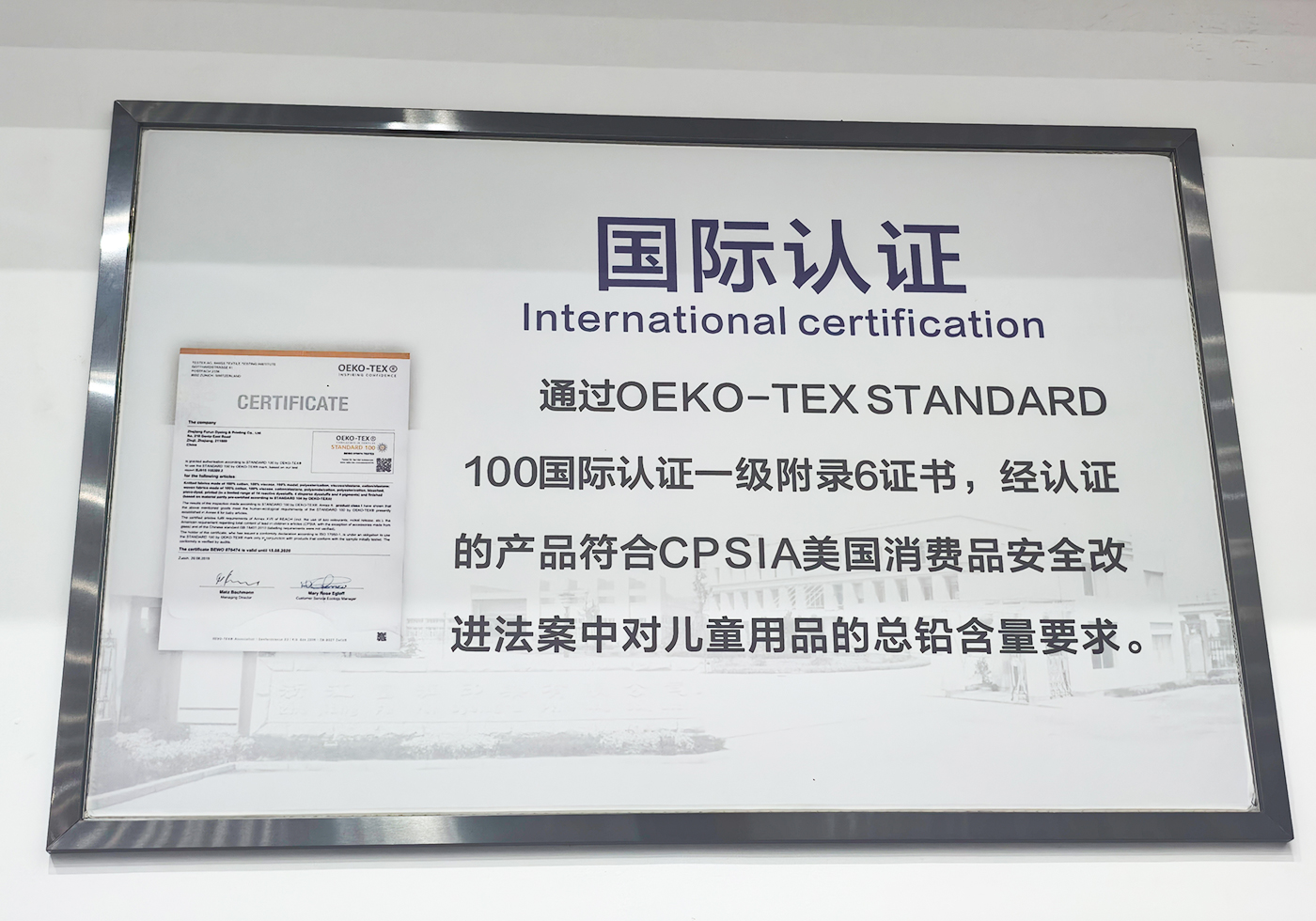
To maintain uncompromising safety and durability, production must adhere to strict international benchmarks. ShaoxingRuiyin Textile Co., Ltd. utilizes eco-friendly and high-strength dyes in full compliance with environmental standards such as Oeko-Tex Standard 100, ensuring that every meter of fabric is safe for sensitive skin while retaining structural integrity over time.
The industry-standard performance metrics and specifications for premium reactive prints are outlined below:
| Technical Parameter |
Standard Specification Range |
Testing Method / Standard |
Practical Significance |
| Fabric Weight (GSM) |
80 GSM to 350 GSM |
ISO 3801 |
Determines fabric thickness, opacity, and seasonal suitability |
| Fabric Width |
140 cm to 280 cm (Customizable) |
ISO 22198 |
Optimizes cutting efficiency and minimizes fabric waste during manufacturing |
| Wash Fastness |
Grade 4 to 5 (out of 5) |
ISO 105-C06 |
Measures resistance to fading or color bleeding during laundering |
| Rub Fastness (Dry/Wet) |
Dry: Grade 4 to 5 / Wet: Grade 3 to 4 |
ISO 105-X12 |
Evaluates color transfer resistance when friction is applied to the fabric surface |
| Light Fastness |
Grade 5 to 6 (out of 8) |
ISO 105-B02 |
Indicates how well the printed pattern resists fading under light exposure |
| Dimensional Stability |
Less than or equal to plus or minus 3 percent shrinkage |
ISO 5077 / ISO 6330 |
Ensures the textile retains its original shape and dimensions after washing |
Balancing these quantitative metrics requires strict quality oversight from raw material selection through the final finishing processes. By adhering to rigorous testing protocols and leveraging advanced color management tools, ShaoxingRuiyin Textile Co., Ltd. ensures that every batch delivers predictable, long-lasting performance across diverse commercial applications.
Top Commercial Applications Across Global Industries
The unique molecular bonding achieved in Reactive Printing Fabric unlocks a wide spectrum of possibilities across various commercial sectors. Because the dye becomes an integral part of the fiber rather than sitting on top as a coating, the material retains its natural breathability and luxurious hand-feel. This performance profile makes it the material of choice for industries where aesthetics and durability must go hand in hand.
In the fashion and apparel sector, designers rely on these prints to create everything from flowing summer dresses to structured everyday wear. The fashion industry demands sharp pattern resolution and deep, saturated color tones that do not wash out or fade under regular care. ShaoxingRuiyin Textile Co., Ltd. works closely with global apparel brands to supply materials tailored to seasonal trends, ensuring that fabrics like cotton, modal, and silk maintain their vibrant visual appeal and soft drape over years of wear.
Home decoration represents another major domain. High-end bedding sets, duvet covers, decorative pillows, and drapery require textiles that feel exceptionally gentle against the skin while withstanding frequent laundering. Reactive printing ensures that home textiles maintain their skin-friendly qualities without chemical stiffness or odor. Furthermore, outdoor and sports brands, as well as the cultural and gift industries, increasingly utilize these advanced prints for specialized gear, promotional textiles, and customized lifestyle accessories that require high resistance to environmental stressors.
To understand how different sectors leverage these materials, consider the typical material choices and performance priorities outlined below:
| Industry Sector |
Primary Base Fabrics |
Key Performance Priorities |
Typical Applications |
| Fashion & Apparel |
Cotton, Silk, Modal, Wool, Tencel |
Soft drape, high color clarity, skin safety |
Luxury garments, seasonal collections, designer wear |
| Home Decoration |
Cotton, Linen, Cotton-Linen Blends |
Wash fastness, breathability, soft hand-feel |
Bedding sets, duvet covers, throw pillows, curtains |
| Outdoor & Sports |
Specialized Polyester Blends, Technical Cottons |
Sweat resistance, UV durability, abrasion strength |
Performance activewear, outdoor lifestyle gear, banners |
| Cultural & Gift |
Pure Cotton, Silk, Linen |
Precision detail, vibrant branding, eco-compliance |
Souvenirs, promotional textiles, high-end packaging fabrics |
Meeting the diverse demands of these markets requires a versatile manufacturing infrastructure. ShaoxingRuiyin Textile Co., Ltd. integrates design R&D, traditional printing, and modern digital techniques to support everything from avant-garde fashion lines to large-scale home textile programs. By aligning the right base fabric with the ideal printing method, our team helps clients translate creative concepts into market-ready products.
Direct Factory Partnerships: What Volume Clients Must Evaluate
Sourcing high-volume production runs of Reactive Printing Fabric involves navigating complex supply chain dynamics. When scaling up operations, partnering directly with an experienced manufacturer makes the difference between consistent market success and costly production delays. Volume clients typically look for partners who can balance technical precision with operational flexibility.
A reliable manufacturing partner must offer a full-process service chain to eliminate friction points from concept to final delivery. At ShaoxingRuiyin Textile Co., Ltd., we operate as a modern technology enterprise that bridges design research and industrial output. By managing everything from professional color management using ICC color correction—ensuring screen designs match final physical rolls—to advanced finishing processes under one roof, we streamline large-scale production programs.
Evaluating a direct factory requires analyzing specific operational capabilities. The key comparison below highlights what volume clients should expect when partnering with an integrated manufacturing enterprise versus traditional multi-layered supply chains:
| Evaluation Criteria |
Integrated Direct Manufacturer (ShaoxingRuiyin Textile Co., Ltd.) |
Traditional Multi-Tiered Supply Chain |
| Production Flexibility |
Scalable from tens of meters for custom proofs to tens of thousands of meters for mass orders |
Rigid minimum thresholds; difficult to manage small test batches |
| Color Accuracy |
Streamlined ICC color matching across digital and rotary systems |
Frequent discrepancies due to outsourced color separation and printing |
| Lead Times |
Rapid turnaround supported by in-house digital proofing and flexible scheduling |
Extended timelines caused by hand-offs between separate printers and finishers |
| Quality Oversight |
End-to-end inspection from raw material sourcing to final export packaging |
Fragmented accountability across multiple independent vendors |
| Customization Support |
Comprehensive fabric consultation and exclusive pattern development |
Limited technical support; restricted to off-the-shelf catalog options |
Beyond production scale, logistics and export reliability remain critical for international trade. Ensuring that large-volume container loads arrive on schedule requires rigorous quality control standards covering raw materials, printing accuracy, and secure export packaging. ShaoxingRuiyin Textile Co., Ltd. builds its partnerships on transparency, rapid response times, and strict adherence to environmental standards like Oeko-Tex Standard 100. By acting as an external R&D and production extension for global clients, we help transform creative visions into dependable, market-ready textiles.
Frequently Asked Questions About Sourcing Reactive Printing Fabric
What is the typical minimum order quantity and lead time for custom bulk production?
Production flexibility depends heavily on the selected printing technique and fabric base. Traditional rotary reactive printing typically requires larger minimum runs due to screen preparation costs, whereas modern digital reactive printing allows for significantly lower thresholds.
At ShaoxingRuiyin Textile Co., Ltd., our flexible manufacturing framework accommodates order sizes ranging from tens of meters for rapid sample proofing to tens of thousands of meters for large-scale commercial runs. Utilizing advanced digital proofing systems, initial design samples and lab-dips can be confirmed in as little as 3 to 5 business days. Once approved, standard bulk production lead times generally range between 15 and 25 days, depending on the complexity of the base fabric and special finishing requirements.
How does reactive printing fabric maintain its color vibrancy after repeated industrial laundering?
The longevity of Reactive Printing Fabric lies in its underlying chemistry. Unlike surface-printing methods that use chemical binders to stick pigments to the outside of fibers, reactive dyes form permanent covalent bonds directly with the hydroxyl groups of cellulosic fibers (such as cotton, linen, and modal) or protein fibers (such as silk and wool).
Because the dye molecules become an integral part of the fiber itself, the printed design will not crack, peel, or stiffen over time. ShaoxingRuiyin Textile Co., Ltd. enforces multi-stage hot washing and soaping protocols following the steaming process. This thorough post-treatment strips away any unreacted surface dye, ensuring that the finished fabric achieves Grade 4 to 5 wash fastness ratings and maintains its rich hue and soft texture through repeated laundering.
Can we request customized fabric weights, base fibers, and proprietary pattern designs?
Yes. Customization is a core component of modern textile manufacturing. Clients can specify exact fabric weights in GSM, fabric widths, weave structures, and raw fiber compositions to meet specific product requirements.
Through our full-process service chain, ShaoxingRuiyin Textile Co., Ltd. offers a comprehensive fabric consultation service. Our technical team assists in pairing custom patterns with the most suitable base fabrics—including pure cotton, linen, silk, wool, viscose, and specialized technical blends. Furthermore, our design R&D team provides complete pattern confidentiality, utilizing calibrated ICC color profiles to guarantee that physical textiles perfectly match original digital artwork.
What makes reactive printing a more eco-friendly and skin-safe choice compared to conventional methods?
Eco-compliance and human safety are critical considerations in modern fabric selection. Reactive printing relies on water-based dye solutions rather than heavy solvent-based chemicals or thick synthetic binders. When processed under optimal conditions, reactive dyes yield high exhaustion and fixation rates, minimizing environmental impact.
The technical and ecological advantages of reactive printing compared to conventional pigment printing are detailed below:
| Eco & Performance Metric |
Reactive Dye Printing |
Conventional Pigment Printing |
| Dye Fixation Rate |
High (Greater than or equal to 85 percent molecular bonding efficiency) |
Moderate (relies on resin surface adhesion) |
| Formaldehyde & VOC Content |
Near zero; fully compliant with Oeko-Tex Standard 100 |
May contain trace binder residues or volatile organic compounds |
| Tactile Texture & Breathability |
Zero added film; retains natural fiber soft hand and breathability |
Leaves a delicate surface film; can reduce natural air permeability |
| Skin-Contact Safety |
Certified safe for sensitive skin, apparel, and infant textiles |
Suitable for general use; surface film can occasionally cause friction stiffness |
ShaoxingRuiyin Textile Co., Ltd. exclusively uses high-strength, environmentally certified dyes and inks that comply with international standards such as Oeko-Tex Standard 100, ensuring every batch meets strict safety guidelines for close-to-skin applications.
How are bulk fabric rolls inspected and packaged for international transport?
Protecting textile rolls during long-distance freight requires standardized quality control and secure export packaging. After passing final visual and technical inspections—evaluating color accuracy, width consistency, and physical surface flaws—the fabric is tightly rolled onto reinforced paper tubes to prevent creasing.
To safeguard shipments against humidity, dust, and physical wear during ocean or air transit, ShaoxingRuiyin Textile Co., Ltd. applies a double-layer protective packaging system. Each roll is first sealed in heavy-duty waterproof plastic film, followed by an outer layer of durable woven synthetic bagging. Detailed roll tags listing GSM, total meterage, batch numbers, and shade codes are attached to both ends to ensure full traceability upon arrival at client facilities.
 English
 中文简体
中文简体 Español
 عربى
عربى