Understanding Cotton Reactive Printing Fabric: Definition and Core Characteristics
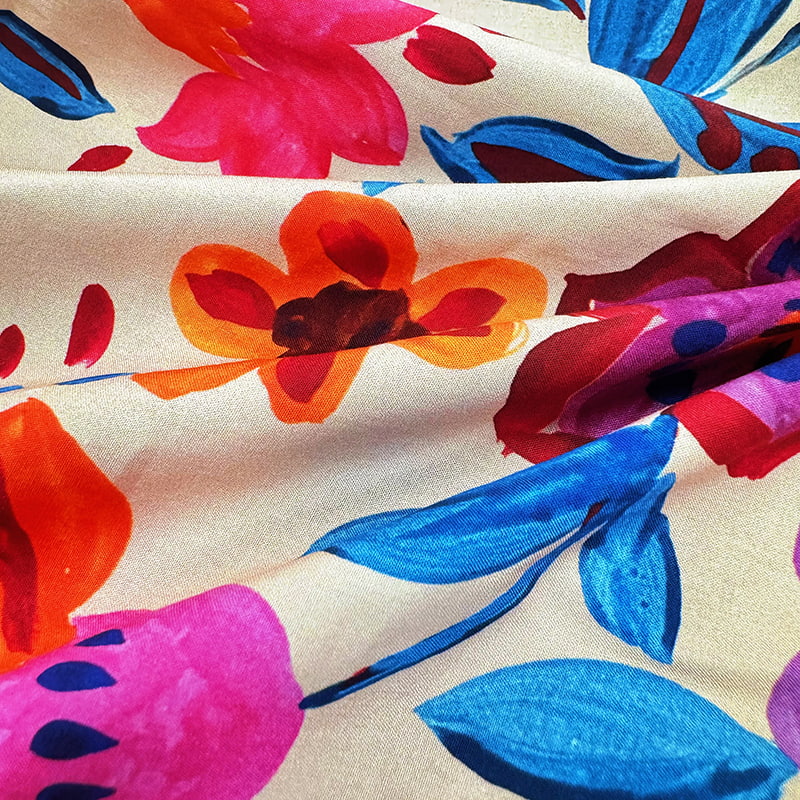
Cotton Reactive Printing Fabric represents the pinnacle of textile coloring technology, where the dye molecules form a covalent bond directly with the cotton fiber molecules. Unlike traditional surface-coating methods, this chemical reaction ensures that the color becomes an integral part of the fabric structure itself. At ShaoxingRuiyin Textile Co., Ltd., we emphasize this molecular-level bonding because it transforms standard cotton into a high-performance material that remains soft, breathable, and color-stable even after intensive use.
The primary distinction between reactive printing and other common methods lies in the permanence of the bond. To provide a clearer understanding of why this technique is favored for premium textile products, the following comparison highlights the technical differences between reactive and pigment printing:
| Feature |
Reactive Printing |
Pigment Printing |
| Bonding Mechanism |
Chemical covalent bond (fiber-dye) |
Mechanical surface adhesion (binder) |
| Hand-feel (Softness) |
Excellent; maintains natural fabric texture |
Can feel slightly stiff due to binder |
| Wash Durability |
High; resistant to repeated washing |
Moderate; may fade over time |
| Color Vibrancy |
Deep, saturated, and highly defined |
Surface-level; less penetration |
| Breathability |
Maintains original fabric porosity |
Slightly reduced due to binder layer |
By leveraging our professional color management systems, including advanced ICC color correction, ShaoxingRuiyin Textile Co., Ltd. ensures that the design intent is perfectly translated onto the fiber. We prioritize this consistency because, for high-end applications, the integrity of the color—from initial proofing to the final mass-produced roll—is non-negotiable.
When considering specifications for Cotton Reactive Printing Fabric, technical precision is essential to meet international quality standards. Common requirements often center on fabric weight (typically measured in GSM), yarn count, and width, all of which dictate the final application. Whether you are developing bedding for the hospitality industry or fashion-forward apparel, our fabric consultation service at ShaoxingRuiyin Textile Co., Ltd. helps identify the optimal base fabric specifications to match the desired weight and drape of your end product. By choosing a fabric engineered through reactive printing, the resulting material provides a superior level of durability, ensuring that vibrant patterns and intricate designs do not crack, peel, or lose their luster, regardless of how often the fabric is utilized or laundered.
The Superior Manufacturing Process Behind High-End Textile Production
Transforming raw greige cotton into premium Cotton Reactive Printing Fabric requires a meticulous, multi-stage production workflow. The journey begins with rigorous selection of high-grade natural cotton fibers, followed by preparatory treatments such as singeing, desizing, scouring, and bleaching. These steps remove impurities and open up the cellulose structure, ensuring that the fabric achieves maximum absorbency before any coloring takes place.
At ShaoxingRuiyin Textile Co., Ltd., this entire production sequence is executed using advanced modern machinery equipped with precise temperature and chemical-dosing controls. Maintaining strict environmental and thermal parameters during the fixation stage is critical; it forces the reactive dye molecules to form permanent covalent bonds with the cotton substrate rather than merely sitting on the surface.
To maintain uniform quality across thousands of meters of fabric, precision is upheld through structured operational phases:
| Production Phase |
Key Operational Focus |
Quality Assurance Standard |
| Pre-Treatment |
Impurity removal & mercerization |
Optimizes fiber absorbency and tensile strength |
| Color Application |
Digital & traditional printing integration |
ICC color matching for screen-to-fabric accuracy |
| Fixation & Steaming |
Controlled thermal and moisture exposure |
Ensures complete chemical bonding of reactive dyes |
| Washing & Soaping |
Removal of unfixed dye molecules |
Guarantees zero bleeding and superior colorfastness |
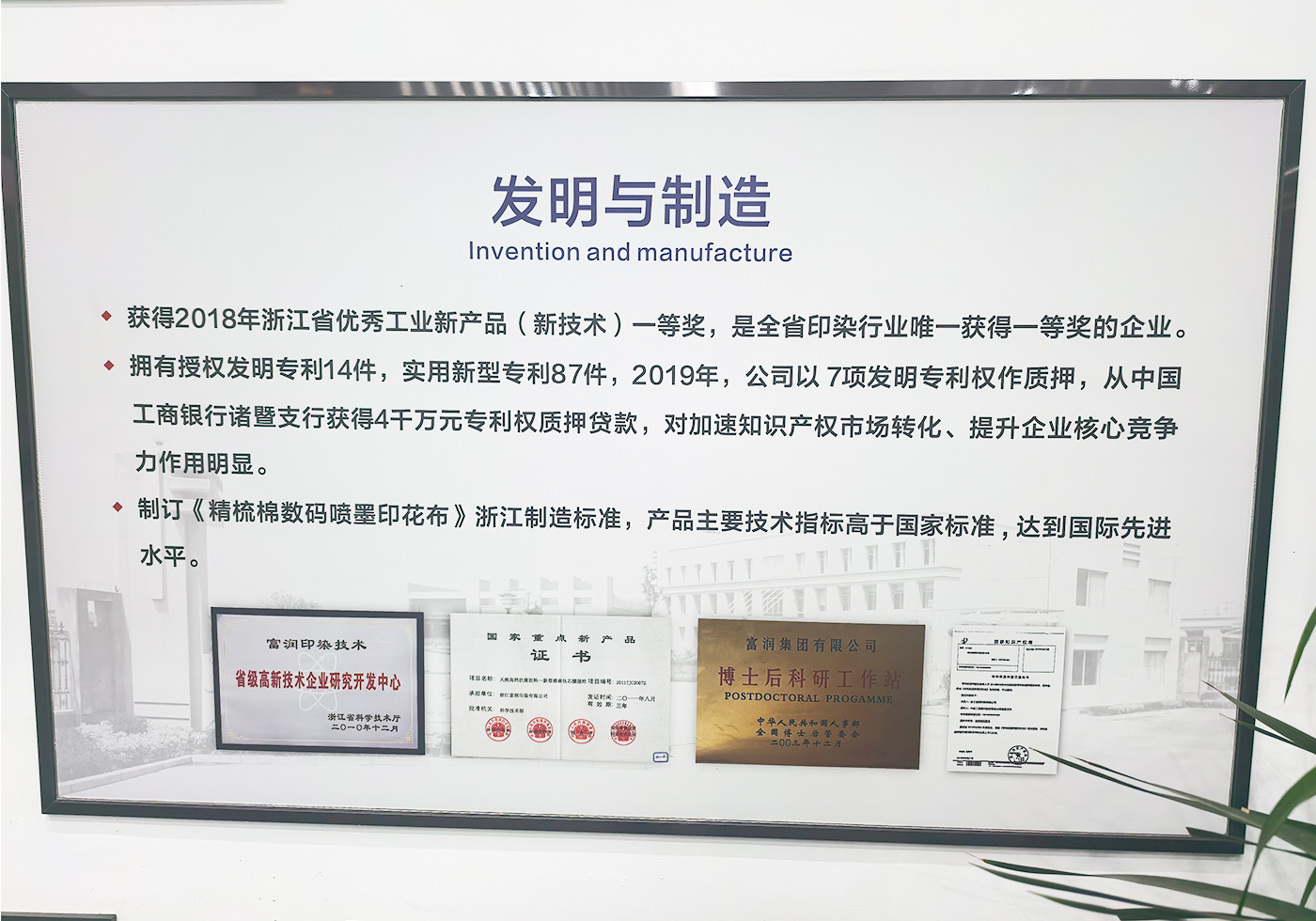
Achieving consistent results across diverse orders requires a balance of innovative technology and strict protocol. ShaoxingRuiyin Textile Co., Ltd. continuously invests in advanced digital and traditional printing equipment, integrating design research and development directly with specialized finishing processes. This integrated setup allows for rapid proofing and flexible production scaling—ranging from small experimental batches of tens of meters to massive industrial runs of tens of thousands of meters.
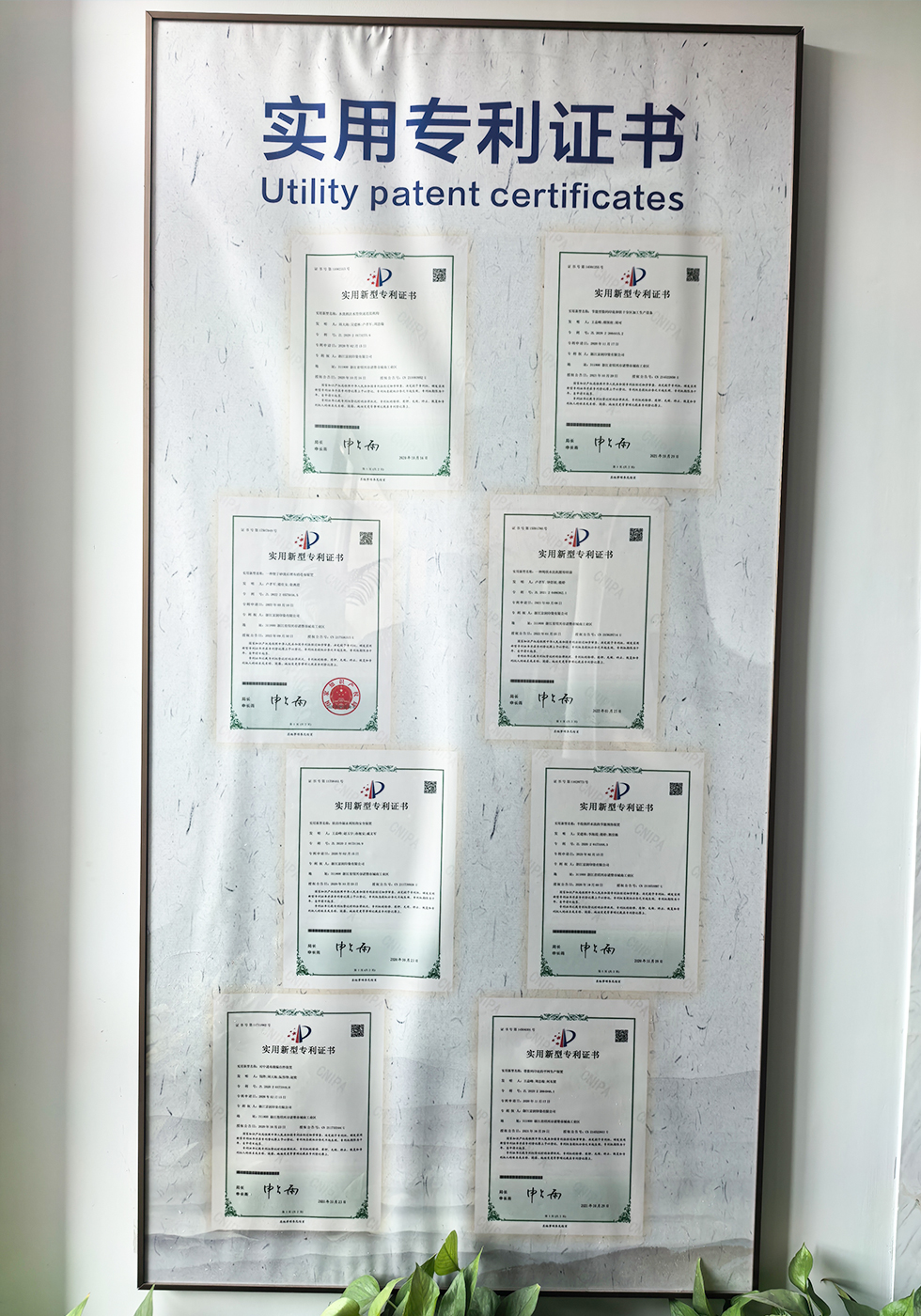
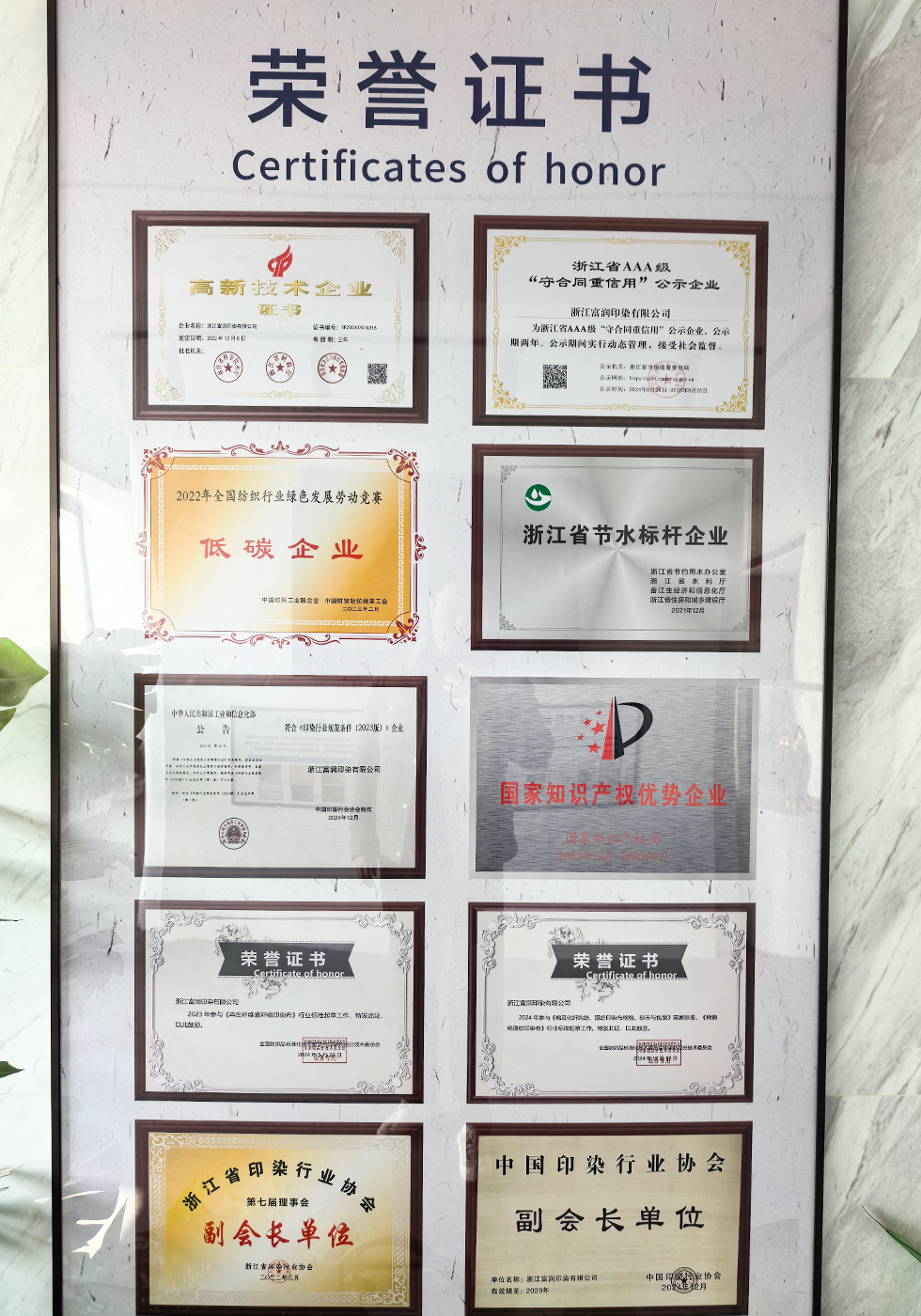
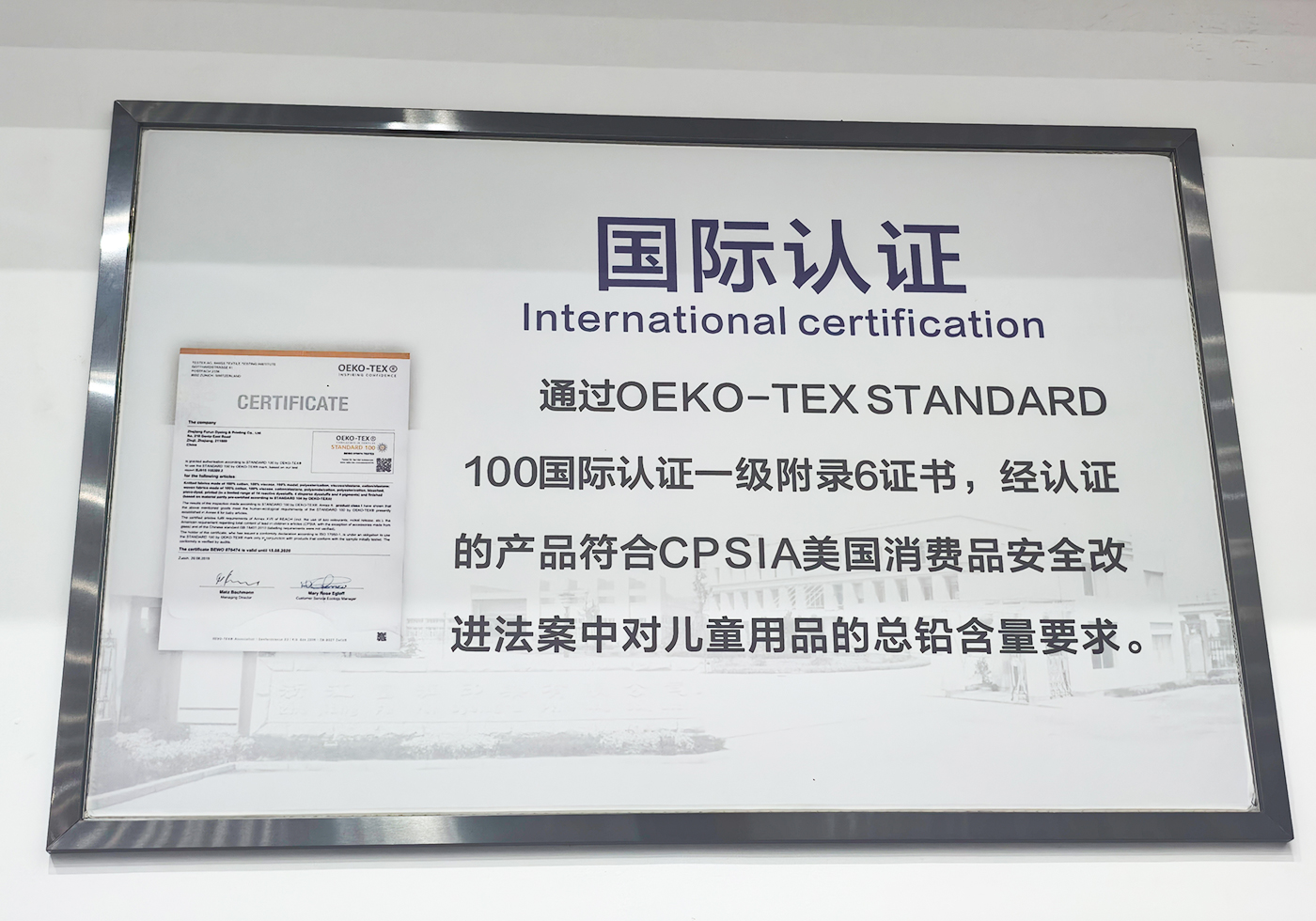
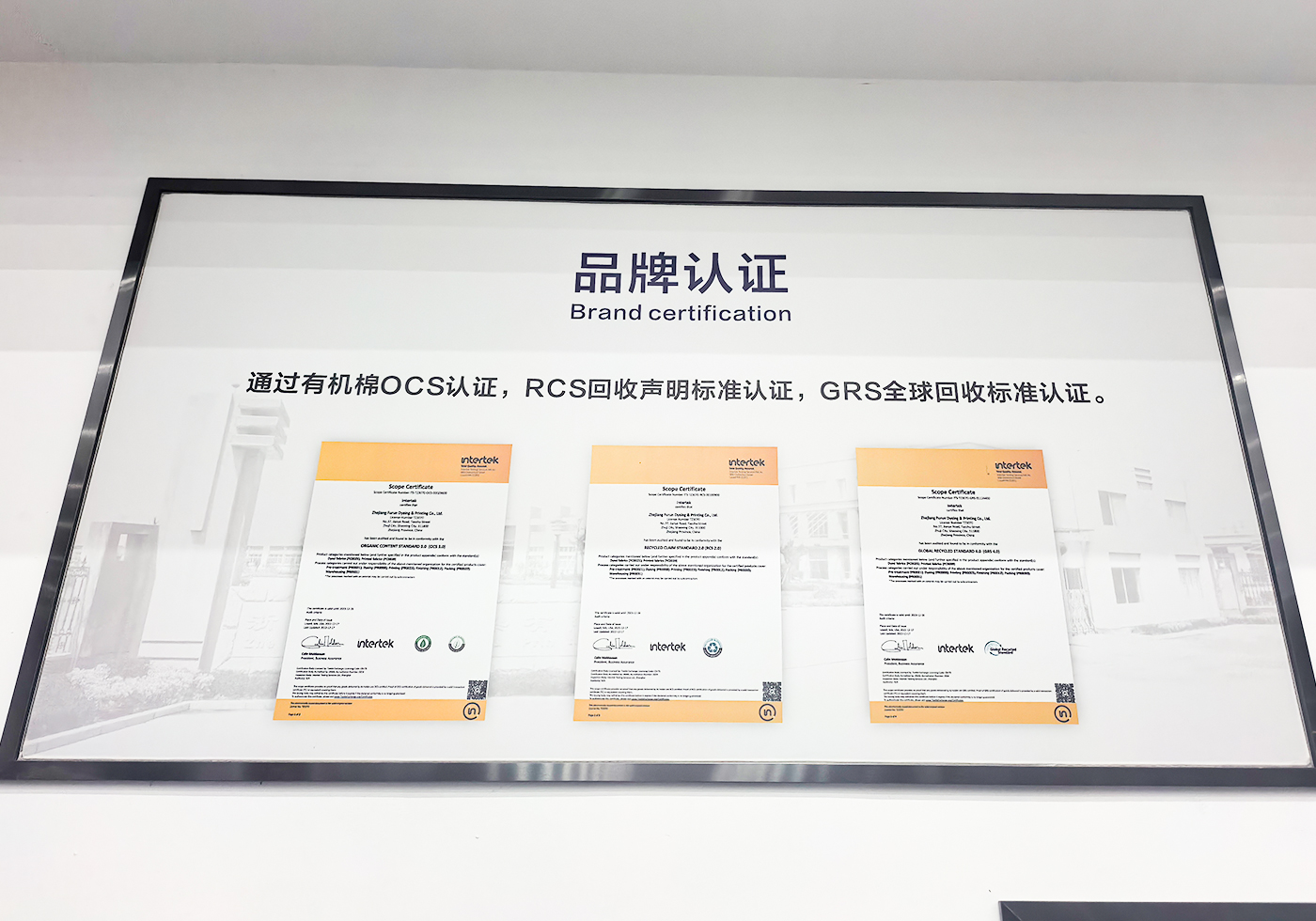
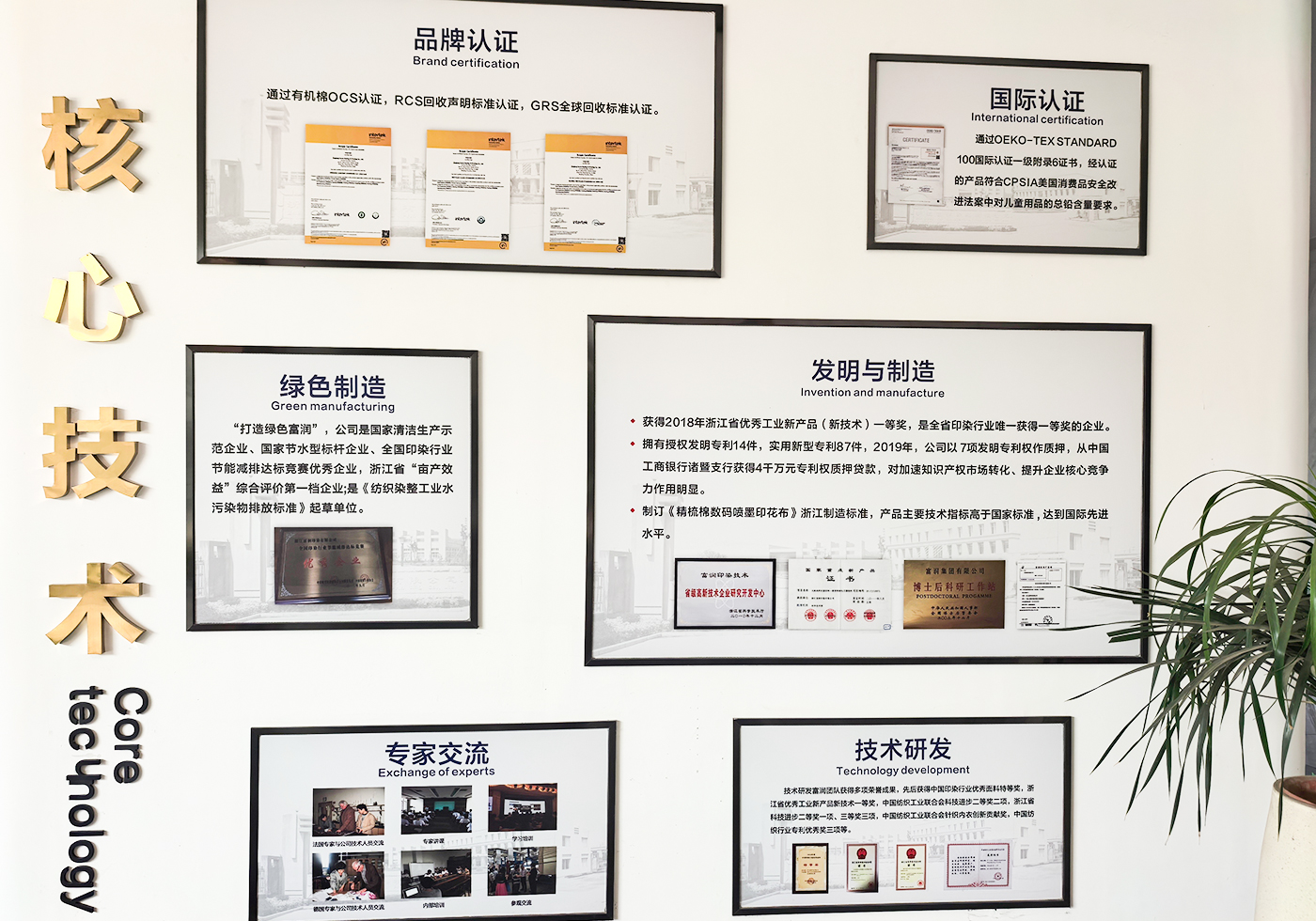
Furthermore, stringent quality control protocols are applied at every junction. From inspecting raw greige materials to monitoring the final finishing processes, technicians evaluate parameters such as dimensional stability, shrinkage rates, and wet-and-dry rubbing fastness. By adhering to strict environmental standards, including compliance with Oeko-Tex Standard 100, the production line utilizes eco-friendly and high-strength dyes that guarantee both human-ecological safety and exceptional durability. This comprehensive approach ensures that every roll of Cotton Reactive Printing Fabric meets the rigorous physical and aesthetic demands expected by global markets.
Key Performance Advantages for Commercial and Industrial Applications
The inherent technical properties of Cotton Reactive Printing Fabric make it exceptionally well-suited for demanding commercial and industrial applications where quality, safety, and longevity cannot be compromised. Because reactive printing establishes a molecular-level bond with the cellulose fibers, the fabric retains the natural comfort of pure cotton while delivering advanced functional resilience.
To evaluate how these performance metrics stack up against alternative textile treatments, consider the following technical comparison:
| Performance Metric |
Cotton Reactive Printing Fabric |
Traditional Printed Synthetics |
| Skin-Friendliness |
High; natural breathability prevents heat buildup |
Moderate to low; synthetic fibers can trap moisture |
| Colorfastness to Washing |
Excellent; molecular bond resists repeated laundering |
Lower; surface prints degrade over time |
| Hand-Feel & Drape |
Soft, organic drape with zero surface stiffness |
Often rigid due to heavy synthetic coatings |
| Eco-Compliance |
Fully compatible with Oeko-Tex Standard 100 dyes |
Varies widely; often relies on petroleum-based inks |
Beyond these physical characteristics, maintaining strict environmental and health safety standards is critical for end-use markets. ShaoxingRuiyin Textile Co., Ltd. integrates eco-friendly and high-strength dyes that comply strictly with international benchmarks like Oeko-Tex Standard 100. This ensures that the finished materials are entirely free from harmful chemicals, making them safe for direct skin contact across sensitive demographics, including children's wear and healthcare linens.
The exceptional breathability and moisture-absorption capacity of the base material prevent static buildup and enhance user comfort over extended periods. Whether utilized in high-friction environments or subjected to frequent commercial laundering, the fabric's high tensile strength and color stability prevent premature fading and fiber degradation. By combining innovation-driven research with rigorous quality assurance, ShaoxingRuiyin Textile Co., Ltd. ensures that every meter of Cotton Reactive Printing Fabric delivers consistent performance, helping brands maintain uncompromising quality across their product lines.
Primary Applications and End-Use Categories
The remarkable versatility of Cotton Reactive Printing Fabric allows it to bridge the gap between aesthetic appeal and heavy-duty functional performance. Because the printing process preserves the inherent softness and structural integrity of natural fibers, manufacturers across multiple sectors rely on these materials to elevate their product lines.
To help product developers and designers select the ideal grade for specific manufacturing needs, the following overview outlines how different specifications align with major end-use industries:
| Application Sector |
Typical Product Types |
Key Fabric Requirements & Specifications |
| Home Textiles |
Luxury bedding sets, duvet covers, pillowcases, high-end drapery |
High thread count, soft drape, superior wash fastness (GSM range: 120–200) |
| Apparel Manufacturing |
Fashion garments, children's wear, breathable seasonal linings |
Skin-friendly, certified eco-friendly dyes, high breathability (GSM range: 90–160) |
| Hospitality & Healthcare |
Premium hotel linens, uniform fabrics, healthcare textiles |
Exceptional durability, resistance to frequent industrial laundering (GSM range: 160–250) |
Different industries demand distinct technical approaches, which is why having access to comprehensive printing techniques is essential. ShaoxingRuiyin Textile Co., Ltd. operates with a full-spectrum capability that includes digital printing, traditional printing, and specialized functional treatments. This enables seamless adaptation across diverse market segments—from short-run, highly intricate patterns required by the fashion industry to large-scale, uniform color consistency needed for home decoration and hospitality linens.
Furthermore, through our dedicated fabric consultation service, ShaoxingRuiyin Textile Co., Ltd. guides clients in selecting the most appropriate base fabrics, ranging from traditional cotton and linen to specialized blends, paired with the exact printing method suited for the intended application. This targeted approach ensures that whether a brand is crafting lightweight children's apparel or heavy-duty hospitality furnishings, the finished textile performs flawlessly under real-world conditions.
Why Direct Factory Sourcing Secures Your Supply Chain Advantage
Securing a reliable, efficient supply chain is critical for maintaining market competitiveness in the global textile landscape. When sourcing Cotton Reactive Printing Fabric, partnering directly with an experienced manufacturer eliminates unnecessary intermediaries, reduces lead times, and ensures transparent communication throughout the development and production lifecycle.
Working with a direct producer allows for exceptional flexibility, particularly when balancing varied order volumes and specialized customization requirements. The operational differences between direct factory collaboration and traditional multi-tier distribution highlight distinct advantages for manufacturing and retail partners:
| Sourcing Dimension |
Direct Factory Collaboration (ShaoxingRuiyin Textile Co., Ltd.) |
Traditional Multi-Tier Distribution |
| Pricing & Cost Structure |
Transparent, direct-from-mill pricing with optimized scale efficiencies |
Inflated costs due to multiple intermediate broker markups |
| Customization & Flexibility |
Full OEM/ODM support, bespoke pattern designs, and custom color matching |
Rigid product catalogs with limited or no customization options |
| Order Volume Adaptability |
Flexible scaling from tens of meters to tens of thousands of meters |
Strict, high minimum order quantities enforced by middlemen |
| Communication & R&D |
Direct collaboration with technical teams and color management experts |
Indirect relay of specifications leading to potential misunderstandings |
Navigating custom textile projects requires robust technical support at every step. ShaoxingRuiyin Textile Co., Ltd. functions as an integrated technology enterprise that combines design research and development, digital and traditional printing, and advanced finishing processes under one roof. Through professional color management—utilizing ICC color correction to guarantee screen-to-fabric consistency—and rapid digital proofing services, design decisions are accelerated significantly.
Additionally, maintaining a flexible supply chain means being equipped to handle diverse project scales without compromising quality or delivery schedules. Whether executing a small bespoke run of specialized apparel fabric or fulfilling a massive industrial order for home decorations, ShaoxingRuiyin Textile Co., Ltd. applies strict quality inspection standards from raw materials to final packaging. By integrating rigorous export logistics support and dependable lead-time management, direct factory collaboration safeguards your supply chain against bottlenecks and ensures seamless execution from concept to finished product.
Frequently Asked Questions and Important Industry Knowledge
Navigating the procurement and development of Cotton Reactive Printing Fabric often involves technical considerations regarding production minimums, quality standards, and material care. To assist project managers, designers, and brand partners in making informed decisions, the following frequently asked questions address key operational details:
| Inquiry Category |
Common Question |
Detailed Operational Response |
| Order Flexibility |
What is the minimum order quantity for custom-printed cotton reactive fabrics? |
Through flexible production setups at ShaoxingRuiyin Textile Co., Ltd., orders can scale efficiently from tens of meters for pilot designs up to tens of thousands of meters for mass production, supporting both on-demand and large-scale manufacturing. |
| Color Durability |
How does reactive printing maintain color vibrancy after industrial washing? |
Because reactive dye molecules form covalent chemical bonds directly with the cotton cellulose fibers during thermal fixation, the color becomes part of the fabric structure, preventing fading or bleeding even under rigorous laundering. |
| Compliance & Safety |
What compliance documents and test reports are available for customs clearance? |
Fabrics are produced using eco-friendly, high-strength dyes complying with international benchmarks such as Oeko-Tex Standard 100, and complete inspection reports covering colorfastness and physical metrics are provided. |
| Lead Times |
What are the standard lead times for sample development and bulk production runs? |
Utilizing advanced digital proofing and efficient color management systems like ICC color correction, rapid sample turnarounds are achieved, while streamlined factory workflows ensure reliable delivery schedules for bulk orders. |
When selecting a reliable external research and development and production partner, understanding these practical parameters helps streamline project execution from initial concept to the final textile roll. ShaoxingRuiyin Textile Co., Ltd. remains committed to bridging design innovation with high-performance manufacturing, ensuring every technical requirement is met with precision and transparency.
 English
 中文简体
中文简体 Español
 عربى
عربى