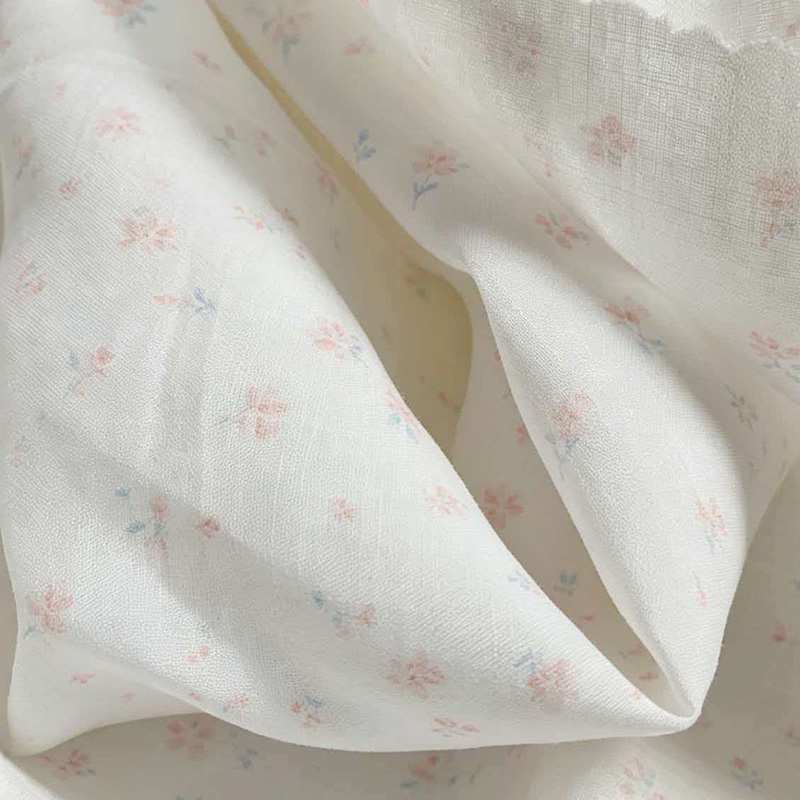
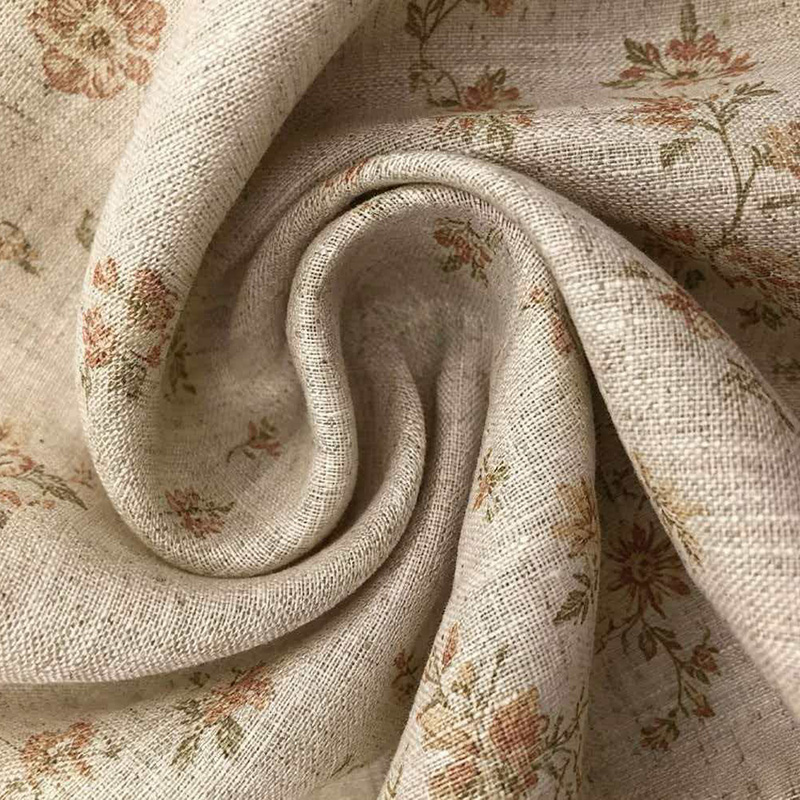
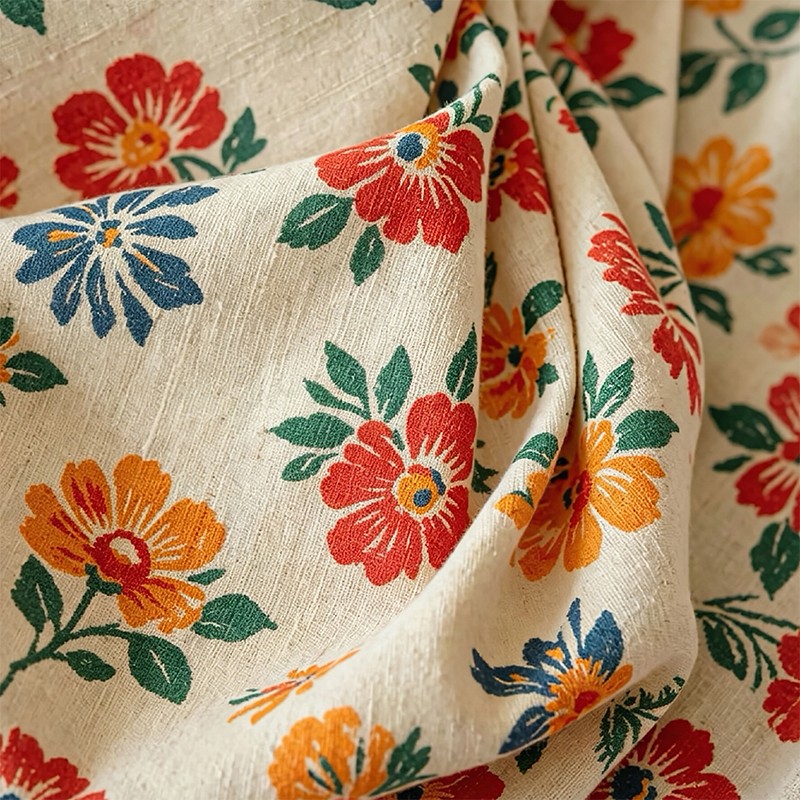
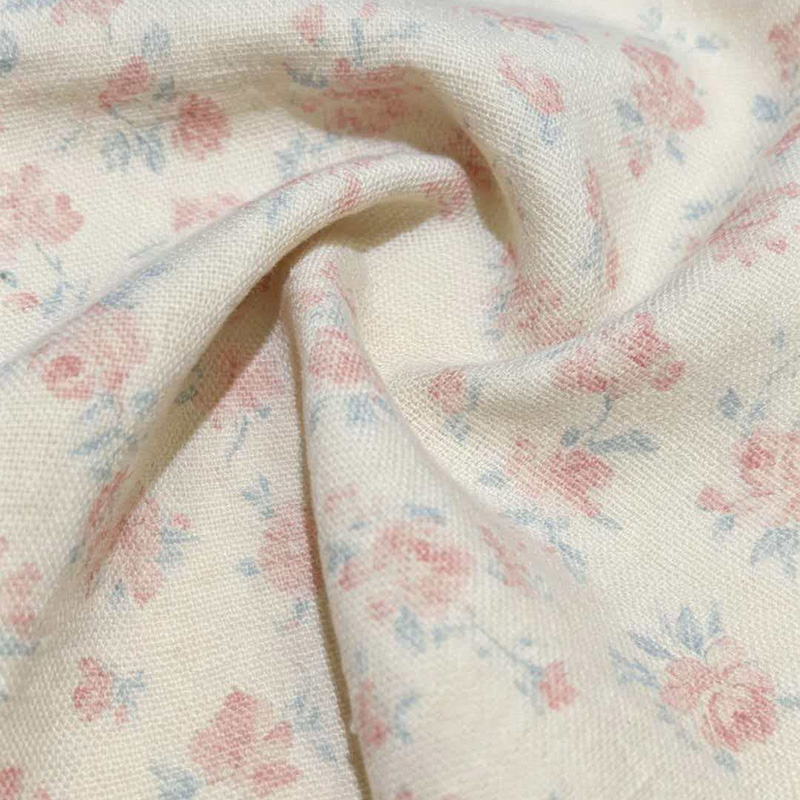
Overview of Modern Textile Innovation
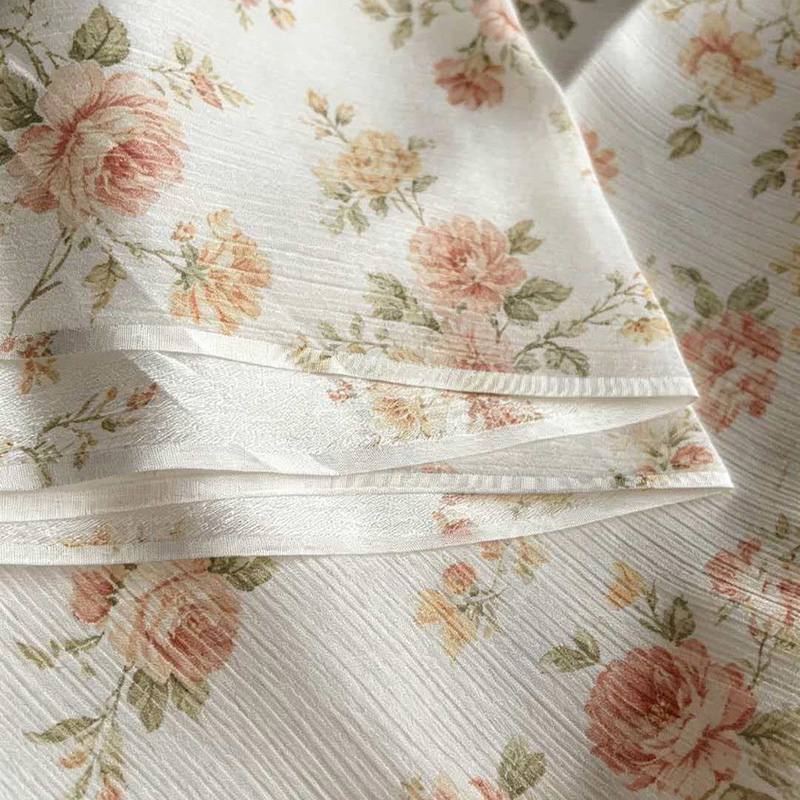
The global textile landscape is undergoing a profound transformation. The days of rigid, limited-run production are fading, replaced by a demand for agility, precision, and the ability to bring complex designs to life with speed. At the heart of this evolution lies Digital Inkjet Printing Fabric, a technology that bridges the gap between visionary design and tangible, high-performance material.
For those overseeing large-scale material acquisition, the shift toward digital systems represents more than just a change in machinery; it signifies a move toward a more responsive and creative supply chain. Companies like ShaoxingRuiyin Textile Co., Ltd. have pioneered this transition, functioning as a modern technology enterprise that integrates design R&D, digital printing, and finishing processes. By providing a one-stop solution—from initial concept to finished product—factories are now enabling a higher standard of material excellence that was previously difficult to achieve in high-volume production. This move toward integrated service models ensures that the technical requirements of fabric production are handled with the same care as the aesthetic goals of the end product.
Understanding Digital Inkjet Printing Fabric: Technology and Core Advantages
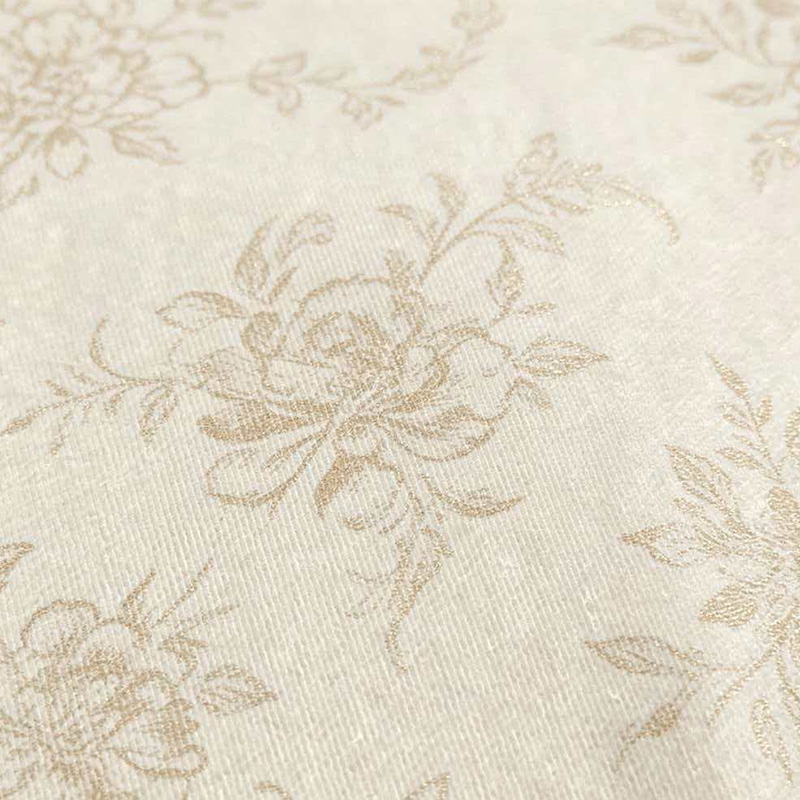
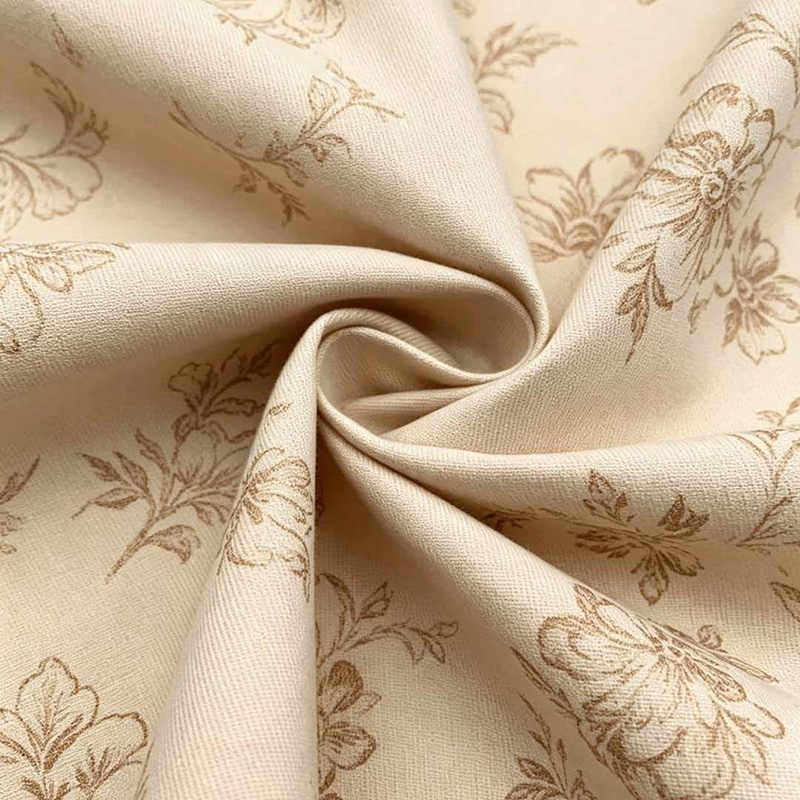
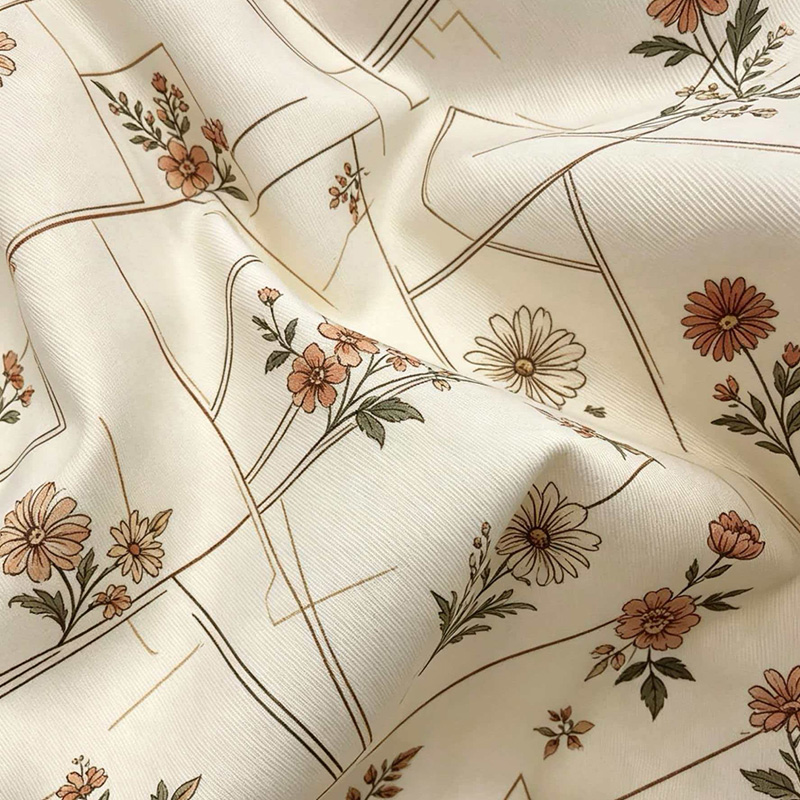
High-grade Digital Inkjet Printing Fabric is defined by its ability to translate intricate digital data into precise ink deposits on a textile substrate. Unlike traditional methods that rely on physical screens and extensive preparation, inkjet technology operates similarly to a high-resolution desktop printer but on an industrial scale.
The manufacturing mechanics involve microscopic nozzles that fire ink droplets directly onto the fabric surface. ShaoxingRuiyin Textile Co., Ltd. leverages this precision to achieve unmatched color fidelity and intricate detail, allowing for patterns that feature infinite color gradients and hyper-realistic motifs. Beyond aesthetics, the operational advantages are significant:
Environmental Efficiency: Digital systems significantly reduce water and energy consumption compared to conventional rotary screen printing, aligning production with contemporary sustainability goals.
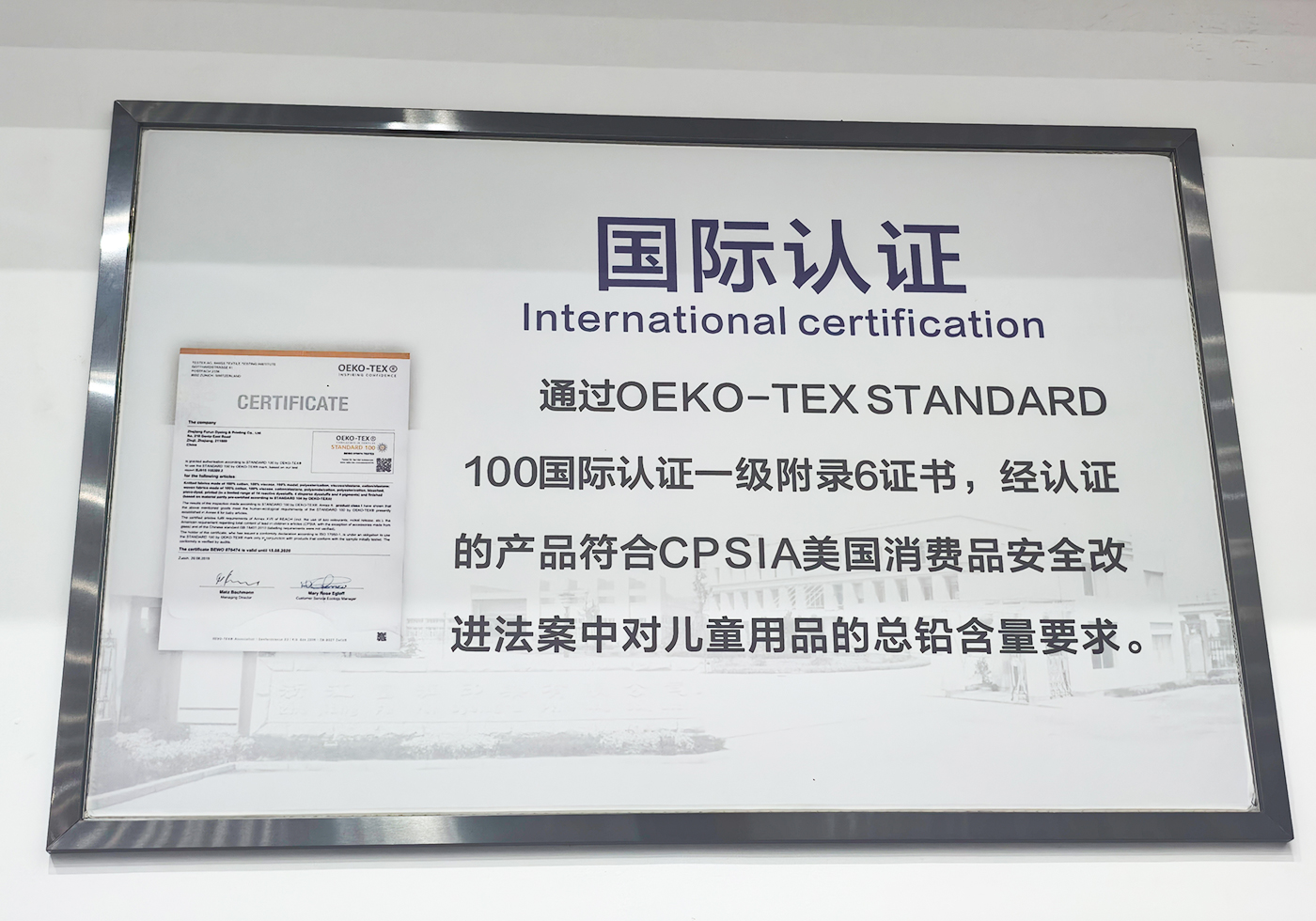
Eco-friendly Processing: The use of advanced inks, which comply with stringent international benchmarks like the Oeko-Tex Standard 100, ensures that the resulting material is both durable and safe for a wide range of consumer applications.
Operational Agility: By eliminating the need for physical screens, the time required to move from a digital file to a printed sample is slashed, allowing for real-time adjustments and faster market entry.
Key Material Options and Technical Specifications
When selecting Digital Inkjet Printing Fabric, understanding the underlying substrate is as critical as the print quality itself. Different materials react differently to ink chemistry, and performance varies based on the intended industrial application—whether that involves high-friction outdoor gear, luxurious home furnishings, or delicate fashion garments.
ShaoxingRuiyin Textile Co., Ltd. provides expert fabric consultation to ensure that the base material—be it natural fibers like cotton, linen, silk, and wool, or synthetics like polyester and nylon—is perfectly matched to the printing technique. Below is a comparison of technical considerations that often inform high-level production decisions:
| Technical Parameter |
Digital Inkjet Printing |
Traditional Rotary Screen |
| Color Complexity |
Infinite (Full CMYK/Spot) |
Limited (Per screen/color) |
| Setup Time |
Minimal (Digital File) |
High (Screen engraving) |
| Hand-feel |
Soft (High ink penetration) |
Heavier (Pigment buildup) |
| MOQ Flexibility |
High (From meters to thousands) |
Low (Limited by screen cost) |
| Precision |
Excellent (Sub-millimeter) |
Moderate |
For large-scale outputs, professionals must evaluate factors such as GSM (grams per square meter), tensile strength, and ink penetration rates. Achieving the correct balance ensures that the fabric retains its structural integrity through rigorous manufacturing steps, such as cutting and sewing, while maintaining the intended visual sharpness.
Cost-Efficiency, Order Flexibility, and Production Scalability
Managing large-scale material acquisition requires a careful balance between upfront capital expenditure and long-term production flexibility. In traditional textile manufacturing, heavy setup fees and rigid minimum order quantities often tie up capital and create excess inventory risks. However, modern digital workflows have fundamentally altered this economic model.
When evaluating the Total Cost of Ownership (TCO) for bulk orders, Digital Inkjet Printing Fabric eliminates the financial burden associated with traditional screen engraving. Because the design exists purely as digital data, switching patterns or launching seasonal collections no longer incurs prohibitive setup costs. ShaoxingRuiyin Textile Co., Ltd. capitalizes on this technological shift by offering a flexible production model that accommodates orders ranging from tens of meters for rapid prototyping up to tens of thousands of meters for full-scale commercial manufacturing. This scalability ensures that businesses can test new patterns on-demand without sacrificing wholesale margins or compromising on inventory efficiency.
To illustrate how production scale impacts operational planning and cost structure, the following table outlines the structural differences between traditional volume-based runs and modern digital scaling:
| Operational Metric |
Traditional Rotary/Screen Production |
Digital Inkjet Production |
| Minimum Order Quantity (MOQ) |
High (Strictly enforced per colorway) |
Low to High (Highly adaptable) |
| Prototyping Cost |
Expensive (Requires physical sampling runs) |
Cost-effective (Direct digital proofing) |
| Inventory Risk |
High (Oversupply due to rigid batch sizes) |
Low (On-demand replenishment capability) |
| Lead Time for Reorders |
Moderate to Long (Screen preparation required) |
Fast (Instant digital file retrieval) |
Supply chain reliability is equally dependent on consistent execution and stable output capacity. Partnering with an experienced facility ensures that large-scale shipments arrive according to schedule, maintaining seamless continuity across downstream manufacturing lines.
Quality Control and International Compliance Standards
Maintaining high standards in large-scale material production demands rigorous oversight at every single stage of the manufacturing lifecycle. From raw fiber selection to the final roll inspection, quality assurance acts as the primary safeguard for downstream operations. When dealing with high-volume shipments of Digital Inkjet Printing Fabric, even minor inconsistencies in color matching or fabric tension can lead to significant delays and material waste during cutting and assembly.
To eliminate these variables, ShaoxingRuiyin Textile Co., Ltd. implements a strict, multi-tier inspection protocol across its automated production lines. The quality control framework is anchored by professional color management, utilizing advanced ICC color correction to ensure that digital screen designs, physical proofing runs, and final bulk shipments maintain absolute visual consistency. Furthermore, every batch undergoes evaluation for critical performance metrics, including dimensional stability, wash durability, and tensile strength.
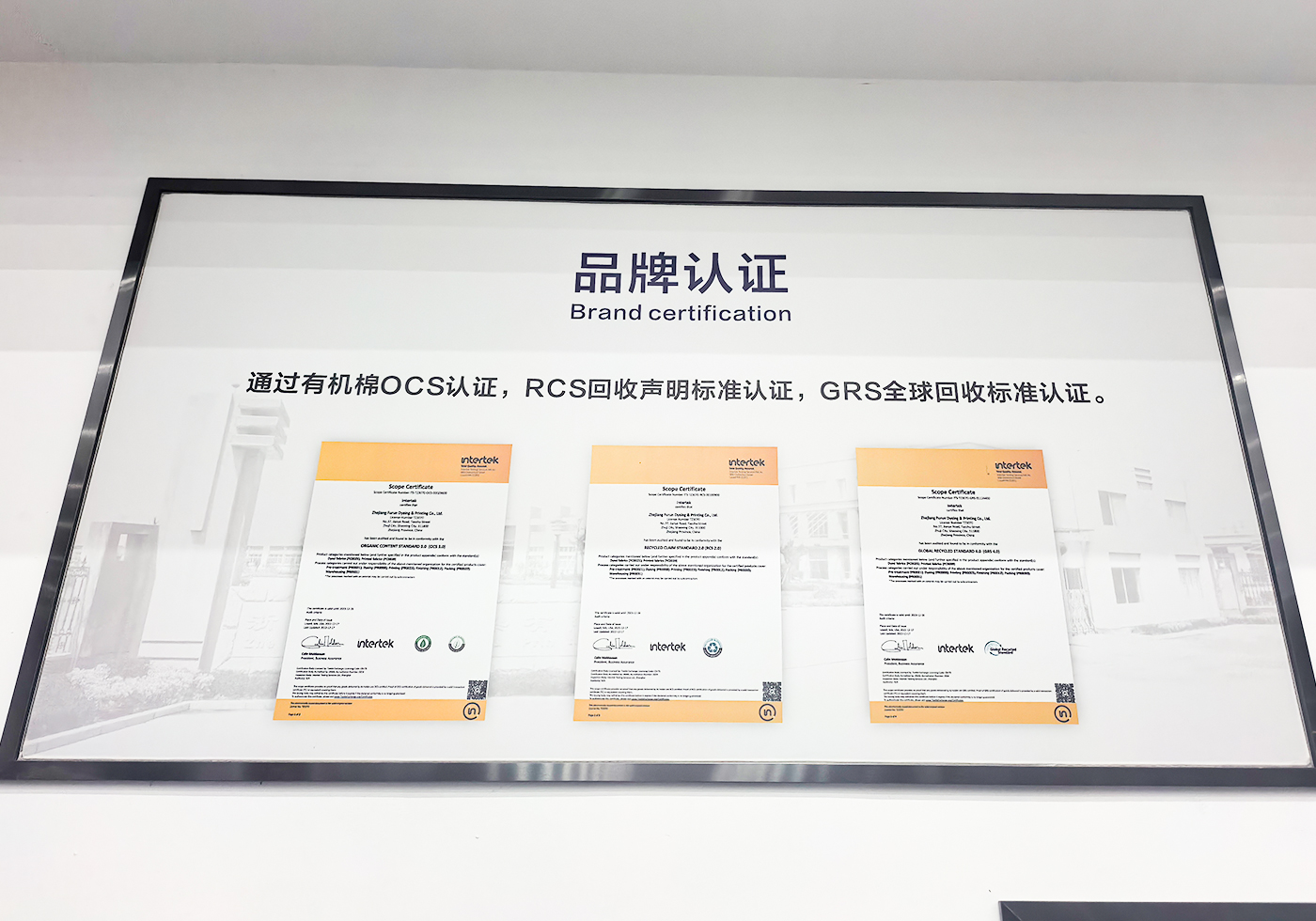
Navigating global export markets also requires adherence to stringent environmental and safety regulations. Modern facilities ensure that all dyes and chemical agents used in production comply with internationally recognized benchmarks, such as the Oeko-Tex Standard 100, which guarantees that the fabrics are free from harmful substances and safe for end-users.
The following breakdown highlights the core quality verification checkpoints integrated into daily factory operations:
| Quality Verification Stage |
Focus Area |
Standard Inspection Criteria |
| Raw Material Inspection |
Base Substrates (Cotton, Polyester, Silk, etc.) |
Thread count, weight consistency (GSM), and surface flaw detection |
| Color Calibration |
Ink Application & ICC Profiles |
Delta-E color variance checks against approved digital standards |
| Durability Testing |
Finished Textile Post-Printing |
Color fastness to washing, rubbing, and light exposure |
| Final Roll Audit |
Packaging & Yardage Verification |
Defect mapping, width uniformity, and secure spooling |
By embedding these stringent checks directly into the manufacturing process, ShaoxingRuiyin Textile Co., Ltd. ensures that every shipment meets the rigorous performance expectations required for international commercial distribution.
Frequently Asked Questions and Technical Insights
Navigating the complexities of large-scale material sourcing often brings up specific technical questions regarding customization, production timelines, and material care. To help clarify how modern digital workflows operate in practice, the following overview addresses the most common inquiries from industry professionals:
What is the standard production lead time for bulk orders of customized Digital Inkjet Printing Fabric?
Unlike traditional screen printing that requires extensive plate-making and setup delays, digital systems streamline the preparation phase. Standard bulk production typically ranges from 7 to 15 business days, depending on the total yardage and finishing requirements, allowing for much faster turnaround times.
How does digital inkjet printing compare to traditional rotary screen printing regarding fabric hand-feel and long-term durability?
The table below outlines the primary performance differences that impact daily use and manufacturing processing:
| Performance Metric |
Digital Inkjet Printing |
Traditional Rotary Screen |
| Ink Penetration |
Deep fiber bonding for a softer, natural hand-feel |
Surface-level deposition, occasionally stiffening heavy prints |
| Design Detail Resolution |
High-definition micro-dots for photo-realistic graphics |
Standard resolution limited by screen engraving limits |
| Durability against Fading |
High-grade reactive and disperse inks ensure excellent wash fastness |
Standard pigment or dye fastness depending on chemical fixation |
Are custom color matching services and laboratory dips available for specific corporate branding requirements?
Yes. ShaoxingRuiyin Textile Co., Ltd. utilizes professional color management systems, including advanced ICC color correction. This ensures that screen designs, digital proofing samples, and final bulk production match target shades with high precision, minimizing color discrepancies across different batches.
What are the recommended storage and handling guidelines for finished rolls of Digital Inkjet Printing Fabric?
To maintain structural integrity and prevent fiber degradation, finished rolls should be stored in a cool, dry environment away from direct sunlight and excessive humidity. Keeping the materials wrapped in protective plastic film also prevents dust accumulation prior to cutting and assembly.
 English
 中文简体
中文简体 Español
 عربى
عربى