2026.09.22
 Industry News
Content
When a buyer, designer, or product developer asks, “Does polyester make you sweat?” the honest answer is not a simple yes or no. Polyester itself does not produce sweat. Sweat is your body’s natural cooling response. The real question is how a specific polyester fabric interacts with moisture, air, and skin. A tightly woven, unmodified polyester shirt can feel clammy and trap heat. A well-engineered, printed polyester crepe or a sublimation-printed performance knit can wick moisture away and dry in minutes. At Shaoxing Ruiyin Textile Co., Ltd., we have spent years printing and finishing polyester, blends, and natural fibers for fashion, home, and outdoor brands. This guide shares what we have learned on the factory floor about polyester, sweat, and the printing choices that change everything.
Polyester is a synthetic polymer. Its fibers are hydrophobic, meaning they do not absorb water. This property is why early polyester garments earned a reputation for feeling sweaty. When you perspire, the moisture stays on your skin because the fabric does not pull it inside. Air cannot easily pass through dense polyester weaves, so evaporation slows down. The result is a wet, sticky sensation that feels like the fabric is causing the sweat.
But that is only half the story. Modern textile engineers have transformed polyester into one of the best moisture-management fibers available. By changing the fiber shape, yarn structure, and fabric construction, they create capillary channels that move liquid sweat from the skin to the fabric surface. There, it spreads out and evaporates quickly. This is why athletes wear polyester jerseys instead of cotton T-shirts. The polyester is not making them sweat more; it is helping them stay dry.
So, does polyester make you sweat? It can make you feel sweaty if it is the wrong polyester. But the right polyester, especially when printed and finished with care, can actually reduce the discomfort of sweat. The key lies in understanding the difference between a basic polyester and a performance-engineered one.
Before judging any fabric, it helps to understand what sweat actually is. Your body has millions of eccrine glands, concentrated on your palms, forehead, and back. When your core temperature rises, these glands release a mixture of water, salt, and trace minerals onto your skin. As that liquid evaporates, it carries heat away from your body. This is thermoregulation.
Sweat itself is odorless. The smell people associate with sweat comes from bacteria that break down the organic compounds in perspiration. Fabric can either slow down or speed up evaporation. It can also trap bacteria and odor. A fabric that absorbs sweat and holds it against the skin will feel wet longer. A fabric that spreads sweat over a large surface area will dry faster.
Humidity plays a huge role. In dry heat, sweat evaporates quickly, and fabric choice matters less. In humid conditions, evaporation slows down. That is when a non-breathable polyester jacket becomes a sauna. Conversely, a lightweight, open-structure polyester can still perform well because it moves moisture laterally rather than relying on air permeability alone.
The bad reputation is not undeserved. Traditional polyester fabrics, especially those made from flat, round filaments and woven in tight constructions, have several comfort challenges.
These issues are real, but they are not permanent properties of all polyester. They are the result of specific fiber and fabric choices. When you change the cross-section of the fiber from round to trilobal or hollow, when you use textured yarns instead of flat filaments, and when you engineer the fabric with a knit structure instead of a tight weave, the comfort profile changes completely.
At our factory, we often see buyers who avoid polyester entirely because of a bad experience with a cheap, unprinted polyester blouse. They are surprised when we show them a digitally printed polyester crepe that feels cool, drapes beautifully, and dries quickly. The fiber is the same, but the engineering is different.
Moisture management is not magic. It is physics. Liquid sweat moves through a fabric via capillary action. The spaces between fibers and yarns act like tiny pipes. If those pipes are continuous and the fiber surface is wettable, sweat travels from the skin side to the outer surface. Once there, it spreads out and evaporates.
Polyester can be engineered to do this in several ways:
To illustrate how different fabric structures affect breathability and moisture movement, consider the following comparison. The bar lengths represent relative air permeability in typical apparel fabrics.
As the chart shows, not all polyester is created equal. An open knit polyester can rival linen for air permeability. A tight woven polyester, however, will trap heat. The printing process can also influence these properties. Digital inkjet printing adds pigment to the surface but does not significantly change the fabric’s pore structure. However, the heat-setting steps used in sublimation printing can sometimes compact the fabric slightly, so it is important to choose the right base fabric.
For high-intensity activities, polyester often outperforms cotton. Cotton absorbs sweat, becomes heavy, and stays wet for a long time. Polyester wicks sweat away and dries quickly. This is why running shirts, cycling jerseys, and soccer kits are almost always made from polyester or polyester blends.
Digital sublimation printing is the ideal partner for performance polyester. In sublimation printing, the design is transferred to the fabric using heat and pressure. The pigment becomes part of the fiber, so the fabric keeps its original breathability and stretch. There is no thick ink layer to block airflow. This makes sublimation-printed polyester an excellent choice for sportswear, outdoor apparel, and activewear.
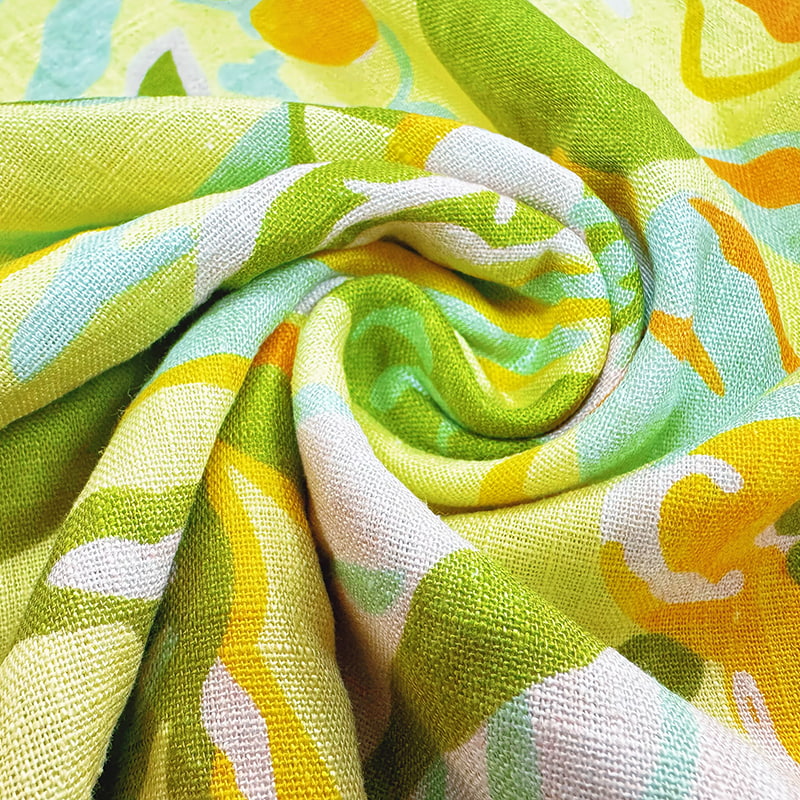 Lightweight and Durable Polyester Cotton Digital Sublimation Printing FabricThis product is made of high-quality/recycled polyester fiber, which achieves the printing effect of bright and saturated patterns and clear details through high-heat ...View Product →
Our lightweight and durable polyester-cotton digital sublimation printing fabric is a good example. It combines the quick-dry benefits of polyester with the softness of cotton. The fabric is engineered for moisture management, and the sublimation print will not crack or fade after repeated washing. For brands that need vibrant colors and reliable performance, this is a solid starting point.
Beyond sportswear, polyester is also a smart choice for outdoor gear, travel clothing, and uniforms where quick drying and durability matter. The key is to specify the right fabric weight, knit structure, and finish for your end use.
To answer the question “Does polyester make you sweat?” it helps to compare it directly with other common fibers. The table below summarizes key comfort and performance characteristics. No single fiber wins in every category.
| Fiber | Moisture Absorbency | Wicking Speed | Drying Speed | Breathability | Odor Retention | Printability |
|---|---|---|---|---|---|---|
| Cotton | High | Moderate | Slow | High | Low | Excellent (reactive) |
| Linen | High | Moderate | Medium | Very high | Low | Good (digital) |
| Viscose/Rayon | High | Moderate | Medium | High | Medium | Excellent (digital) |
| Wool | High | Slow | Slow | Medium | Low | Limited |
| Polyester | Very low | High (engineered) | Very fast | Variable | High | Excellent (sublimation) |
Cotton feels cool initially because it absorbs moisture. But once saturated, it stays wet and heavy. Linen is excellent in hot, dry climates because it breathes and dries relatively quickly. Viscose is soft and absorbent but can feel clammy when wet. Wool regulates temperature well but dries slowly. Polyester, when engineered correctly, offers the fastest drying speed and the best wicking. Its weakness is odor retention and the fact that a poorly constructed polyester can feel hot.
For printed fabrics, polyester has a distinct advantage: sublimation printing allows for photographic detail and vibrant colors without adding weight or reducing breathability. Cotton and viscose are usually printed with reactive inks, which also offer good color fastness but require more water and energy in the finishing process. We work with both systems, so we can recommend the best match for your product.
Printing is not just about decoration. The choice of printing method and the finishing steps that follow can significantly affect how a polyester fabric feels against the skin.
Digital inkjet printing applies pigment or dye directly to the fabric surface with precise droplets. It uses less water and energy than traditional printing, and it allows for short runs and rapid sampling. For polyester, digital inkjet printing is often used on blended fabrics or when the design requires fine detail. The process does not add a heavy layer of ink, so the fabric remains soft and breathable. Our factory uses ICC color calibration to ensure that the printed colors match your design intent from screen to sample to bulk.
Sublimation printing is specific to polyester and other synthetic fibers. The design is printed onto transfer paper with disperse dyes, then heat-pressed onto the fabric. The dye turns into gas and bonds with the polyester fibers. Because the dye is inside the fiber, the fabric retains its original hand feel, stretch, and moisture management properties. This is the preferred method for athletic wear, swimwear, and outdoor apparel. It is also excellent for all-over prints that must not crack or peel.
Reactive printing is used for natural fibers like cotton, linen, and viscose. It creates a strong covalent bond between the dye and the fiber, resulting in excellent wash fastness and a soft hand feel. For polyester-cotton blends, printers sometimes use a combination of reactive and disperse dyes. We offer both systems, and we can advise on the best approach for your blend ratio.
After printing, polyester fabrics often go through finishing steps such as washing, softening, calendering, or brushing. A silicone softener can make polyester feel silky and reduce static. Calendering can create a smooth, lustrous surface. Brushing can give a peach-skin effect. These treatments can also influence moisture management. For example, a hydrophilic softener can improve wicking, while a hydrophobic softener can make the fabric feel drier but less absorbent. We tailor the finish to your target market and performance requirements.
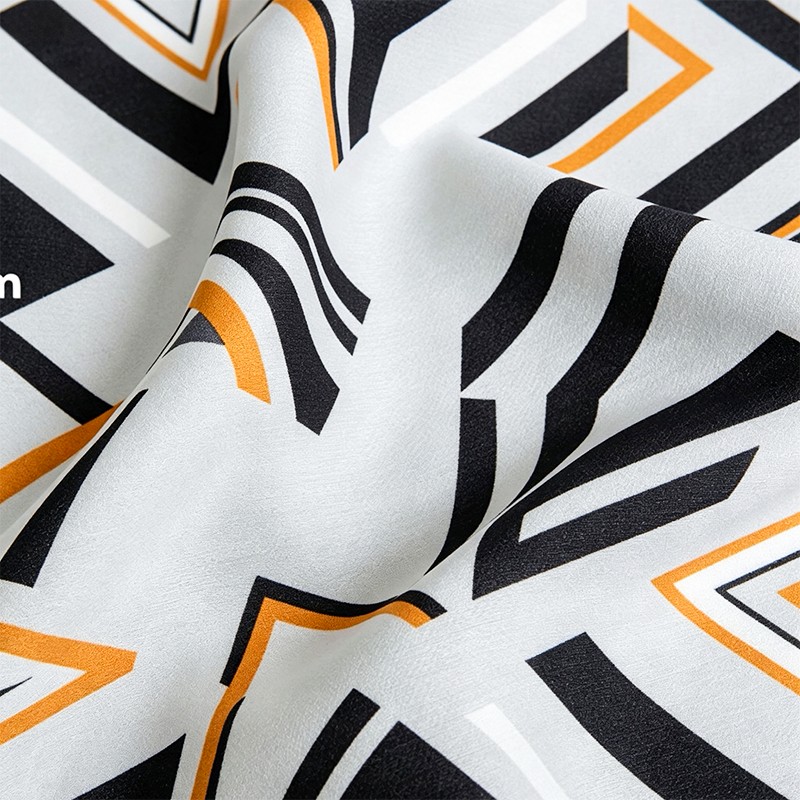 Crepe Polyester FabricCrepe Polyester is a lightweight fabric meticulously crafted to fully utilize the inherent properties of polyester crepe or produced through special twisting technique...View Product →
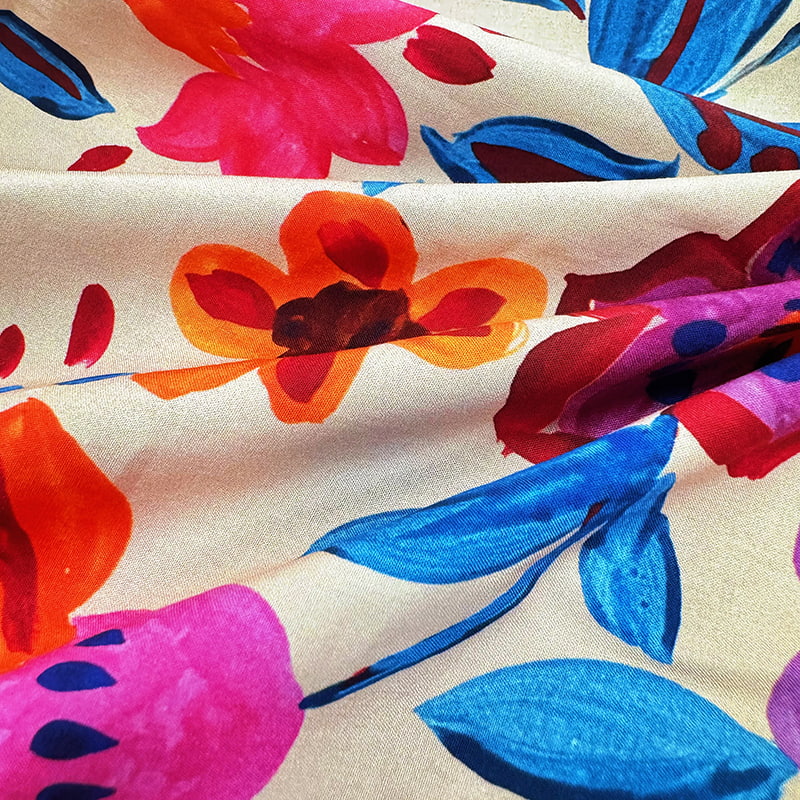
Take our crepe polyester fabric as an example. The high-twist yarn creates a textured, matte surface that feels dry and cool. The digital printing process adds pattern without compromising the crepe’s natural stretch and breathability. This fabric is popular for dresses, blouses, and scarves where comfort and drape are essential.
Different applications demand different performance attributes. Here is how we think about matching printed polyester to specific product categories.
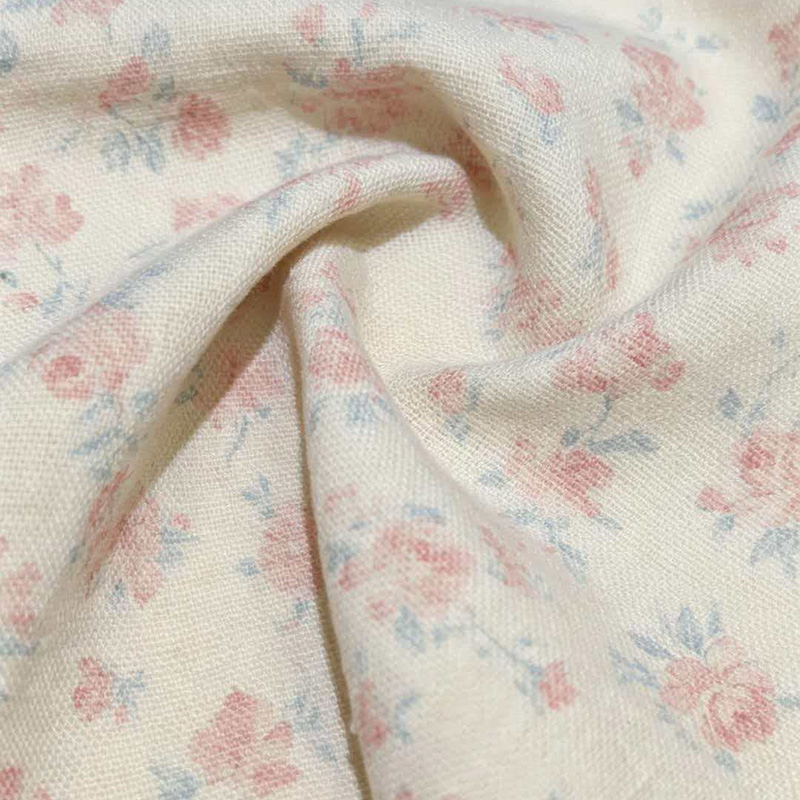
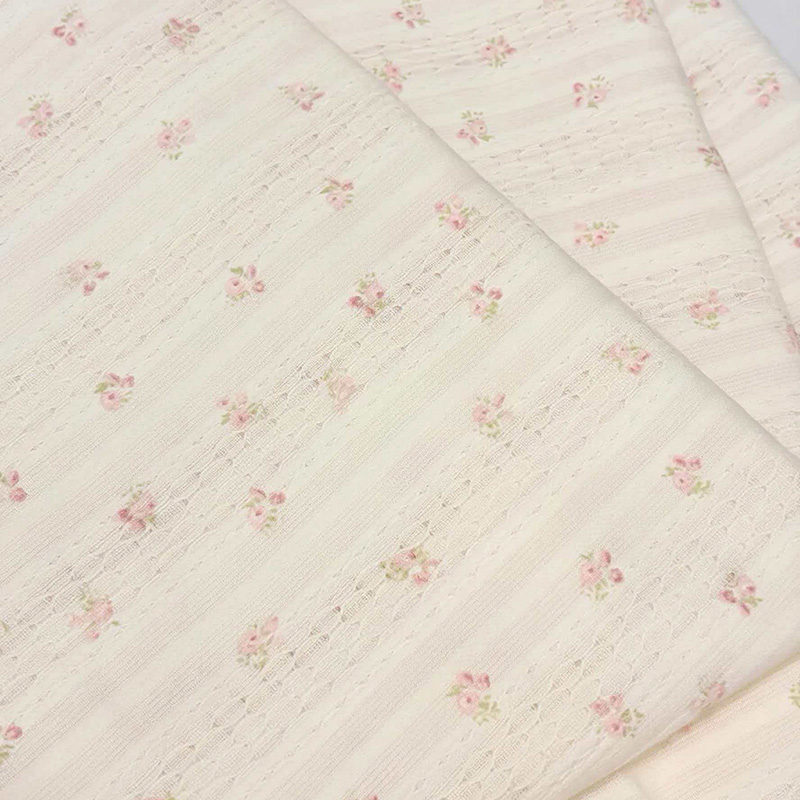
For dresses, blouses, and trousers, drape and hand feel are critical. A printed polyester crepe or a polyester-rayon-viscose blend offers a soft, flowing drape with the quick-dry benefits of polyester. Digital inkjet printing can reproduce delicate floral or geometric patterns with high resolution. If you need a natural fiber look, consider our breathable cotton reactive printing fabric as an alternative for summer collections.
Performance is the priority. Look for sublimation-printed polyester knits with wicking finishes. These fabrics move sweat away from the skin and dry fast. They are ideal for running shirts, cycling jerseys, and hiking apparel. The print will not fade or crack because the dye is part of the fiber.
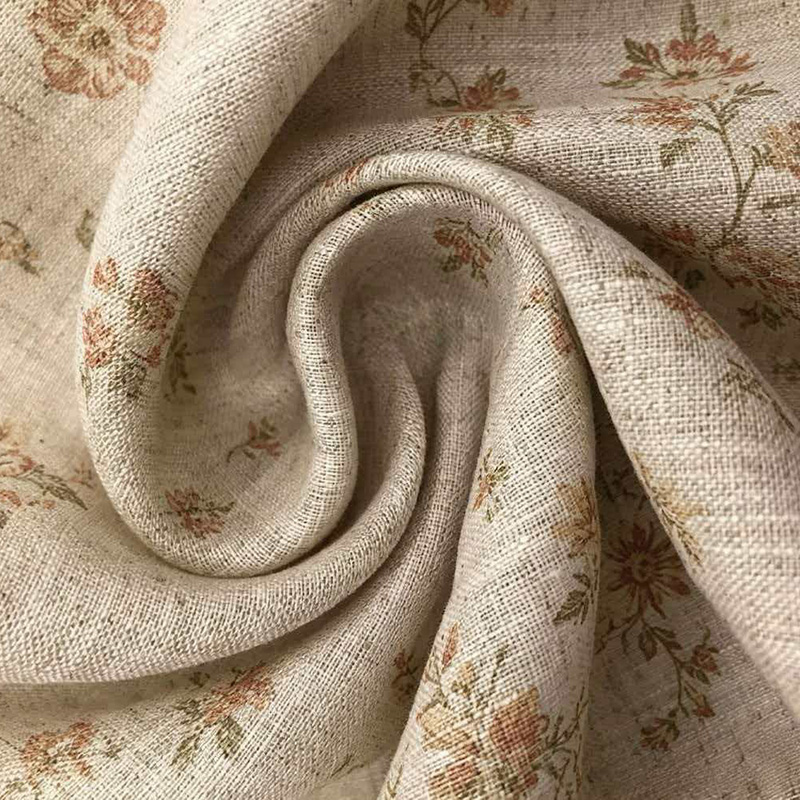
For cushions, curtains, and table linens, durability and color fastness matter more than moisture management. Printed polyester fabrics can mimic the look of linen or cotton while resisting wrinkles and fading. Digital printing allows for custom patterns and small batch production.
Scarves, tote bags, and small accessories benefit from vibrant, detailed prints. Polyester crepe and sheer fabrics are excellent canvases for artistic designs. They are lightweight, easy to care for, and hold color beautifully.
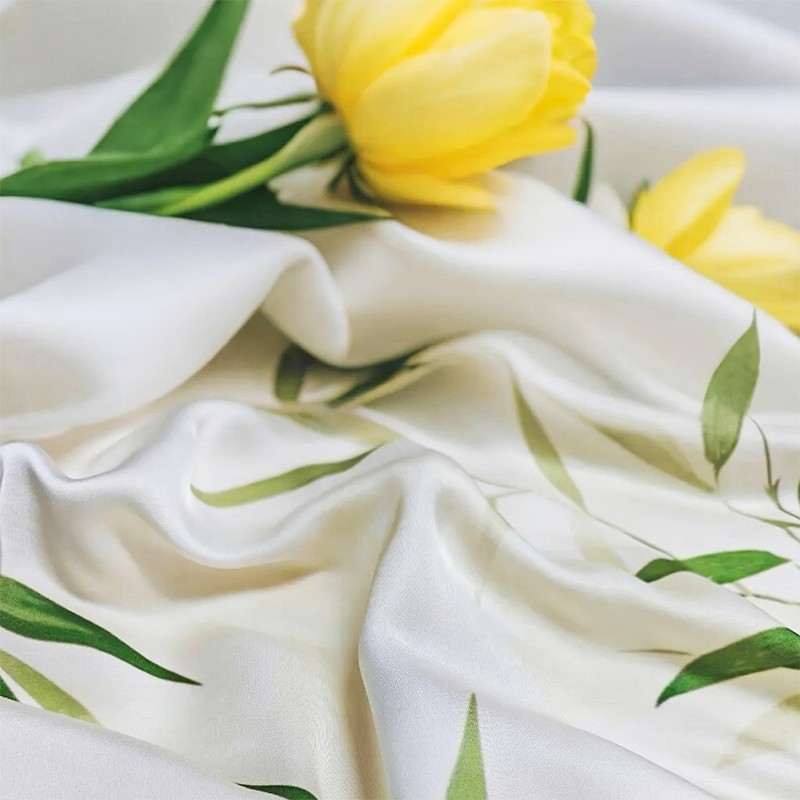 Polyester Crepe-Rayon / Viscose Series FabricThis is a high-end fabric that combines ultra-fine polyester crepe yarn with regenerated fibers (viscose), specially designed for women’s clothing that seeks a comfort...View Product →
Our polyester crepe rayon viscose series fabric is a versatile option that bridges fashion and comfort. It combines the strength of polyester with the softness of rayon and viscose. The result is a fabric that drapes well, feels cool, and accepts digital prints with excellent clarity. For more technical details on reactive printing, you can read our guide on what is fiber reactive fabric. It explains how reactive dyes work and why they are a good choice for natural fiber blends.
When you specify a printed polyester fabric, you should not rely on marketing claims alone. Ask for test reports that quantify moisture management performance. Here are the key tests we recommend.
| Test | What It Measures | Relevance to Sweat |
|---|---|---|
| AATCC 195 | Liquid moisture management properties | Evaluates wicking, spreading, and drying time |
| ISO 11092 | Thermal and water-vapor resistance | Indicates breathability and heat retention |
| AATCC 79 | Absorbency of textiles | Shows how quickly a fabric takes up water |
| ASTM D737 | Air permeability | Measures how easily air passes through the fabric |
| AATCC 100 | Antibacterial finish assessment | Relevant for odor control in polyester |
These tests provide objective data. For example, a polyester fabric with a short drying time and high wicking rate will feel much less sweaty than a fabric with poor wicking, even if both are 100% polyester. We can arrange testing through third-party labs and provide the reports with your order.
It is also important to test after printing and finishing. Some finishes can reduce wicking. A fabric that performs well in greige form may lose some of its moisture management properties after a hydrophobic softener is applied. Always test the final, finished fabric.
If you are designing or buying polyester garments, these practical tips can help you avoid the sweaty feeling that consumers dislike.
These small adjustments can make a big difference in how a polyester garment feels. We often work with brands to select the right base fabric and finish before printing, so the final product meets both aesthetic and comfort goals.
Polyester is evolving. Recycled polyester, made from PET bottles and ocean waste, is becoming mainstream. It offers the same performance as virgin polyester but with a lower environmental footprint. Bio-based polyester, derived from plant sources, is also emerging. These innovations do not change the fundamental moisture management properties, but they help brands meet sustainability targets without sacrificing comfort.
Smart finishes are another frontier. Phase-change materials can absorb and release heat, helping to regulate skin temperature. Cooling finishes with menthol derivatives can create a refreshing sensation. Antibacterial treatments can reduce odor in polyester, addressing one of its main drawbacks. At our factory, we continuously test new finishes and printing techniques to offer our clients the best of both worlds: beautiful prints and comfortable wear.
We believe that polyester does not have to make you sweat. With the right engineering, printing, and finishing, it can be one of the most comfortable and functional fibers available. The key is to work with a manufacturing partner who understands the science and can execute the details.
So, does polyester make you sweat? It depends entirely on the fabric. A cheap, dense, unmodified polyester will trap heat and moisture. A well-engineered, printed polyester can wick sweat away, dry quickly, and feel cool against the skin. As a printed fabric manufacturer, we have seen both sides. We help brands choose the right fiber blend, construction, printing method, and finish for their specific application. Whether you are developing activewear, fashion apparel, home textiles, or gift items, we can produce a printed polyester that meets your comfort and performance standards. Explore our digital printing and reactive printing capabilities, and let us help you create a fabric that your customers will love to wear.
 Wholesale Digital Printed Fabric Manufacturers
 English
 中文简体
 Español
 عربى