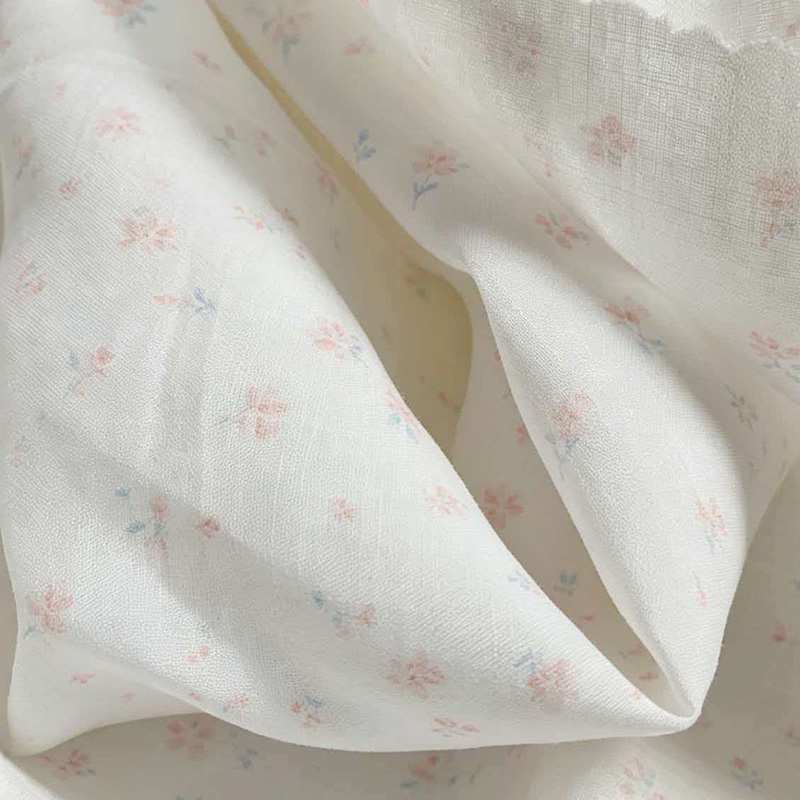
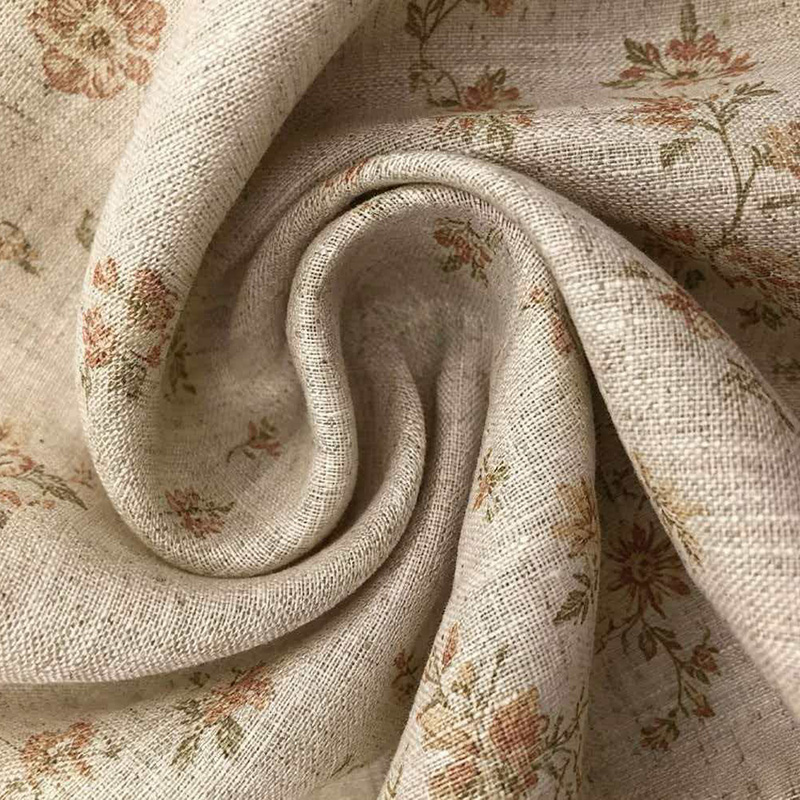
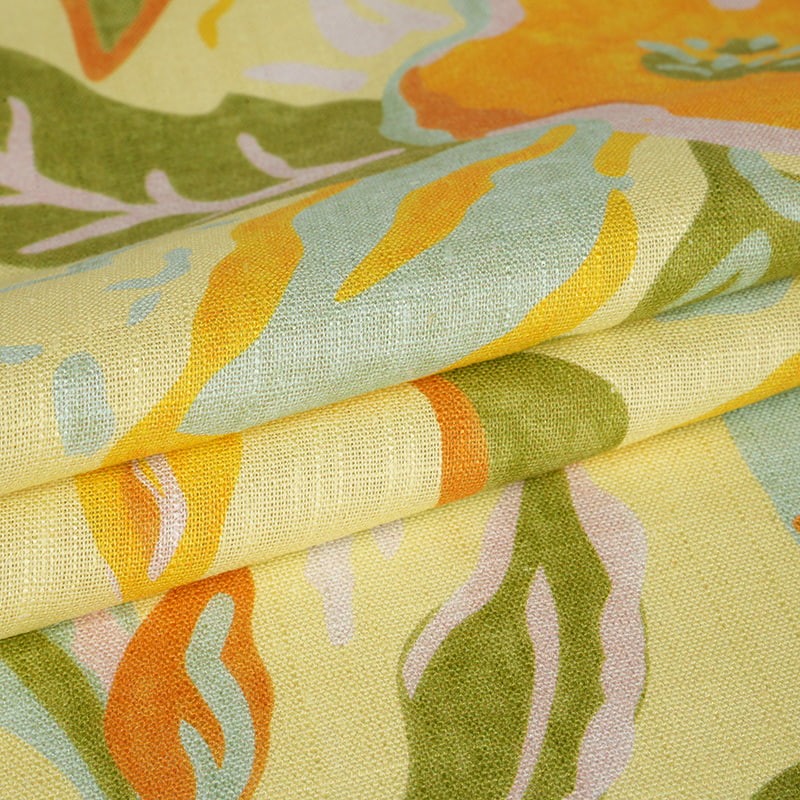
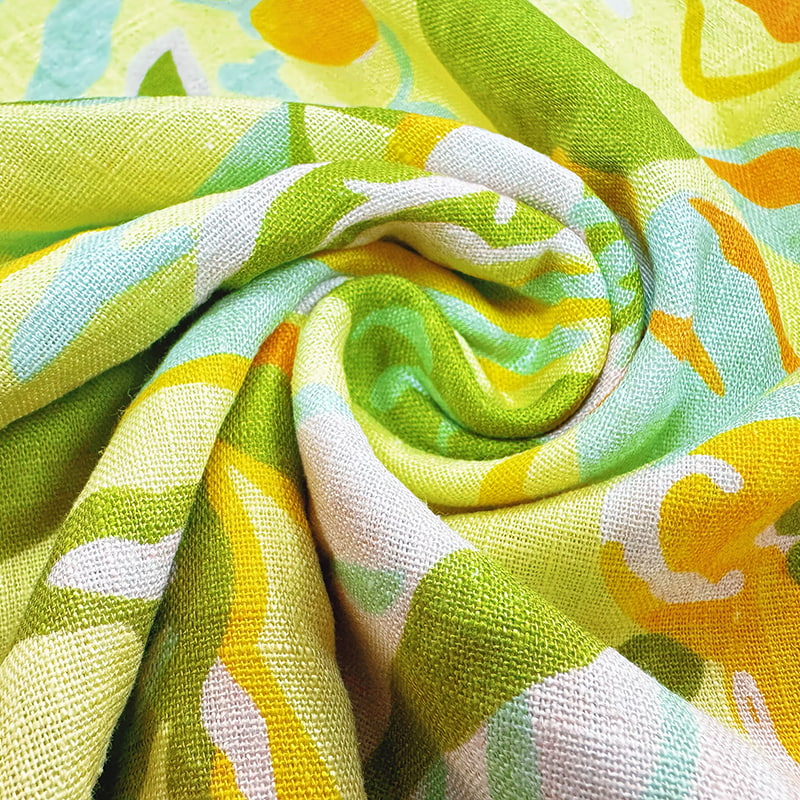
Made-to-Spec Printed Fabric
Monofilament Sheer · Custom Print · Quick Response
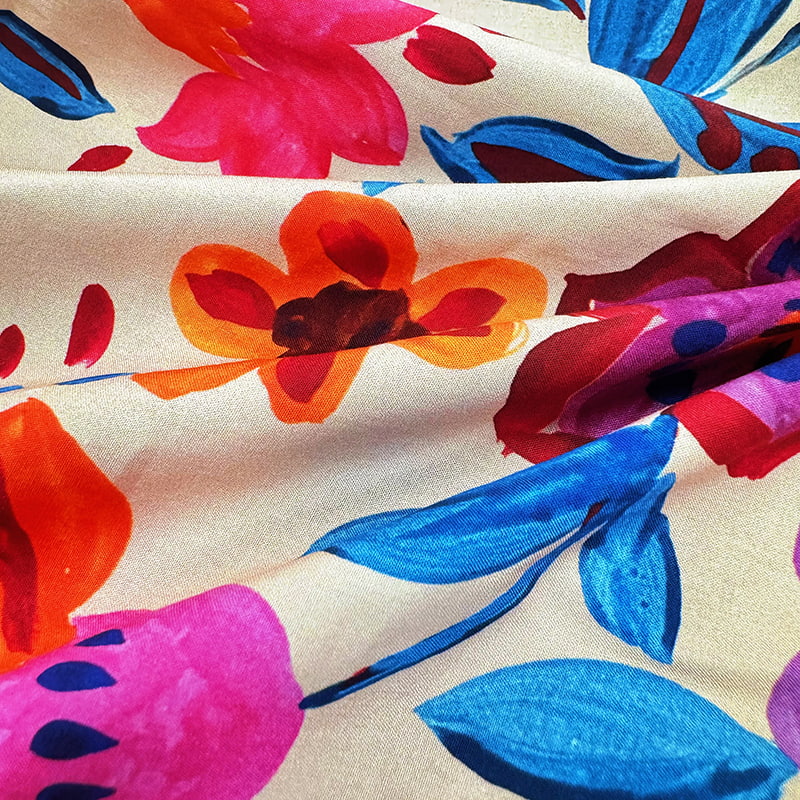
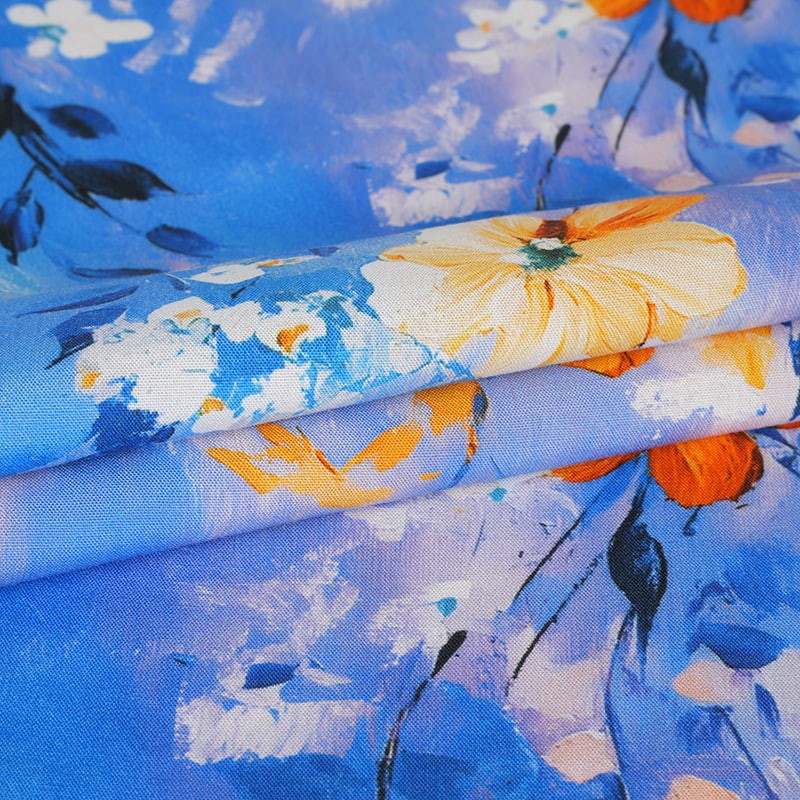
Watercolor Effect Digital
Printing Sheer Fabric
Monofilament Sheer Base · Digital Inkjet Printing · Low MOQ · Fast Sampling
Sustainable
Quick Response
Infinite Gamut
Sharp Repeat AccuracyConsistent placement roll to roll
No Per-Color SurchargeComplex artwork, flat pricing
Fast Strike-Off ServiceSee real cloth within days
Flexible MinimumsScales from sample to bulk
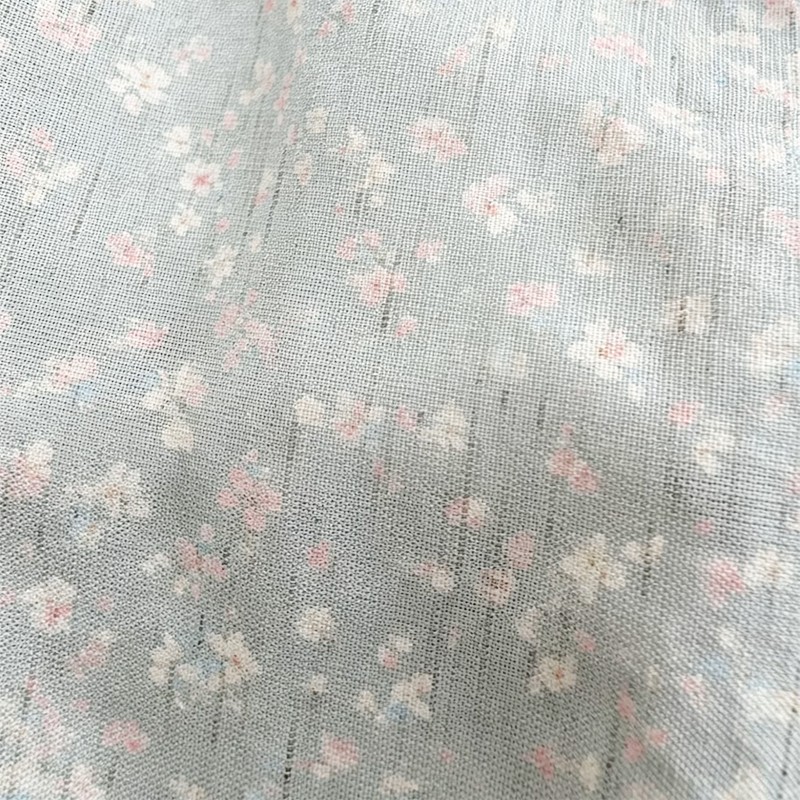
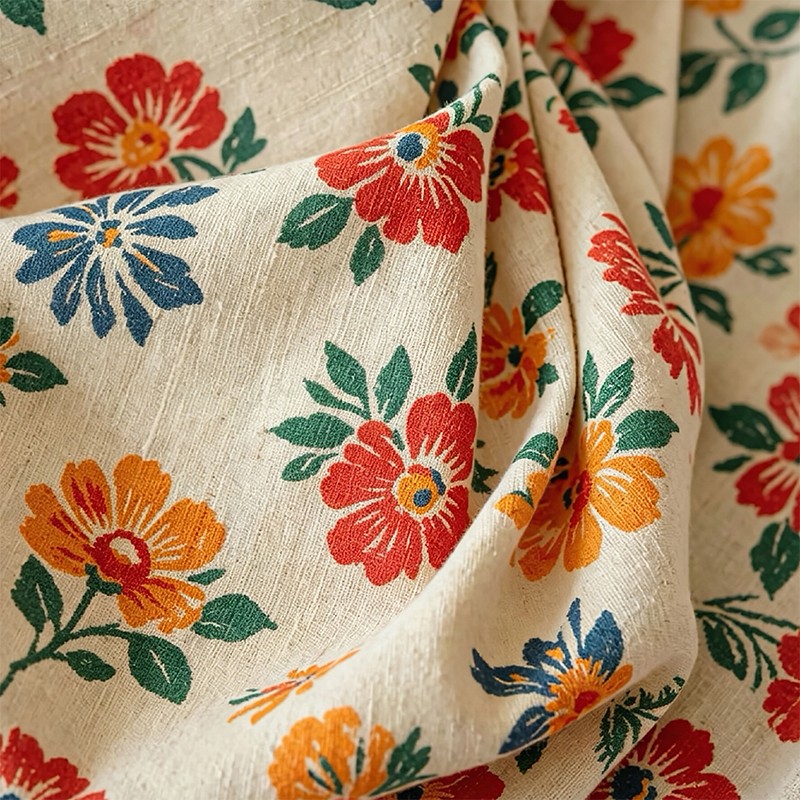
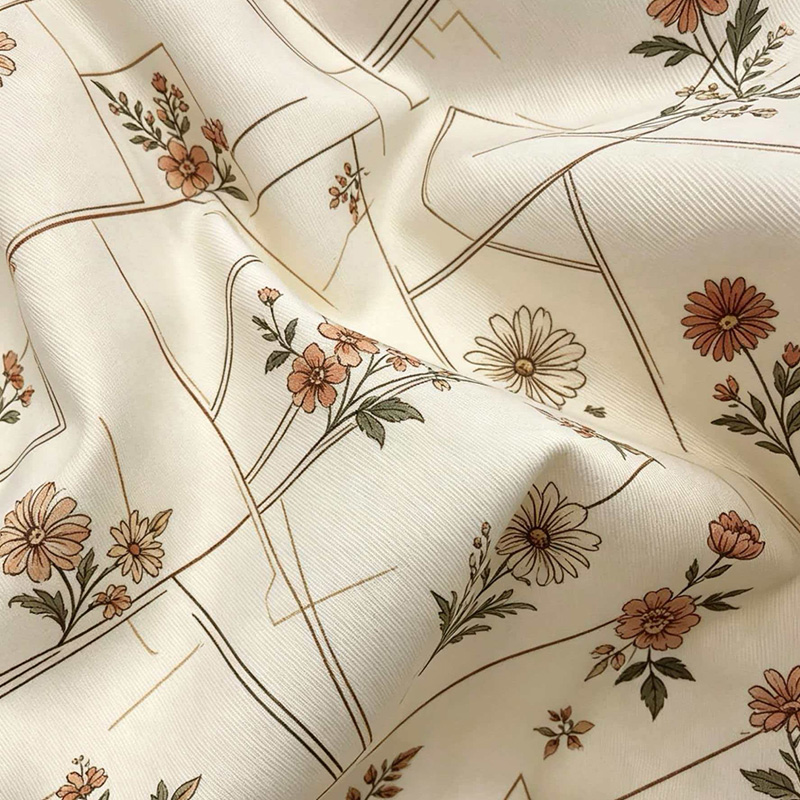
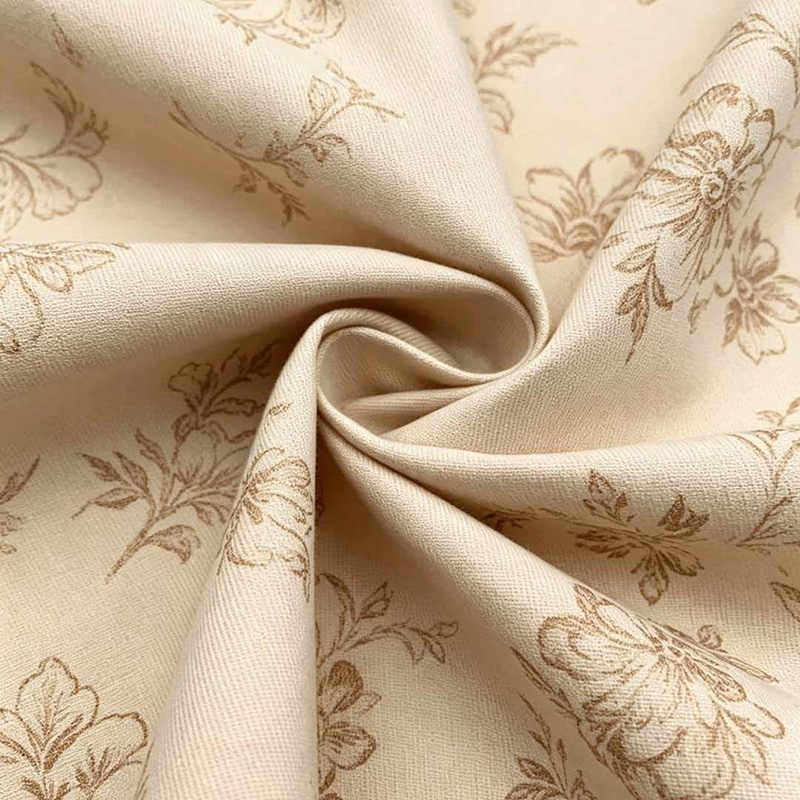
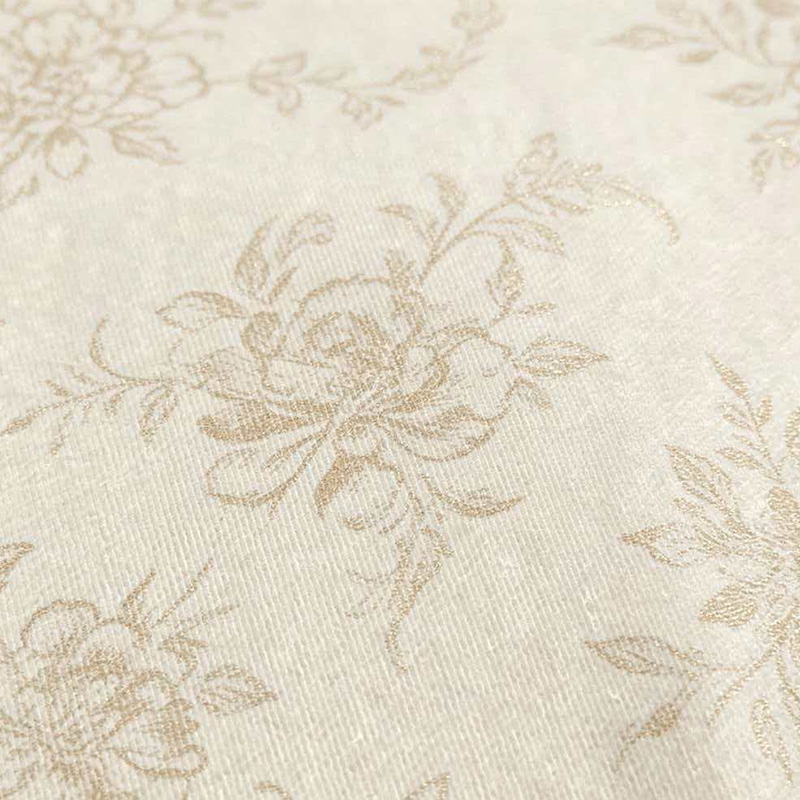
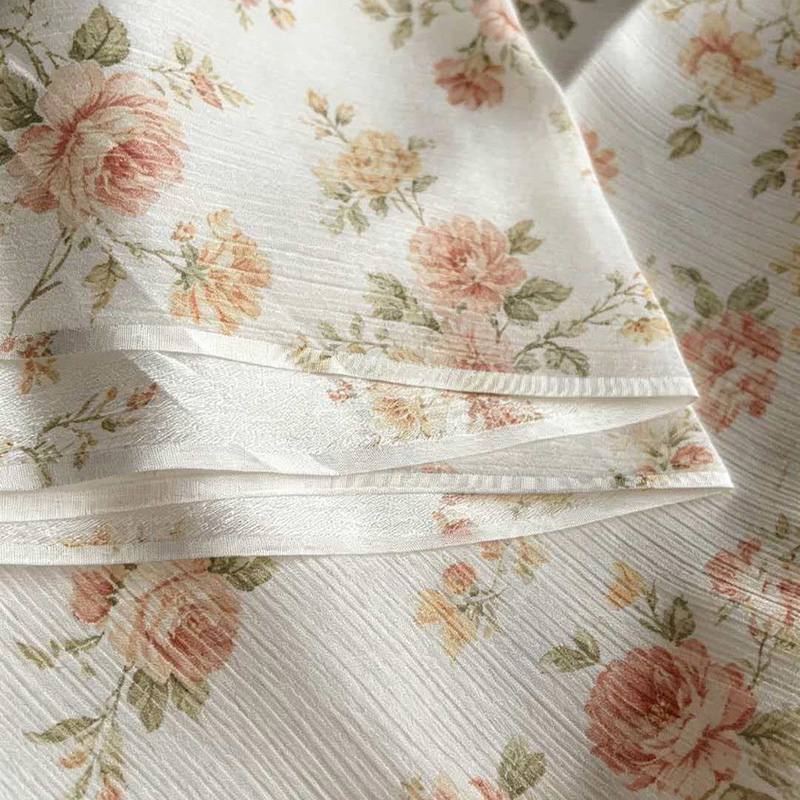
Watercolor Effect Digital Printing Sheer Fabric is developed around one simple goal: give designers a cloth that carries color and detail cleanly while still feeling right against the skin or draping well on a frame. Built on a Monofilament Sheer base and finished using Digital Inkjet Printing, this fabric is developed for buyers who need reliable color reproduction alongside a hand feel that suits real garments or finished textile items, not only a swatch card.
Understanding the base fiber. Monofilament yarn is a single continuous synthetic filament rather than a bundle of shorter, twisted fibers, which is what gives sheer monofilament cloth its clean, almost glass-like surface. Because a monofilament yarn has no fiber ends protruding from its surface, cloth woven from it produces very little lint or shedding compared with a staple-fiber sheer fabric. The open, low-density weave typical of monofilament sheer fabric is deliberately engineered for light transmission, which is the defining visual property buyers are selecting this material for.
How digital inkjet printing works on this cloth. Because there is no screen inventory to store, clean, or dispose of, digital inkjet printing also tends to generate less water use and chemical waste per meter than conventional paste-based printing routes. Digital inkjet printing works by driving a design file directly to a bank of computer-controlled printheads, which deposit dye or pigment droplets onto the moving fabric with no engraved screen, no fixed color count, and no repeat-size ceiling imposed by tooling.
gives watercolor effect pattern work a base cloth capable of reproducing fine detail, tonal shifts, and clean repeat lines without losing definition. A watercolor look depends entirely on soft, bleeding-edge gradients rather than hard pattern outlines, so the printing process needs to reproduce subtle tonal gradation smoothly across the cloth without banding, which is a specific technical challenge distinct from printing flat, outlined artwork.
Performance and testing. Beyond visual pattern matching, finished rolls are checked for dimensional stability after washing, tensile strength, and, where relevant, pH and residual formaldehyde content, so the specification sheet reflects tested performance rather than assumed performance. Within the normal range expected of monofilament sheer, this line targets dependable colorfastness to rubbing, washing, and light rather than the bare minimum a certificate would require.
Sourcing flexibility. This flexibility extends to reorders as well: because the original file is retained, a repeat order months later reproduces the same colors and pattern placement without needing to rebuild tooling or requalify the design from scratch.
A common real-world pattern is a buyer submitting artwork on a Monday, receiving a digital proof within a day or two, approving a physical strike-off sample by the end of the week, and moving straight into scheduled bulk production once that sample is signed off.
Quality control. Because shade can drift subtly between production batches even with tight process control, every bulk order is checked against the buyer-approved strike-off sample rather than against a general in-house color standard, so what ships matches what was approved.
This combination of fiber, print method, and finishing is offered as a starting specification; weight, width, finish, and color can all be adjusted within the ranges noted below to fit a specific brief.
Specification
| Material Composition | Monofilament Sheer (blended or modified options available on request) |
| Fabric Weight | 30 to 60 GSM, customizable to order |
| Fabric Width | 58 to 118 inches (150 to 300 cm) |
| Weave Type | Crepe weave, other constructions available |
| Printing Technology | Digital Inkjet Printing with reactive or disperse dye, high resolution up to 1440 dpi |
| Color Gamut | Unlimited colors and gradients, supports Pantone color matching |
| Pattern Repeat | Custom repeat size, no limitation from screen size |
| Colorfastness | Rubbing (dry and wet), washing, and light fastness tested to standard benchmarks |
| Finish | Soft hand finish as standard, options for anti-wrinkle or matte finish |
| Roll Length | Approximately 40 to 60 meters per roll, subject to weight and width |
| Shrinkage | Within 3 to 5 percent after washing, in line with typical fiber behavior |
Application
Watercolor Effect Digital Printing Sheer Fabric fits comfortably across apparel, accessory, and home textile production, thanks to its printable surface and dependable hand feel.
- Watercolor Effect collections - a watercolor look depends entirely on soft, bleeding-edge gradients rather than hard pattern outlines, so the printing process needs to reproduce subtle tonal gradation smoothly across the cloth without banding, which is a specific technical challenge distinct from printing flat, outlined artwork
- Sample and capsule collections - suited to brands testing new prints in smaller quantities before bulk commitment
- Private label programs - a stable base specification that a brand can build a recurring seasonal print program around
- Womenswear - dresses, blouses, skirts, and kimonos where fluid movement and print detail both matter
- Home textiles - curtains, cushion covers, table linens, and bedding accents with a distinctive printed motif
Because pattern files are digital, buyers can move from concept sketch to finished sample in a short window, useful for fast fashion cycles, limited editions, and private label programs.
Advantage
Choosing watercolor effect digital printing sheer fabric brings a combination of visual, practical, and production benefits that are difficult to match with generic stock fabric.
- No screen costs or color limits - every design is treated the same way regardless of how many colors it contains
- Fast sampling and short lead time - new patterns can be produced quickly, supporting fast moving fashion calendars
- High resolution reproduction - printheads resolve fine linework and small repeat detail that paste-based printing tends to soften
- Watercolor Effect pattern support - A watercolor look depends entirely on soft, bleeding-edge gradients rather than hard pattern outlines, so the printing process needs to reproduce subtle tonal gradation smoothly across the cloth without banding, which is a specific technical challenge distinct from printing flat, outlined artwork.
- Low minimum quantities - suitable for small brands, private label projects, and test orders
- Custom colorways on demand - the same base artwork can be recolored for different markets or seasons
Together, these advantages make it easier for brands to differentiate their collections while keeping development risk and lead time under control.
Payment and Shipping
Ordering is structured to work whether you need a handful of meters for a first sample or a full container of bulk production.
Payment Terms
- Deposit via bank transfer to start production, with the balance cleared before dispatch
- Confirmed bulk orders can be settled by sight letter of credit
- Small sample and trial orders are commonly paid by card or PayPal
- Marketplace trade-assurance payment is available for buyers who want that added protection
Shipping Options
- Sea freight for bulk volume, kept economical through full or shared container loads
- Air freight where a launch date or reorder deadline makes sea freight too slow
- Courier delivery for sample yardage, usually the fastest way to get fabric in hand
- Standard Incoterms including FOB, CIF, and EXW, negotiated per order
Exact lead time depends on order quantity, print complexity, and finishing requirements; see the summary information table below for standard guidance.
ABOUT OUR COMPANY
Professional Manufacturer of Printed Fabrics
-
10,000,000
Annual Production
Capacity(meter)
Factory using the latest printing technology and equipment, to ensure product delivery in a timely manner.
-
180+
Factory Workers
Each production link has deep control to ensure product quality.
-
150+
Served Domestic and Foreign Customers
Our high quality products, from the customer's trust.
WHY CHOOSE US
Provide Excellent Service at
Every Stage of Fabric Production
Comprehensive printing technology
We have a comprehensive printing process to meet the needs of different customers.
High-speed digital direct injection
Heat transfer printing
Professional Color Management
ICC color correction is used to ensure that the screen design and proofing are highly consistent with the bulk color.
Full-process color management system
Professional ICC color management
Fabric Consulting Service
According to your product needs, accurately match the best fabric and printing process combination.
Professional guidance, accurate decision-making
Reduce cost and increase efficiency, avoid risk
Innovation Research & Development
Track global patterns and color trends to provide customers with forward-looking design inspiration.
Technology-driven product innovations
Trends define the future
Flexible Production
Flexible to undertake orders of various sizes, support on-demand production.
On-demand customization, flexible supply
Agile response, small single fast reaction
Summary Information Key Data
| MOQ | 400 meters per design (sample yardage available below MOQ upon request) |
| Lead Time | Expect roughly a week for samples and two to three and a half weeks for bulk, with exact timing set by order volume and finishing |
| Packaging | Fabric is rolled onto tubes, sealed in moisture-resistant film, and boxed or bagged for export shipping |
| Certifications | OEKO-TEX Standard 100 available; other certifications provided on request |
| Raw Materials | Monofilament Sheer, sourced from qualified fiber and yarn suppliers, tuned for watercolor effect pattern work |
| Customization Options | Custom pattern, custom colorway, custom weight and width, custom finish, and private label packaging |
Wholesale Pricing Tiers
Competitive wholesale pricing structured to support your production scale. All prices are FOB (Shanghai / Ningbo) and subject to final confirmation based on design complexity, color count, and finishing requirements.
| Order Volume |
500 – 999 meters |
1,000 – 2,999 meters |
3,000 – 4,999 meters |
5,000+ meters |
| Price per meter (USD) |
$9.26 – $9.76 |
$8.76 – $9.16 |
$8.26 – $8.66 |
$7.66 – $8.06 |
| Sample Deduction |
Sample cost deducted from final invoice |
Sample cost deducted from final invoice |
Sample cost deducted + complimentary 5m extra |
Free samples + complimentary 10m extra |
| Lead Time |
18 – 22 days |
15 – 20 days |
14 – 18 days |
12 – 16 days |
* Pricing varies by design complexity and finishing. Contact our sales team for a firm quote based on your artwork and specifications.
Customization Capabilities
Customization here is treated as the default rather than the exception, since most orders on this line start from a buyer brief rather than an off-the-shelf design. On a watercolor effect pattern line, customization requests most often focus on color palette and repeat scale rather than the base cloth itself.
Design & Pattern
- Flexible file formats – AI, EPS, PDF, PSD, or high-resolution raster files all accepted
- No color-count ceiling – complex, multi-color artwork costs the same as a simple one
- Photographic and gradient printing – smooth tonal blending reproduced accurately
- Brand color matching – Pantone references honored where technically achievable
Material & Construction
- Base fiber – Monofilament Sheer, with blended or modified options on request
- Fabric weight – 30 to 60 GSM, adjustable to your requirement
- Fabric width – 58 to 118 inches (150 to 300 cm)
- Certified materials – OEKO-TEX Standard 100 and other certifications available
Finish & Treatment
- Comfort-first soft finish – the default hand feel across this line
- Wrinkle-recovery treatment – reduces visible creasing after packing or travel
- Matte surface option – trims reflectivity for a more understated look
- Anti-pilling or anti-static finish – optional, for goods with heavier daily use
Packaging & Labeling
- Private label packaging – custom-printed roll headers and labels
- Custom tube/core – branded or color-coded cores available
- Moisture-proof wrapping – standard for export protection
- Hang tags / swing tags – designed to your brand specifications
* Minimum order quantities and lead times for customized specifications may vary. Please consult our technical team for feasibility and timeline confirmation.
Sample Policy
A sample stage exists specifically so color, hand feel, and pattern scale can be checked on real cloth before a production commitment is made, not judged from a screen proof alone.
Standard Samples (Stock Designs)
- Cut length – 1 to 5 meters per stock design
- Turnaround – 3 to 5 business days from request
- Cost – No charge for the fabric, buyer covers shipping
- Bulk credit – Sample value credited against the first production invoice
Custom Samples (Strike-Off)
- Sample yardage – 1 to 3 meters of your custom artwork on actual base cloth
- Lead time – 5 to 7 business days (after artwork approval)
- Sample cost – $50 – $150 per design depending on complexity
- Deduction – 100% of sample cost deducted from first bulk order invoice
Important Notes for Sample Orders
- File requirements – 300 dpi, CMYK, print-ready files with the repeat clearly marked
- Proofing – a digital color proof is shared before the physical strike-off is produced
- Adjustments – two rounds of color or scale changes are covered within the sample fee
- Refund path – the sample fee is credited back once a 1,000+ meter bulk order is confirmed within 60 days
* All sample orders are subject to production capacity. Expedited sample service (2–3 days) is available for an additional fee.
Because this line is built around watercolor effect pattern work, sample review pays particular attention to print detail: A watercolor look depends entirely on soft, bleeding-edge gradients rather than hard pattern outlines, so the printing process needs to reproduce subtle tonal gradation smoothly across the cloth without banding, which is a specific technical challenge distinct from printing flat, outlined artwork.
Printing Process Comparison
Understanding how digital inkjet printing compares with the alternative printing route helps explain why this fabric fits its target production well.
| Comparison Item | Digital Inkjet Printing | Traditional Screen / Reactive Printing |
| Setup Requirement | No screens needed, prints directly from digital file | Requires a separate screen or fixation batch for each color/run |
| Minimum Order Quantity | Low, suitable for small and sample runs | Higher, batch processing favors larger volumes |
| Sampling Time | Fast, typically a few days | Slower, screen or batch preparation adds time |
| Color Limitation | Unlimited colors and gradients in one design | Limited by screens or color-mix batches used |
| Pattern Complexity | Handles fine detail, photorealistic and gradient artwork easily | Best suited to simpler, flat color designs |
In short, digital inkjet printing trades some of the per-meter cost efficiency of very large, simple designs for far greater flexibility and turnaround speed on monofilament sheer.
Sustainability
Digital Inkjet Printing is, by its nature, a resource-conscious way to add color and pattern to fabric, since dye is applied only where the design calls for it, reducing waste compared with less targeted processes.
The base fiber, Monofilament Sheer, is selected and finished with process control in mind. The open, low-density weave typical of monofilament sheer fabric is deliberately engineered for light transmission, which is the defining visual property buyers are selecting this material for. A watercolor look depends entirely on soft, bleeding-edge gradients rather than hard pattern outlines, so the printing process needs to reproduce subtle tonal gradation smoothly across the cloth without banding, which is a specific technical challenge distinct from printing flat, outlined artwork.
For buyers with compliance needs, OEKO-TEX Standard 100 certified fabric and relevant test documentation can be discussed on a per-order basis.
Custom Development Process
Bringing a custom printed fabric from concept to finished roll follows a clear, predictable sequence.
- Step 1, Brief and Artwork - send your design file, or describe the colors, motif, and repeat scale you're after
- Step 2, Screen Proof - we prepare an on-screen color and layout proof for your review before anything is printed
- Step 3, Physical Strike-Off - a small run is printed on the real base cloth so you can check it in hand
- Step 4, Refinement - color, scale, or repeat placement is adjusted based on your feedback
- Step 5, Production Release - approval of the strike-off releases the order into bulk production
- Step 6, Inspection - every finished roll is checked against the approved sample before packing
- Step 7, Export Packing - rolls are packed for the shipping method you've chosen and dispatched
Industry Applications
Different industries draw on watercolor effect digital printing sheer fabric for different reasons, but the common thread is the need for a printable cloth that also performs as a finished textile.
Fashion and Apparel Brands
Used for watercolor effect collections: A watercolor look depends entirely on soft, bleeding-edge gradients rather than hard pattern outlines, so the printing process needs to reproduce subtle tonal gradation smoothly across the cloth without banding, which is a specific technical challenge distinct from printing flat, outlined artwork.
Home Textile and Décor
Chosen for interior projects where a room-specific print needs to hold its color under sustained window or ambient light exposure.
Hospitality and Gifting
Selected by hospitality and gifting buyers who need a recognizable, on-brand pattern that can be reproduced consistently order after order.
Quality Testing Standards
Every printed batch is checked against a consistent set of test items, so buyers know what performance level to expect from monofilament sheer.
| Test Item | Reference Standard |
| Colorfastness to Rubbing (Dry and Wet) | ISO 105-X12 or AATCC 8 |
| Colorfastness to Washing | ISO 105-C06 or AATCC 61 |
| Colorfastness to Light | ISO 105-B02 |
| Dimensional Shrinkage | ISO 5077 or AATCC 135 |
| Tensile Strength | ISO 13934-1 or ASTM D5034 |
| pH Value | ISO 3071 |
| Formaldehyde Content | ISO 14184-1 |
Test reports for the standards above can be provided on request, with additional testing arranged for specific regional compliance requirements.
Fabric Variant Comparison
The base specification for Monofilament Sheer can be adjusted along a few key dimensions to suit different end uses. Monofilament yarn is a single continuous synthetic filament rather than a bundle of shorter, twisted fibers, which is what gives sheer monofilament cloth its clean, almost glass-like surface. A watercolor look depends entirely on soft, bleeding-edge gradients rather than hard pattern outlines, so the printing process needs to reproduce subtle tonal gradation smoothly across the cloth without banding, which is a specific technical challenge distinct from printing flat, outlined artwork.
| Variant | Typical Weight | Best Suited For |
| Standard Monofilament Sheer, Plain Construction | 30 to 60 GSM | General apparel, scarves, and light home textile items |
| Monofilament Sheer with Stretch Blend | 30 to 60 GSM | Fitted garments needing added stretch and recovery |
| Monofilament Sheer, Textured Weave | 30 to 60 GSM | Pieces where a subtle textured surface adds interest |
| Heavyweight Monofilament Sheer | 30 to 60 GSM | Curtains, cushion covers, and structured home textile items |
FAQ
- Q: What is Watercolor Effect Digital Printing Sheer Fabric?
A: It is a monofilament sheer base cloth printed using digital inkjet printing, allowing unlimited colors, fine detail, and gradient artwork to be reproduced directly onto the fabric surface.
- Q: What makes this base cloth suited to watercolor effect artwork?
A: A watercolor look depends entirely on soft, bleeding-edge gradients rather than hard pattern outlines, so the printing process needs to reproduce subtle tonal gradation smoothly across the cloth without banding, which is a specific technical challenge distinct from printing flat, outlined artwork.
- Q: What is the minimum order quantity?
A: MOQ depends on the specific pattern and fabric weight ordered; smaller trial and sample quantities are available below that threshold, as shown in the summary information table.
- Q: Can I use my own custom design or artwork?
A: Yes. Send your own design file and we will prepare it for printing, checking color reproduction and repeat placement before production starts.
- Q: What fabric weights and widths are available?
A: Standard weight is around 30 to 60 GSM, and standard width is 58 to 118 inches (150 to 300 cm), with other specifications available on request.
- Q: Is the fabric colorfast?
A: Yes. After printing, the cloth is steamed, washed, and fixed, then checked for rubbing, washing, and light fastness against standard benchmarks.
- Q: How long does production take after the design is confirmed?
A: It depends mainly on order volume and pattern complexity. General timing is in the summary information table, and rush options can be arranged for urgent orders.
- Q: Do you provide free samples before bulk order?
A: Sample yardage can be arranged so you can check the hand feel, print quality, and color accuracy before committing to a full production order.
- Q: Can I order different colorways of the same print?
A: Yes. Because the design file is digital, it can be recolored into different colorways without any new tooling or screens required.


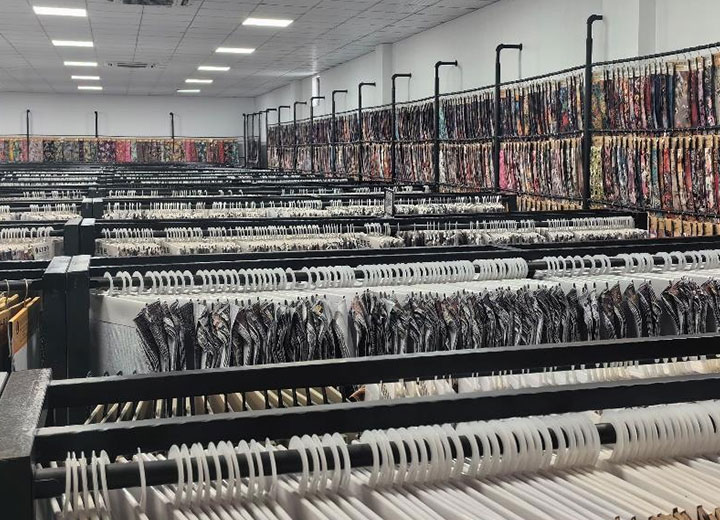


 Wholesale Watercolor Effect Digital Printing Sheer Fabric Manufacturers
 English
 中文简体
中文简体 Español
 عربى
عربى