Digital Printing Specialist
Viscose · Custom Print · Quick Response
Soft Handfeel Digital
Printed Viscose Fabric
Viscose Base · Digital Inkjet Printing · Low MOQ · Fast Sampling
Vivid Color
Low MOQ
Fast Turnaround
Wide Color GamutPhotographic and gradient artwork
Flat Per-Design CostColor count doesn't change price
Quick TurnaroundStrike-offs in days, not weeks
Small-Batch FriendlyNo large-volume commitment
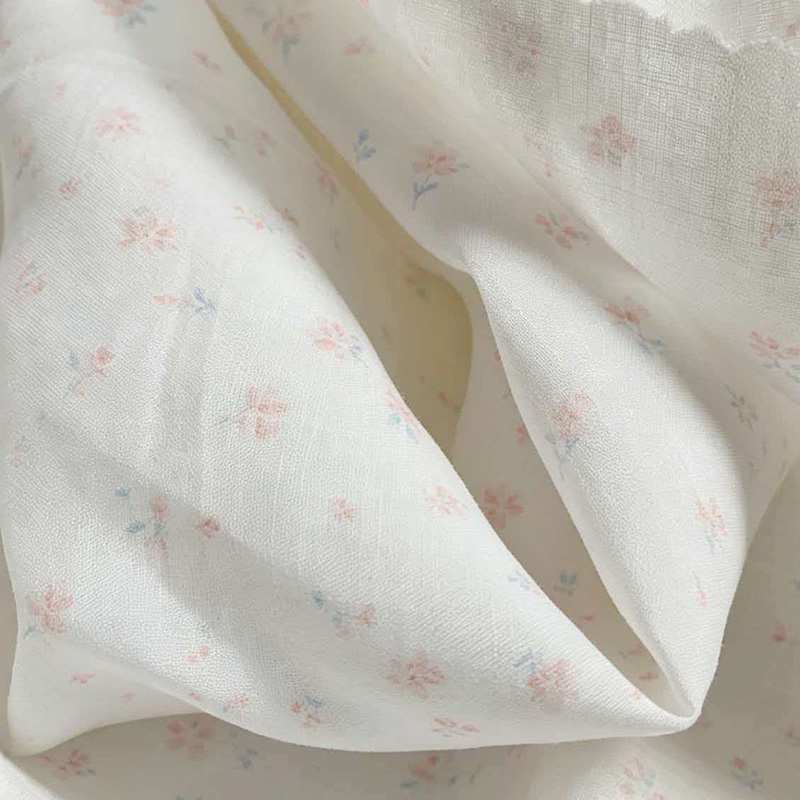
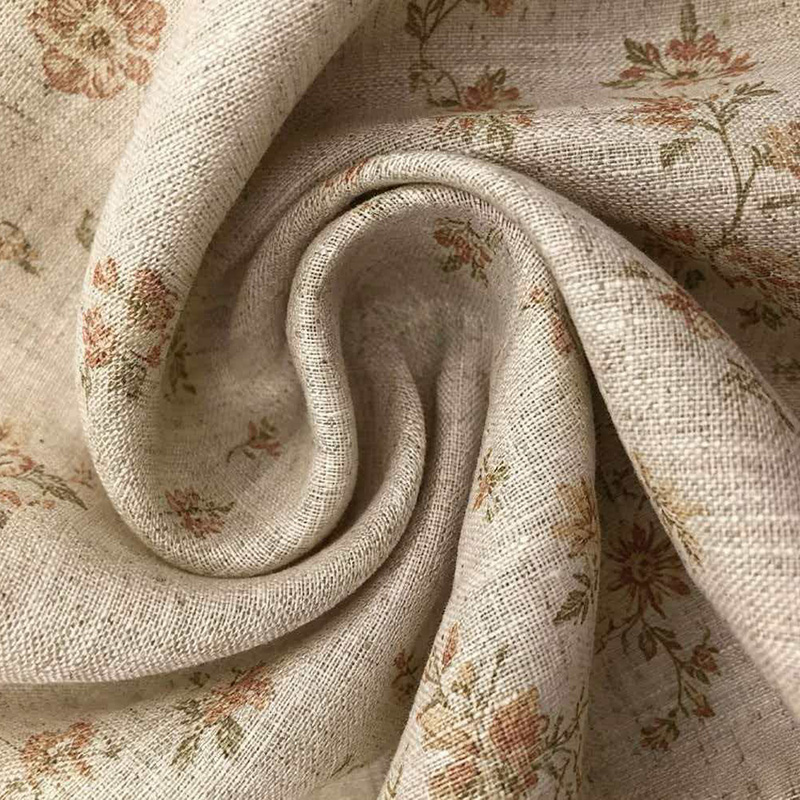
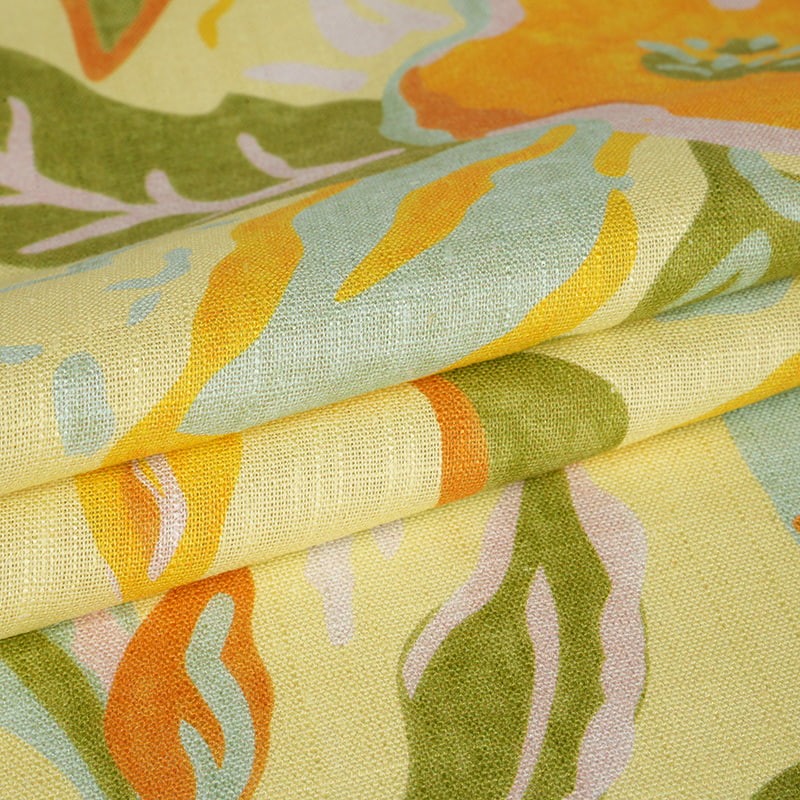
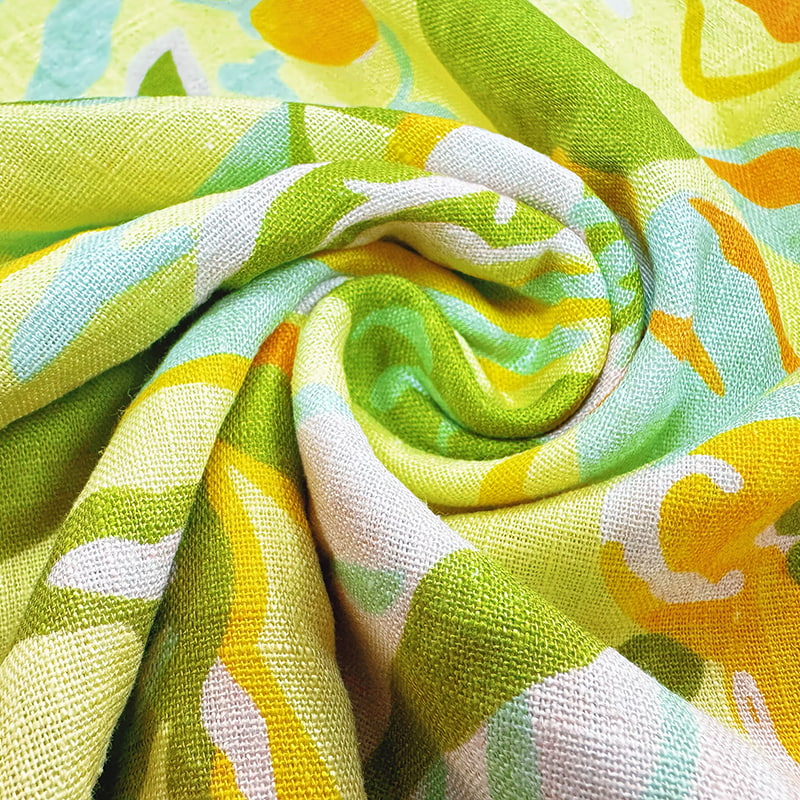
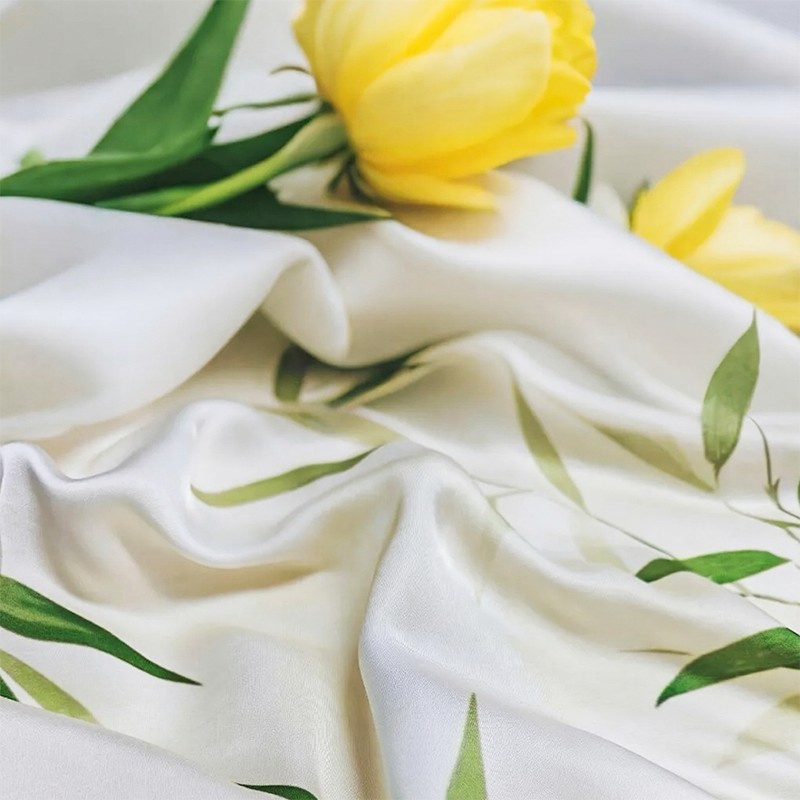
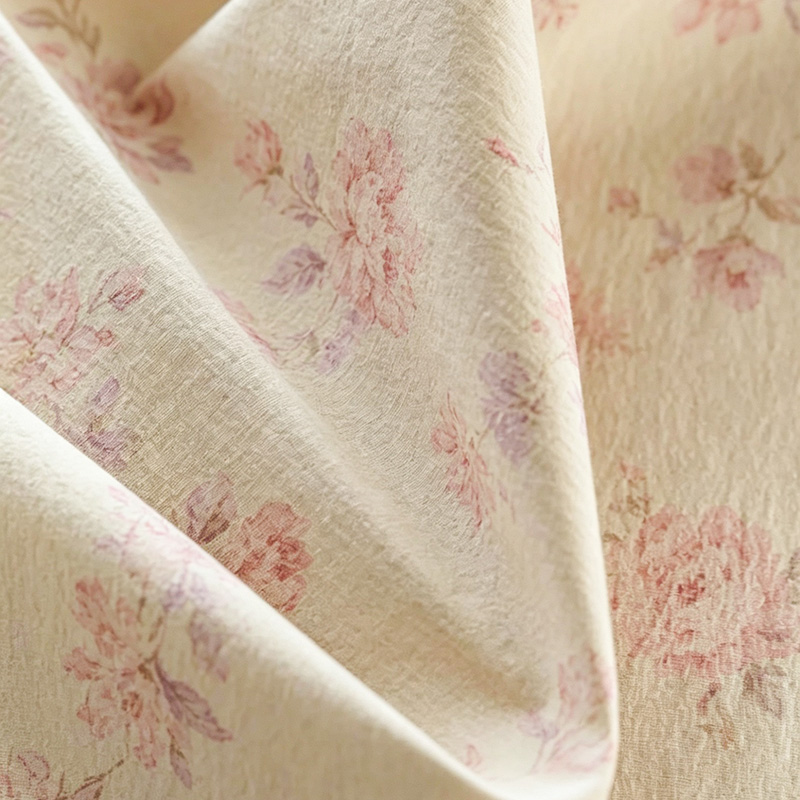
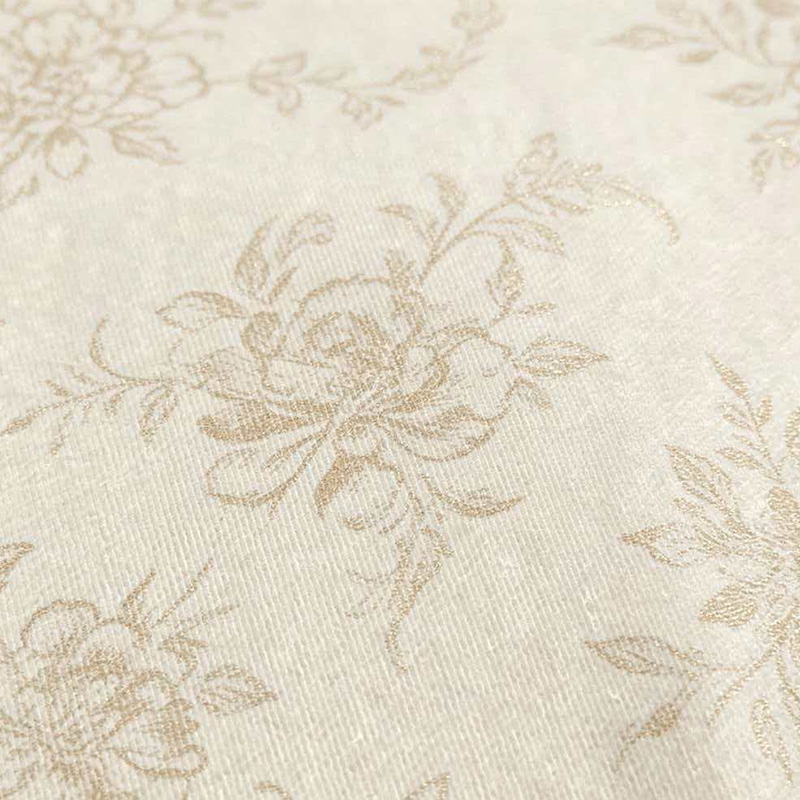
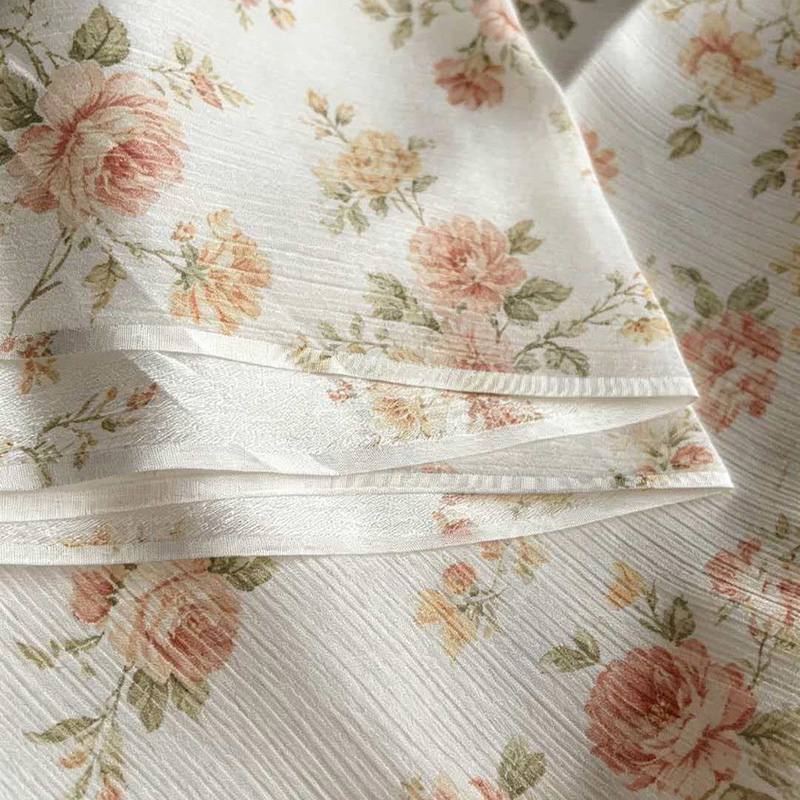
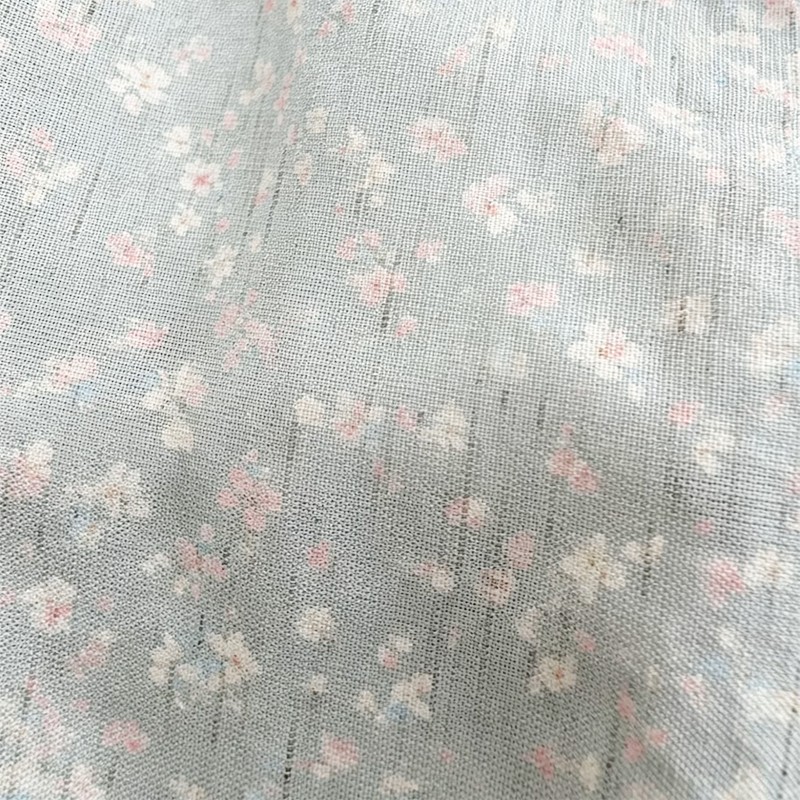
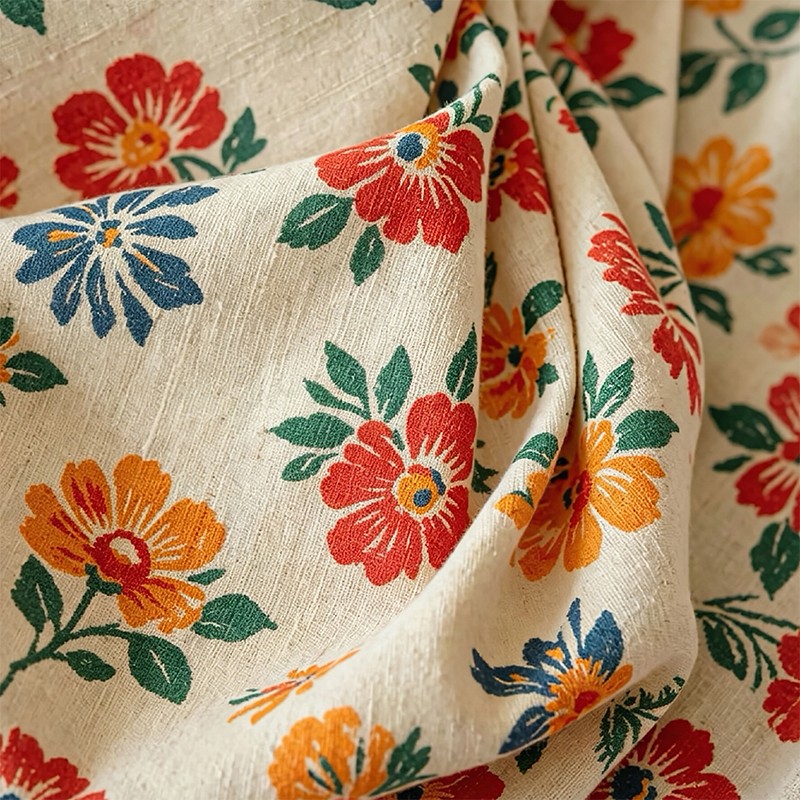
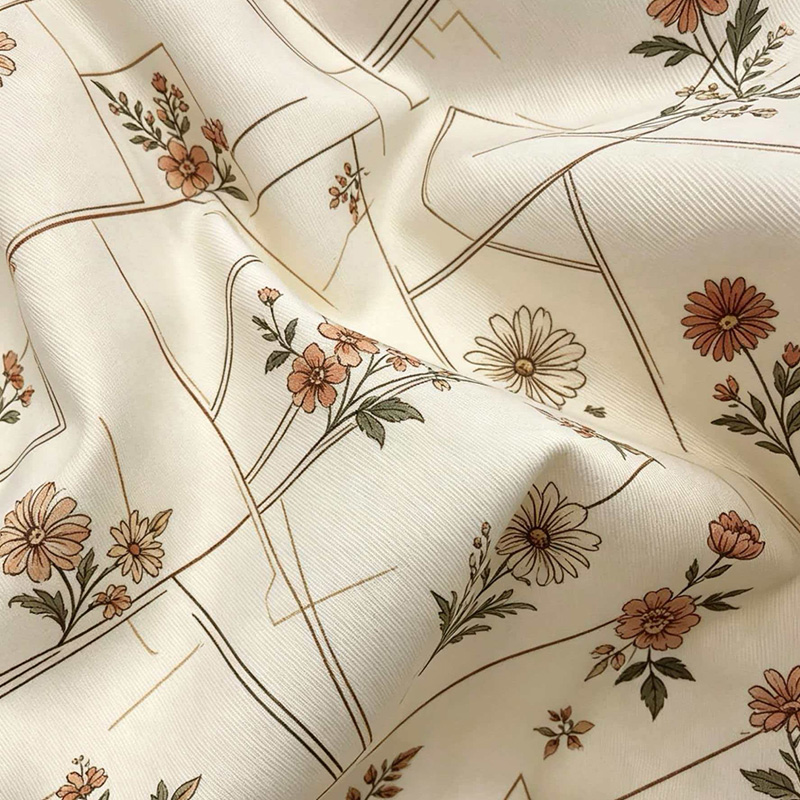
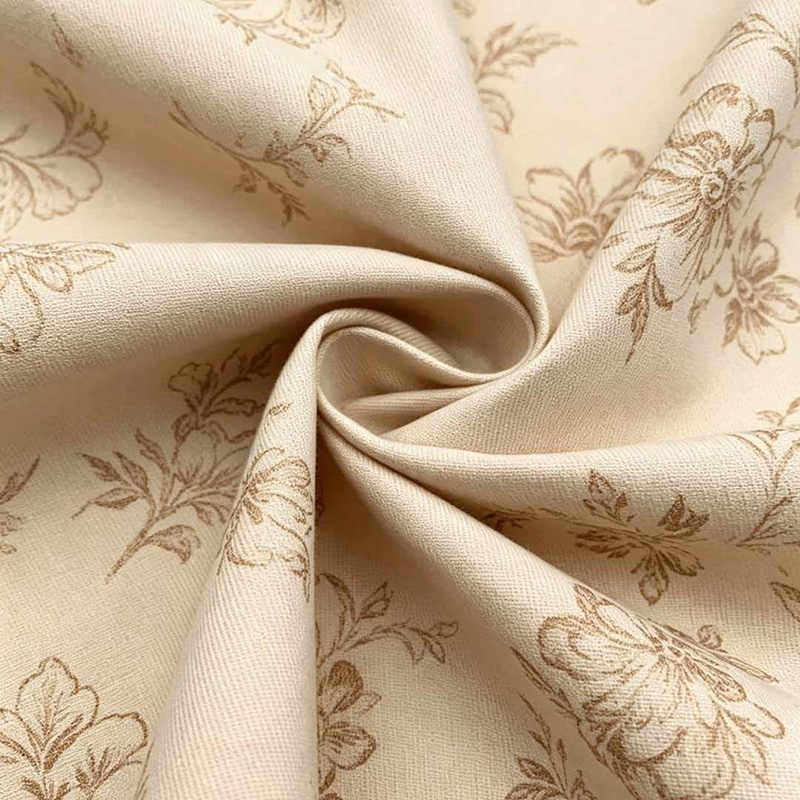
Soft Handfeel Digital Printed Viscose Fabric pairs a purpose-selected base fabric with a controlled printing route, aiming to close the gap between what a design file shows on screen and what actually lands on the finished roll. Built on a Viscose base and finished using Digital Inkjet Printing, this fabric is developed for buyers who need reliable color reproduction alongside a hand feel that suits real garments or finished textile items, not only a swatch card.
Understanding the base fiber. Viscose can be engineered into very different base cloths, from a lightweight crepe to a heavier twill, while keeping the same underlying fiber chemistry and dye behavior throughout. Because it originates from wood pulp rather than petroleum, viscose is often grouped with natural and regenerated fibers in sourcing documentation, provided the pulp itself comes from a traceable supply chain. Viscose, sometimes called rayon, is a regenerated cellulose fiber made from wood pulp, which gives it a soft, semi-lustrous surface that sits between cotton's matte hand and silk's high sheen.
How digital inkjet printing works on this cloth. Print resolution on a well-tuned digital inkjet system commonly reaches 1440 dpi or higher, giving fine linework, small text, and delicate tonal shading a level of definition that is difficult to achieve through paste-based screen printing. After printing, the cloth still passes through steaming, washing, and fixation stages so the dye bonds properly into the fiber, meaning digital printing changes how color is applied but not the downstream finishing steps needed for durability.
Soft Handfeel is one of the defining qualities of this line. A dedicated softening finish is applied after printing and fixation so the printed cloth keeps a gentle, almost fluid touch against the skin rather than the slightly stiffer hand that some printed viscose can develop. This finish is chosen to preserve drape rather than add bulk or weight to the fabric.
Performance and testing. Every roll that leaves the line is checked against a standard set of performance benchmarks: colorfastness to rubbing in both dry and wet conditions, colorfastness to washing, and colorfastness to light exposure, each evaluated against the normal expectations for the fiber in question rather than a single blanket standard applied across every material. Within the normal range expected of viscose, this line targets dependable colorfastness to rubbing, washing, and light rather than the bare minimum a certificate would require.
Sourcing flexibility. Because pattern files are stored and handled digitally rather than tied to physical screens, buyers can request a new colorway, an adjusted repeat scale, or fully custom artwork without committing to the large production volumes that screen tooling would otherwise require.
In practice, this shows up as a small brand testing three or four colorways of a single design before committing to a production run, then reordering the winning colorway at volume once sell-through data comes back from the first batch.
Quality control. Quality control on this line runs at three checkpoints rather than one: the greige base cloth is inspected before it ever reaches the printing stage, the printed roll is checked immediately after fixation and washing, and a final inspection covers packing, roll length, and shade consistency against the approved standard before the order ships.
The goal throughout is a fabric that a designer can trust to reproduce a pattern faithfully and a buyer can trust to perform predictably in production, without surprises between the sample stage and the bulk shipment.
Specification
| Material Composition | Viscose (blended or modified options available on request) |
| Fabric Weight | 80 to 160 GSM, customizable to order |
| Fabric Width | 44 to 63 inches (112 to 160 cm) |
| Weave Type | Plain or twill weave, other constructions available |
| Printing Technology | Digital Inkjet Printing with reactive or disperse dye, high resolution up to 1440 dpi |
| Color Gamut | Unlimited colors and gradients, supports Pantone color matching |
| Pattern Repeat | Custom repeat size, no limitation from screen size |
| Colorfastness | Rubbing (dry and wet), washing, and light fastness tested to standard benchmarks |
| Finish | Soft hand finish as standard, options for anti-wrinkle or matte finish |
| Roll Length | Approximately 40 to 60 meters per roll, subject to weight and width |
| Shrinkage | Within 3 to 5 percent after washing, in line with typical fiber behavior |
Application
Soft Handfeel Digital Printed Viscose Fabric is built around its soft handfeel. A dedicated softening finish is applied after printing and fixation so the printed cloth keeps a gentle, almost fluid touch against the skin rather than the slightly stiffer hand that some printed viscose can develop.
- Private label programs - a stable base specification that a brand can build a recurring seasonal print program around
- Womenswear - dresses, blouses, skirts, and kimonos where fluid movement and print detail both matter
- Home textiles - curtains, cushion covers, table linens, and bedding accents with a distinctive printed motif
- Fashion accessories - scarves, bags, and small decorative items that call for a printable, well-finished cloth
Because pattern files are digital, buyers can move from concept sketch to finished sample in a short window, useful for fast fashion cycles, limited editions, and private label programs.
Advantage
Choosing soft handfeel digital printed viscose fabric brings a combination of visual, practical, and production benefits that are difficult to match with generic stock fabric.
- High resolution reproduction - printheads resolve fine linework and small repeat detail that paste-based printing tends to soften
- Consistent repeat printing - the same digital file reproduces identical color and placement across every roll and every reorder
- Lower per-design environmental footprint - ink is deposited only where the pattern calls for it, cutting waste versus screen washing
- Soft Handfeel - A dedicated softening finish is applied after printing and fixation so the printed cloth keeps a gentle, almost fluid touch against the skin rather than the slightly stiffer hand that some printed viscose can develop.
- Low minimum quantities - suitable for small brands, private label projects, and test orders
- Custom colorways on demand - the same base artwork can be recolored for different markets or seasons
Together, these advantages make it easier for brands to differentiate their collections while keeping development risk and lead time under control.
Payment and Shipping
We aim to make ordering straightforward for both sample orders and bulk production, with terms that scale from small trial quantities up to full container loads.
Payment Terms
- Bank wire (T/T) with a partial deposit upfront and the remainder settled before goods leave the mill
- Letter of credit at sight accepted for larger, fully confirmed purchase orders
- Card payment or PayPal for sample and trial yardage orders
- Platform-based trade assurance or escrow payment for buyers who prefer it
Shipping Options
- Ocean freight, full or shared container, for larger bulk orders where cost per meter matters most
- Air cargo when a shipment is time-sensitive and needs to move faster than sea freight allows
- International courier service for sample rolls and small trial cuts
- FOB, CIF, and EXW terms all supported, adjusted to the buyer's preferred arrangement
Exact lead time depends on order quantity, print complexity, and finishing requirements; see the summary information table below for standard guidance.
ABOUT OUR COMPANY
Professional Manufacturer of Printed Fabrics
-
10,000,000
Annual Production
Capacity(meter)
Factory using the latest printing technology and equipment, to ensure product delivery in a timely manner.
-
180+
Factory Workers
Each production link has deep control to ensure product quality.
-
150+
Served Domestic and Foreign Customers
Our high quality products, from the customer's trust.
WHY CHOOSE US
Provide Excellent Service at
Every Stage of Fabric Production
Comprehensive printing technology
We have a comprehensive printing process to meet the needs of different customers.
High-speed digital direct injection
Heat transfer printing
Professional Color Management
ICC color correction is used to ensure that the screen design and proofing are highly consistent with the bulk color.
Full-process color management system
Professional ICC color management
Fabric Consulting Service
According to your product needs, accurately match the best fabric and printing process combination.
Professional guidance, accurate decision-making
Reduce cost and increase efficiency, avoid risk
Innovation Research & Development
Track global patterns and color trends to provide customers with forward-looking design inspiration.
Technology-driven product innovations
Trends define the future
Flexible Production
Flexible to undertake orders of various sizes, support on-demand production.
On-demand customization, flexible supply
Agile response, small single fast reaction
Summary Information Key Data
| MOQ | 250 meters per design (sample yardage available below MOQ upon request) |
| Lead Time | Sample yardage typically ships within a week; bulk production runs 15 to 25 days depending on order size and finishing steps |
| Packaging | Standard export packing rolls the cloth onto a tube, wraps it against moisture, and finishes in cartons or woven export bags |
| Certifications | OEKO-TEX Standard 100 available; other certifications provided on request |
| Raw Materials | Viscose, sourced from qualified fiber and yarn suppliers, with particular attention to its soft handfeel |
| Customization Options | Buyers can customize the pattern, color palette, weight, width, surface finish, and packaging/labeling |
Wholesale Pricing Tiers
Competitive wholesale pricing structured to support your production scale. All prices are FOB (Shanghai / Ningbo) and subject to final confirmation based on design complexity, color count, and finishing requirements.
| Order Volume |
500 – 999 meters |
1,000 – 2,999 meters |
3,000 – 4,999 meters |
5,000+ meters |
| Price per meter (USD) |
$5.64 – $6.14 |
$5.14 – $5.54 |
$4.64 – $5.04 |
$4.04 – $4.44 |
| Sample Deduction |
Sample cost deducted from final invoice |
Sample cost deducted from final invoice |
Sample cost deducted + complimentary 5m extra |
Free samples + complimentary 10m extra |
| Lead Time |
18 – 22 days |
15 – 20 days |
14 – 18 days |
12 – 16 days |
* Pricing varies by design complexity and finishing. Contact our sales team for a firm quote based on your artwork and specifications.
Customization Capabilities
The specification below is a starting point rather than a fixed package, and each element can be adjusted independently to fit a particular collection. On this viscose line specifically, the soft handfeel is one of the first specifications buyers ask to adjust, alongside the options below.
Design & Pattern
- Custom artwork – accept AI, EPS, PDF, PSD, or high-resolution JPEG/PNG files
- Unlimited color palettes – no restriction on number of colors per design
- Gradients and photorealistic detail – full tonal range and shading supported
- Pantone matching – color matching available for brand-specific palettes
Material & Construction
- Base fiber – Viscose, with blended or modified options on request
- Fabric weight – 80 to 160 GSM, adjustable to your requirement
- Fabric width – 44 to 63 inches (112 to 160 cm)
- Certified materials – OEKO-TEX Standard 100 and other certifications available
Finish & Treatment
- Standard soft finish – prioritizes comfort and natural drape
- Crease-resistant treatment – holds a cleaner look through handling and wear
- Low-sheen matte option – softens surface shine where a flatter look is wanted
- Anti-static or anti-pilling add-ons – available for goods needing extra durability
Packaging & Labeling
- Private-label roll packaging – headers and labels carrying your branding
- Marked or branded cores – available in specific colors or with printing
- Moisture-barrier wrapping – included as the export packing default
- Swing tags to spec – produced according to your brand's design files
* Minimum order quantities and lead times for customized specifications may vary. Please consult our technical team for feasibility and timeline confirmation.
Sample Policy
We believe in letting you evaluate fabric and print quality before committing to production. Our sample policy is designed to be buyer-friendly while keeping production resources used efficiently.
Standard Samples (Stock Designs)
- Cut length – 1 to 5 meters per stock design
- Turnaround – 3 to 5 business days from request
- Cost – No charge for the fabric, buyer covers shipping
- Bulk credit – Sample value credited against the first production invoice
Custom Samples (Strike-Off)
- Sample yardage – 1 to 3 meters of your custom artwork on actual base cloth
- Lead time – 5 to 7 business days (after artwork approval)
- Sample cost – $50 – $150 per design depending on complexity
- Deduction – 100% of sample cost deducted from first bulk order invoice
Important Notes for Sample Orders
- File requirements – 300 dpi, CMYK, print-ready files with the repeat clearly marked
- Proofing – a digital color proof is shared before the physical strike-off is produced
- Adjustments – two rounds of color or scale changes are covered within the sample fee
- Refund path – the sample fee is credited back once a 1,000+ meter bulk order is confirmed within 60 days
* All sample orders are subject to production capacity. Expedited sample service (2–3 days) is available for an additional fee.
Because soft handfeel is central to this line, sample cutting also checks for it specifically: A dedicated softening finish is applied after printing and fixation so the printed cloth keeps a gentle, almost fluid touch against the skin rather than the slightly stiffer hand that some printed viscose can develop.
Printing Process Comparison
Understanding how digital inkjet printing compares with the alternative printing route helps explain why this fabric fits its target production well.
| Comparison Item | Digital Inkjet Printing | Traditional Screen / Reactive Printing |
| Setup Requirement | No screens needed, prints directly from digital file | Requires a separate screen or fixation batch for each color/run |
| Minimum Order Quantity | Low, suitable for small and sample runs | Higher, batch processing favors larger volumes |
| Sampling Time | Fast, typically a few days | Slower, screen or batch preparation adds time |
| Color Limitation | Unlimited colors and gradients in one design | Limited by screens or color-mix batches used |
| Pattern Complexity | Handles fine detail, photorealistic and gradient artwork easily | Best suited to simpler, flat color designs |
In short, digital inkjet printing trades some of the per-meter cost efficiency of very large, simple designs for far greater flexibility and turnaround speed on viscose.
Sustainability
Digital Inkjet Printing is, by its nature, a resource-conscious way to add color and pattern to fabric, since dye is applied only where the design calls for it, reducing waste compared with less targeted processes.
The base fiber, Viscose, is selected and finished with process control in mind. Because it originates from wood pulp rather than petroleum, viscose is often grouped with natural and regenerated fibers in sourcing documentation, provided the pulp itself comes from a traceable supply chain. A dedicated softening finish is applied after printing and fixation so the printed cloth keeps a gentle, almost fluid touch against the skin rather than the slightly stiffer hand that some printed viscose can develop.
For buyers with compliance needs, OEKO-TEX Standard 100 certified fabric and relevant test documentation can be discussed on a per-order basis.
Custom Development Process
Bringing a custom printed fabric from concept to finished roll follows a clear, predictable sequence.
- Step 1, Design Submission - share your artwork file or describe the pattern, colors, and repeat size you have in mind
- Step 2, Digital Proofing - a digital proof is prepared so colors and layout can be reviewed on screen
- Step 3, Strike Off Sample - a small physical print sample is produced on the actual base cloth
- Step 4, Sample Review - fine tune color matching, pattern scale, or repeat placement
- Step 5, Bulk Production - once the sample is approved, the confirmed design moves into full production
- Step 6, Quality Inspection - finished rolls are checked for color accuracy and fabric quality before packing
- Step 7, Packing and Shipping - fabric is rolled, protected, and packed for the shipping method selected
Industry Applications
Different industries draw on soft handfeel digital printed viscose fabric for different reasons, but the common thread is the need for a printable cloth that also performs as a finished textile.
Fashion and Apparel Brands
Used for dresses, blouses, and lifestyle apparel that need an exclusive print not available from stock fabric catalogs, with the flexibility to test a design in a small run before scaling up.
Home Textile and Décor
Applied to curtains, cushion covers, and table linens where a well-behaved base cloth and a coordinated pattern add character to interior collections.
Hospitality and Gifting
Suited to custom decorative textiles and gift items that want a signature pattern aligned with a brand or cultural theme.
Quality Testing Standards
Every printed batch is checked against a consistent set of test items, so buyers know what performance level to expect from viscose.
| Test Item | Reference Standard |
| Colorfastness to Rubbing (Dry and Wet) | ISO 105-X12 or AATCC 8 |
| Colorfastness to Washing | ISO 105-C06 or AATCC 61 |
| Colorfastness to Light | ISO 105-B02 |
| Dimensional Shrinkage | ISO 5077 or AATCC 135 |
| Tensile Strength | ISO 13934-1 or ASTM D5034 |
| pH Value | ISO 3071 |
| Formaldehyde Content | ISO 14184-1 |
Test reports for the standards above can be provided on request, with additional testing arranged for specific regional compliance requirements.
Fabric Variant Comparison
The base specification for Viscose can be adjusted along a few key dimensions to suit different end uses. The fluid, silk-like drape that viscose is known for comes from the fiber's smooth, rounded cross-section, which lets yarns move against one another with less friction than a coarser natural fiber. A dedicated softening finish is applied after printing and fixation so the printed cloth keeps a gentle, almost fluid touch against the skin rather than the slightly stiffer hand that some printed viscose can develop.
| Variant | Typical Weight | Best Suited For |
| Standard Viscose, Plain Construction | 80 to 160 GSM | General apparel, scarves, and light home textile items |
| Viscose with Stretch Blend | 80 to 160 GSM | Fitted garments needing added stretch and recovery |
| Viscose, Textured Weave | 80 to 160 GSM | Pieces where a subtle textured surface adds interest |
| Heavyweight Viscose | 80 to 160 GSM | Curtains, cushion covers, and structured home textile items |
FAQ
- Q: What is Soft Handfeel Digital Printed Viscose Fabric?
A: It is a viscose base cloth printed using digital inkjet printing, allowing unlimited colors, fine detail, and gradient artwork to be reproduced directly onto the fabric surface.
- Q: What does "Soft Handfeel" mean for this fabric?
A: A dedicated softening finish is applied after printing and fixation so the printed cloth keeps a gentle, almost fluid touch against the skin rather than the slightly stiffer hand that some printed viscose can develop. This finish is chosen to preserve drape rather than add bulk or weight to the fabric.
- Q: What is the minimum order quantity?
A: Minimum order quantity varies by pattern complexity and fabric weight. Sample and small trial quantities are available, and details are listed in the summary information table.
- Q: Can I use my own custom design or artwork?
A: Yes, custom artwork is welcome. Our team checks the file for color accuracy and repeat alignment and flags anything that needs adjusting before it goes to print.
- Q: What fabric weights and widths are available?
A: Standard specification sits around 80 to 160 GSM at a width of 44 to 63 inches (112 to 160 cm); other combinations are available if your project calls for it.
- Q: Is the fabric colorfast?
A: Yes, the fabric goes through steaming, washing, and fixation after printing, and is tested for rubbing, washing, and light fastness in line with standard benchmarks.
- Q: How long does production take after the design is confirmed?
A: Lead time scales with order size and how complex the pattern is; see the summary information table for general guidance, and ask about expedited options if timing is tight.
- Q: Do you provide free samples before bulk order?
A: Sample yardage can be provided so hand feel, print clarity, and color accuracy can all be checked before a bulk commitment.
- Q: Can I order different colorways of the same print?
A: Yes, since the pattern is stored digitally, the same design can be recolored for different colorways without needing new screens or tooling.


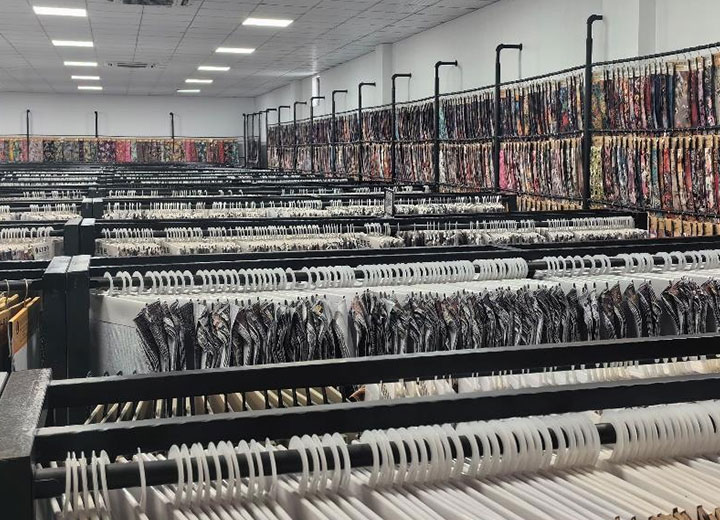


 Wholesale Soft Handfeel Digital Printed Viscose Fabric Manufacturers
 English
 中文简体
中文简体 Español
 عربى
عربى