2026.08.14
 Industry News
Content
Materials & Manufacturing — Textile Series
A closer look at what really happens to color after the first wash — and why the answer changes depending on the fiber underneath it.
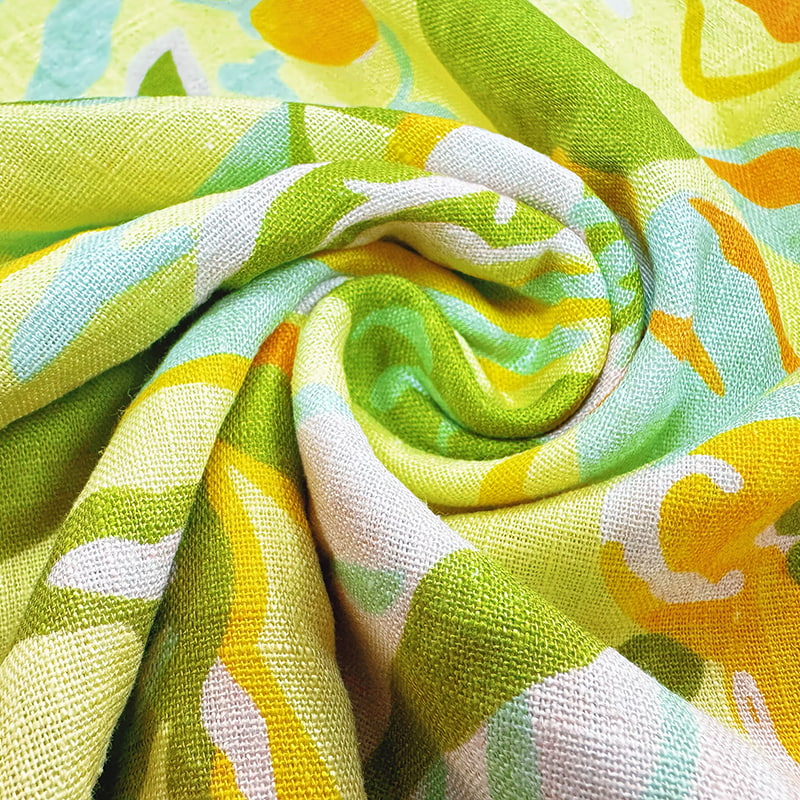
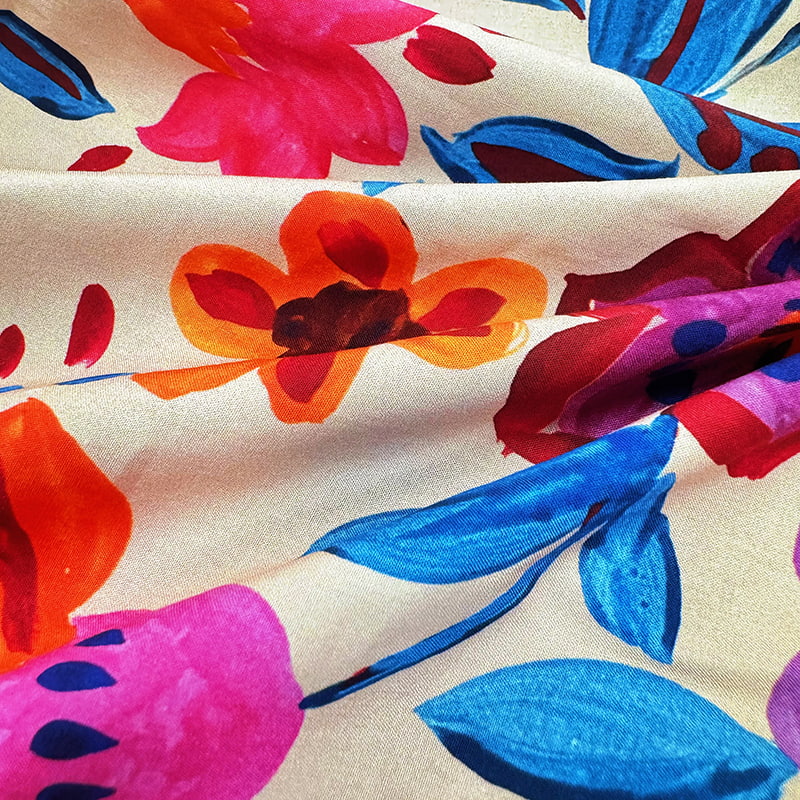
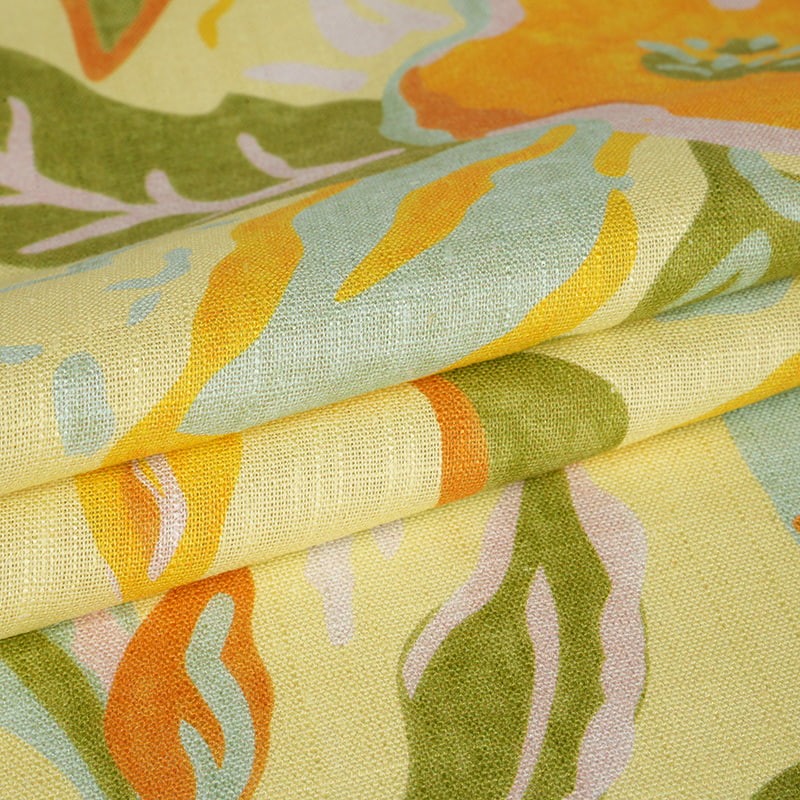
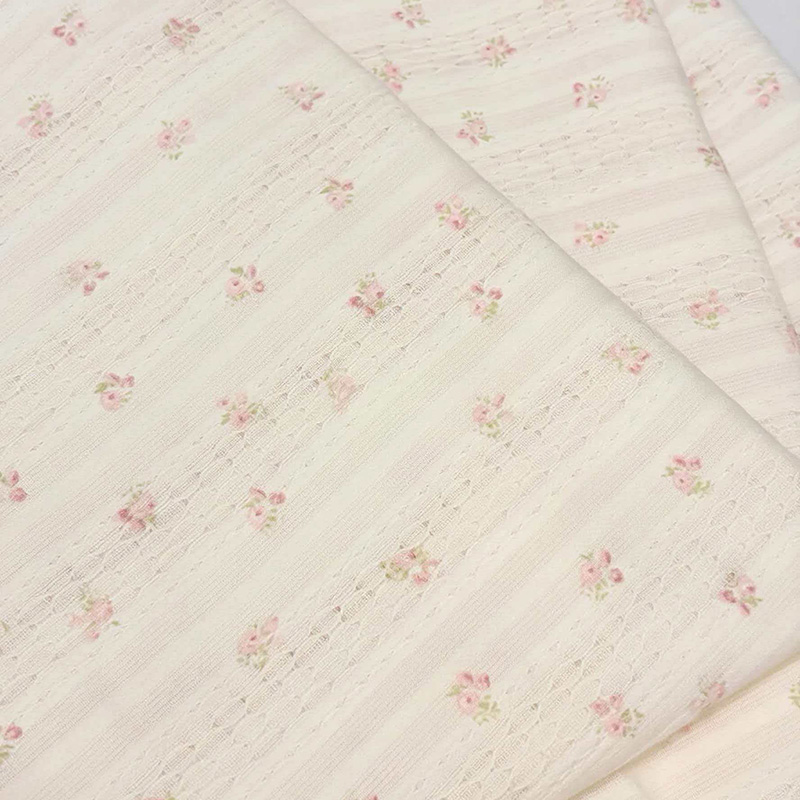
Digital Printing Fabric generally offers better colorfastness and washability than Cotton Canvas Fabric when the printed material is properly heat-set or cured, because most digital textile printing processes bond pigment or dye directly into synthetic or blended fibers rather than sitting on top of a natural fiber surface. Cotton Canvas Fabric, by contrast, tends to lose surface-level pigment faster under repeated washing, especially when printed using traditional screen or pigment methods rather than digital textile fabric printing techniques. For buyers sourcing printed textiles for apparel, home décor, or promotional products, this difference in washability directly affects product lifespan, return rates, and customer satisfaction.
That said, washability is not determined by the fabric type alone. Fiber composition, ink chemistry, curing process, and after-wash care instructions all play a role. This article breaks down exactly why Digital Printing Fabric tends to outperform Cotton Canvas Fabric in wash durability, where Cotton Canvas Fabric still holds an advantage, and what buyers should verify before placing a bulk order.
Washability is largely a function of how deeply ink penetrates and bonds with fiber. In digital textile printing, ink is applied through inkjet print heads directly onto the fabric surface, then fixed through heat, steam, or UV curing depending on the ink type used (reactive, acid, disperse, or pigment). This fixation process allows the color to penetrate the fiber structure rather than remain as a surface coating.
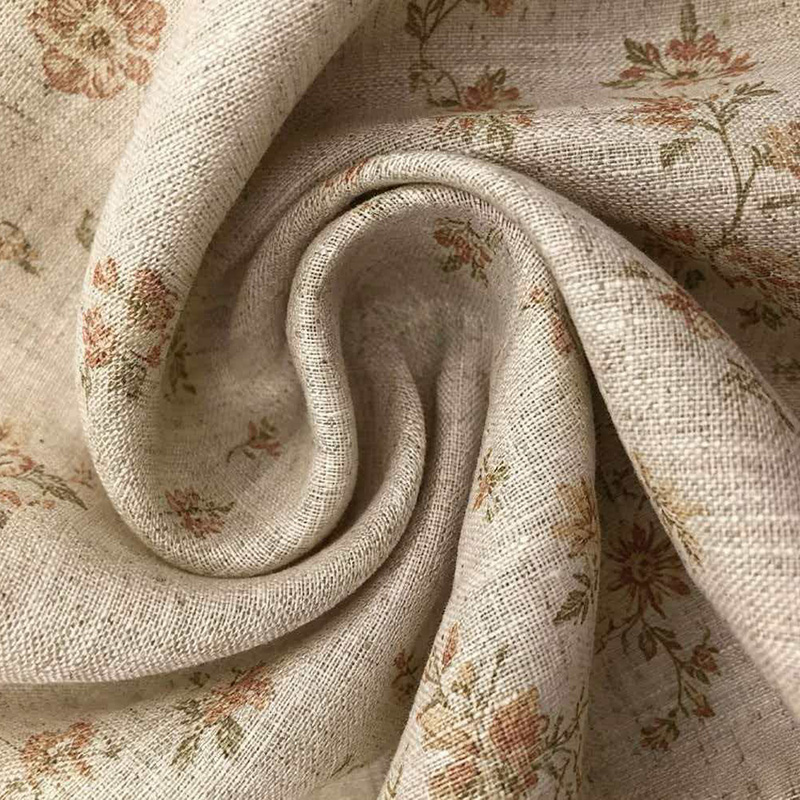
Cotton Canvas Fabric, being a thick, tightly woven natural fiber, absorbs ink differently. Its fibers are more porous and less uniform than synthetic fibers commonly used in digital textile fabric printing, such as polyester. This means pigment can sit closer to the surface, making it more prone to abrasion and fading during machine washing, especially with agitation and detergent exposure.
Polyester-based Digital Printing Fabric typically uses disperse dye sublimation, where the dye actually converts to gas under heat and bonds at a molecular level with the polymer fibers. This creates a wash resistance that is difficult to replicate on natural fibers. Cotton Canvas Fabric, when digitally printed with reactive dyes, can also achieve strong bonding, but it requires more precise curing and washing-off steps to remove unfixed dye, which adds cost and processing time.
Canvas has a heavier, more textured weave than most fabrics used in digital textile printing. While this texture gives Cotton Canvas Fabric excellent durability for structural use like bags or upholstery, it also creates uneven surface contact with ink, leading to micro-cracking of pigment along raised weave fibers after repeated flexing and washing.
Industry wash-fastness testing typically follows standards such as ISO 105-C06 or AATCC 61, which grade color change and staining on a scale from 1 (poor) to 5 (excellent) after a set number of laundering cycles. Based on common testing outcomes reported by textile mills and printing facilities, the following comparison reflects typical performance ranges rather than a single certified test result.
| Test Category | Digital Printing Fabric | Cotton Canvas Fabric |
|---|---|---|
| Color Fastness (20 washes) | Grade 4–5 | Grade 3–4 |
| Shrinkage Rate | 1%–3% | 3%–5% |
| Surface Abrasion Resistance | High | Moderate |
| Recommended Wash Cycles Before Noticeable Fade | 40–60 | 20–30 |
General wash-durability comparison based on typical textile mill testing conditions; results vary by ink type and curing method.
Digital Printing Fabric typically withstands roughly double the wash cycles before visible fading compared to Cotton Canvas Fabric, assuming both are printed and cured under standard commercial conditions.
Despite lower wash-fastness scores, Cotton Canvas Fabric is not inferior across the board. It offers several structural advantages that matter for specific end uses.
For buyers producing tote bags, aprons, or heavy-use home textiles where mechanical wear matters more than print retention, Cotton Canvas Fabric remains a reasonable choice — particularly when combined with reactive-dye digital textile fabric printing and a proper wash-off finishing stage.
Buyers evaluating suppliers should understand that washability outcomes are not fixed by fabric choice alone. Several production variables can shift results significantly in either direction.
Reactive dyes generally outperform pigment inks in wash durability on cotton-based substrates, while disperse dyes remain the standard for polyester-based digital textile printing. If a supplier skips proper steaming or heat-fixing steps to save time, wash-fastness will suffer regardless of the base fabric.
Fabrics intended for digital textile fabric printing are often pre-coated to help ink adhere evenly and prevent bleeding. Untreated or poorly treated fabric, whether canvas or synthetic, will show weaker wash performance even with high-quality ink.
Info
Water temperature, detergent strength, and whether the item is machine washed versus hand washed all affect longevity. Cold water washing with mild detergent can extend the effective life of printed color on both fabric types by a meaningful margin, often 15% to 25% longer compared to hot water washing with strong detergents.
When comparing Digital Printing Fabric to Cotton Canvas Fabric for a wash-heavy application such as apparel, bedding, or frequently laundered promotional items, buyers should request the following from suppliers before committing to a bulk order.
Warning
Skipping an in-house wash test before full production is one of the most common causes of costly reprints. A short 10-cycle test on a physical sample can reveal fixation problems that specification sheets alone will not show.
Success
For products where frequent washing is expected, such as printed t-shirts, activewear, or bedsheets, Digital Printing Fabric printed on polyester or polyester-blend substrates is typically the safer choice.
Danger
Assuming any printed fabric is machine-washable without checking the ink type and curing process risks premature fading, uneven color loss, and customer complaints — regardless of whether the base material is Digital Printing Fabric or Cotton Canvas Fabric.
For products prioritizing texture, structure, and natural fiber appeal over wash frequency, Cotton Canvas Fabric remains a solid option, provided the digital textile fabric printing process includes proper reactive-dye fixation.
Digital Printing Fabric generally holds up better to repeated washing than Cotton Canvas Fabric, mainly due to how dye bonds with synthetic fiber structures during digital textile printing versus how pigment sits on natural cotton fibers. However, the gap narrows significantly when Cotton Canvas Fabric is printed using reactive dyes with proper curing and wash-off procedures. Buyers should base their final decision on the specific end use, expected wash frequency, and verified test data from the supplier rather than fabric type alone.
 Wholesale Digital Printed Fabric Manufacturers
 English
 中文简体
中文简体 Español
 عربى
عربى